Systems for close air support
Close air support puts firepower on targets near friendly troops in contact, so the specs that matter are loiter time (endurance), low-speed weapons accuracy, and survivability against ground fire, not top speed. An aircraft that can stay overhead for hours and take small-arms hits is more valuable here than one built purely for speed.
100 matching systems in our database.
What matters for close air support
- ●Endurance: time on station directly above troops in contact, which is often more valuable than raw speed.
- ●Main armament and weapons payload: mixed gun, rocket and precision-guided munition loadouts for close-range engagement.
- ●Armor and countermeasures: survivability against small arms and man-portable air defense at low altitude.
- ●Sensor suite: EO/IR turrets and laser designators for positive target identification near friendly forces.
Close Air Support systems in our database
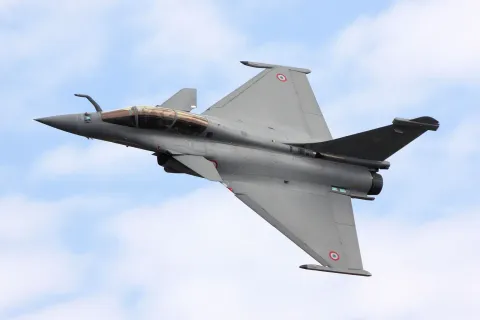
Dassault Aviation
Rafale F4
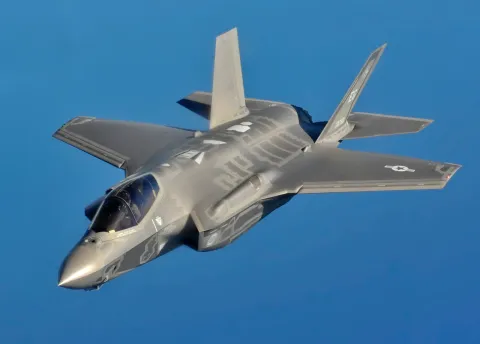
Lockheed Martin
F-35B Lightning II
Dassault Aviation
Rafale C
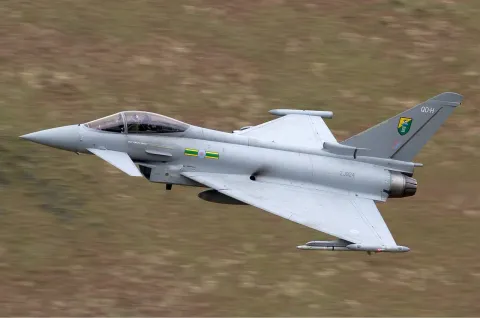
Eurofighter GmbH
Eurofighter Typhoon
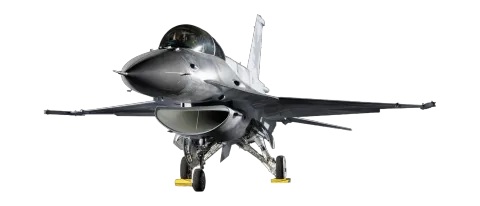
Lockheed Martin
F-16C Block 70/72 Fighting Falcon
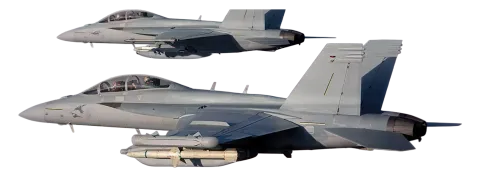
Boeing
F/A-18E/F Super Hornet
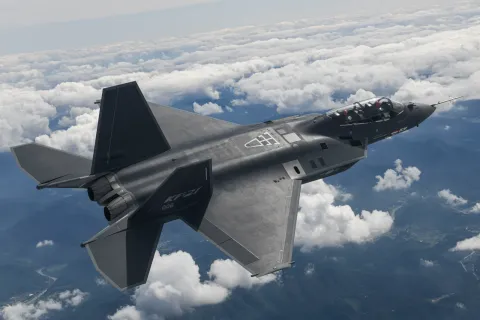
Korea Aerospace Industries (KAI)
KF-21 Boramae
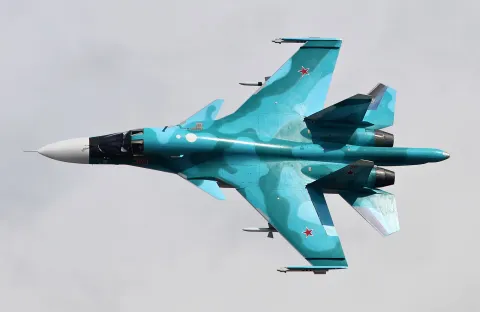
Sukhoi
Su-34
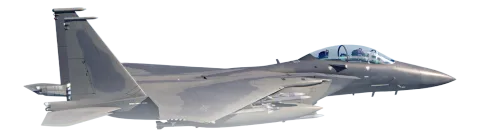
Boeing
F-15E Strike Eagle
Lockheed Martin
F-16C Block 52 Fighting Falcon
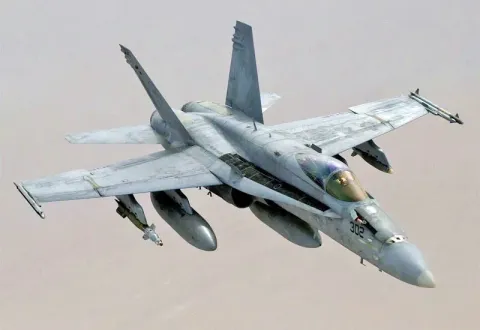
Boeing
F/A-18C Hornet
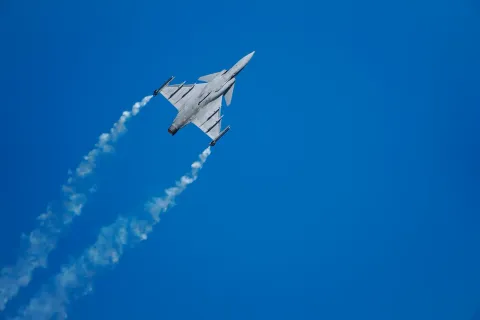
Saab AB
JAS 39E Gripen
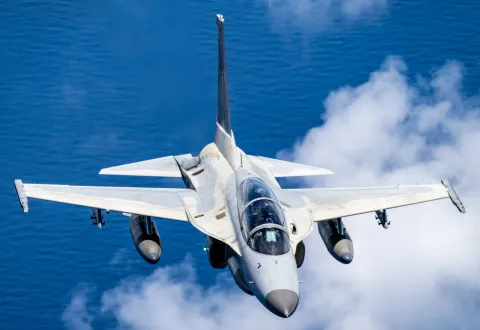
Korea Aerospace Industries (KAI)
FA-50 Golden Eagle
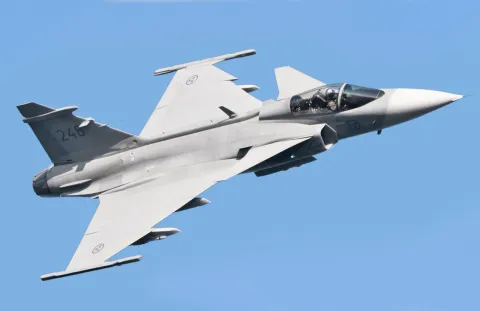
Saab AB
JAS 39C Gripen
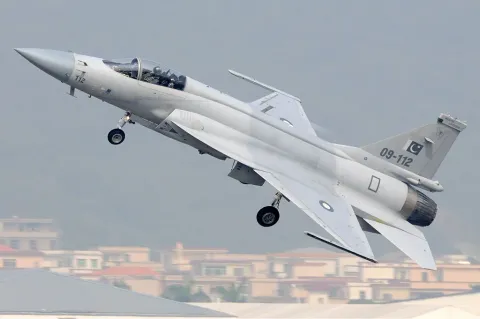
Pakistan Aeronautical Complex (PAC)
JF-17 Thunder
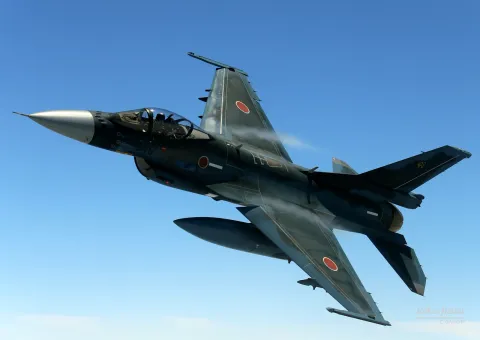
Mitsubishi Heavy Industries
Mitsubishi F-2
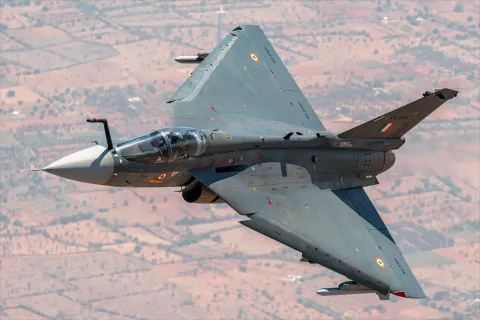
Hindustan Aeronautics Limited
Tejas Mk1A
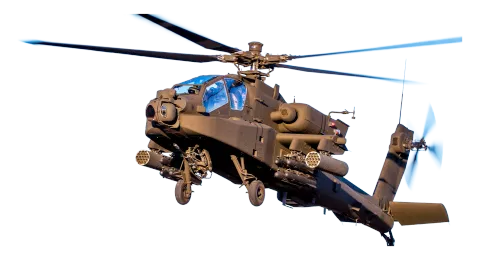
Boeing
AH-64D Apache Longbow
Boeing
AH-64E Apache Guardian
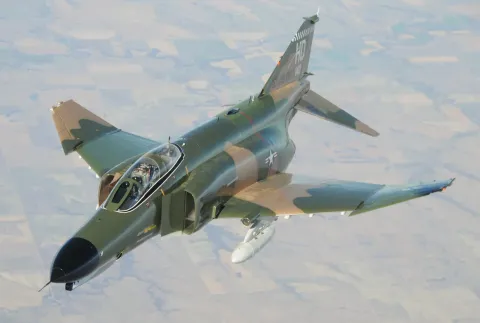
Boeing
F-4E Phantom II
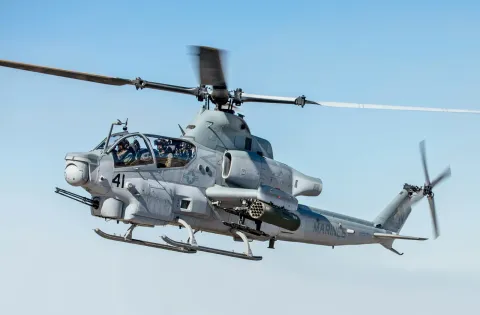
Bell
AH-1Z Viper
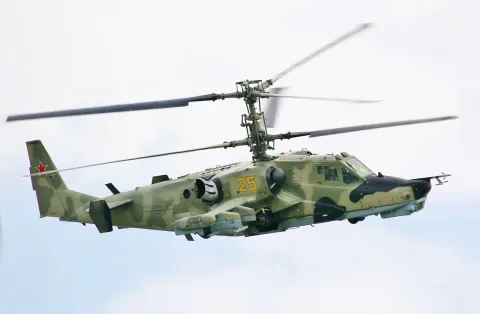
Russian Helicopters
Ka-52 Alligator
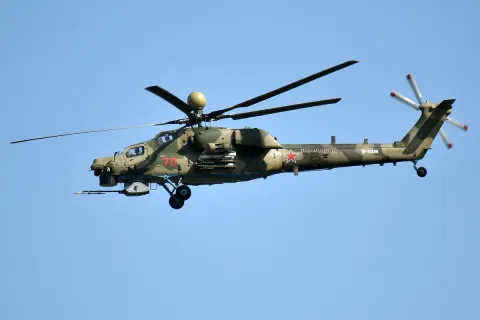
Russian Helicopters
Mi-28NM
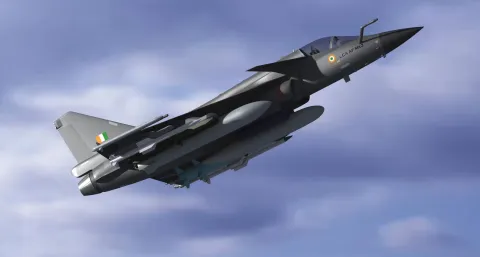
Hindustan Aeronautics Limited
Tejas Mk2
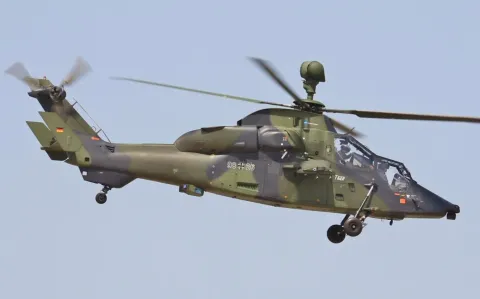
Airbus Helicopters
Tiger HAD
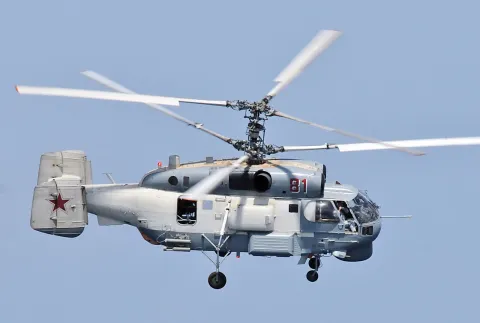
Russian Helicopters
Ka-29
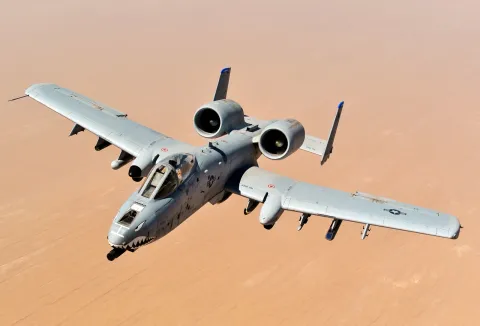
Boeing
A-10 Thunderbolt II
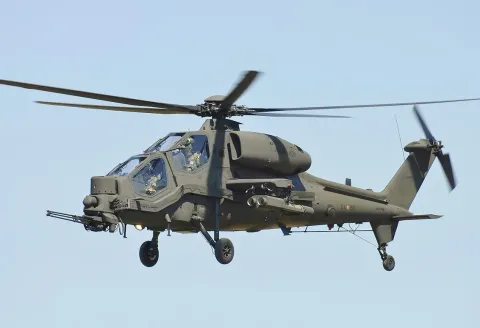
Leonardo
A129 Mangusta
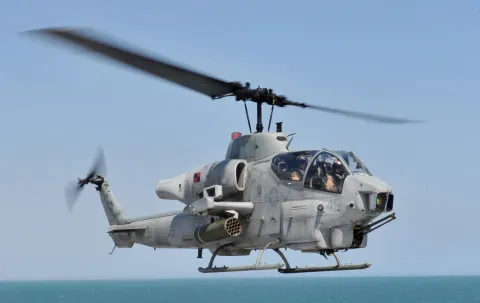
Bell
AH-1W Super Cobra
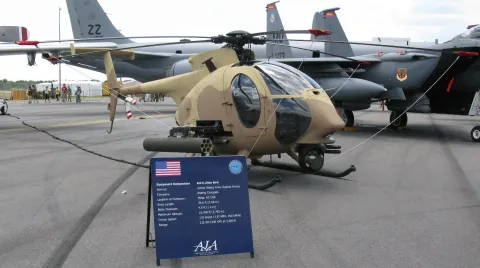
Boeing
AH-6 Little Bird
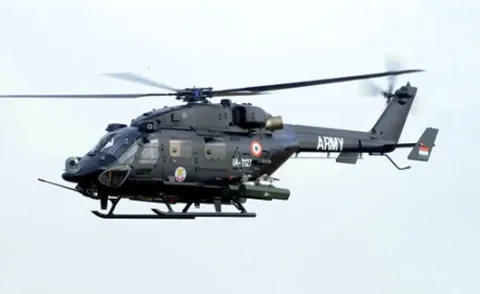
Hindustan Aeronautics Limited
HAL Rudra
Russian Helicopters
Ka-50 Black Shark
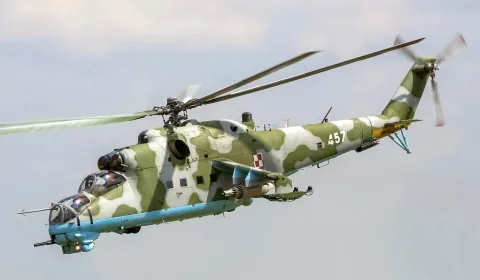
Russian Helicopters
Mi-24 Hind
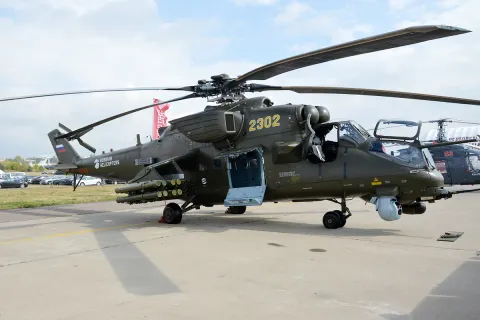
Russian Helicopters
Mi-35M
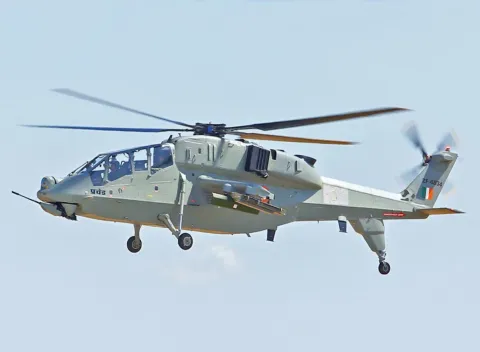
Hindustan Aeronautics Limited
HAL Prachand (LCH)
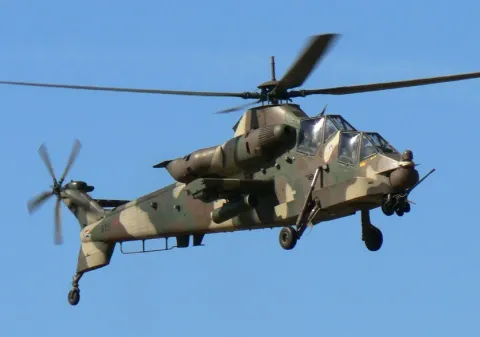
Denel Aviation
Denel AH-2 Rooivalk
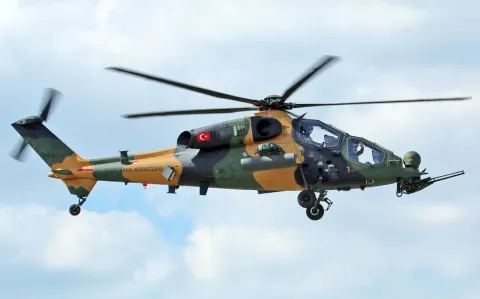
Turkish Aerospace Industries
T129 ATAK
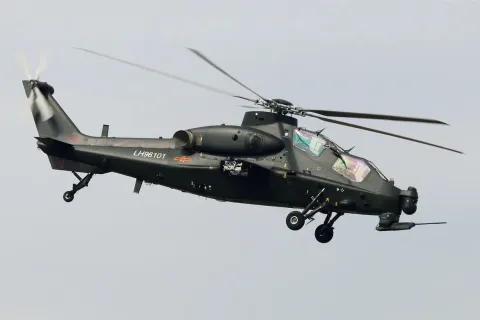
AVIC (Aviation Industry Corporation of China)
Z-10
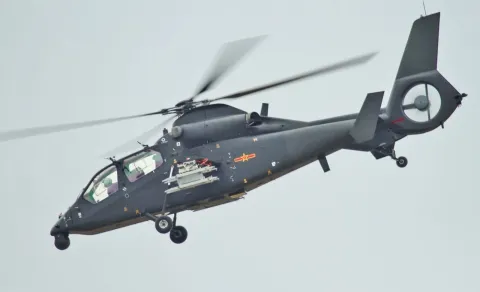
AVIC (Aviation Industry Corporation of China)
Harbin Z-19
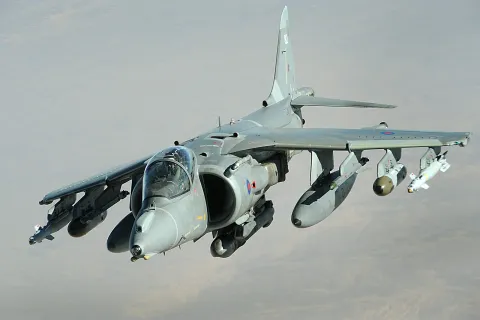
BAE Systems
Harrier GR9
Russian Helicopters
Mi-24P
Korea Aerospace Industries (KAI)
T-50 Golden Eagle
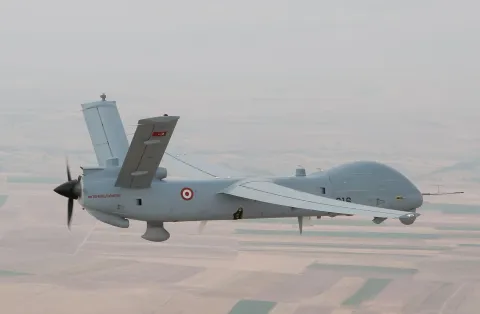
Turkish Aerospace Industries
ANKA-S
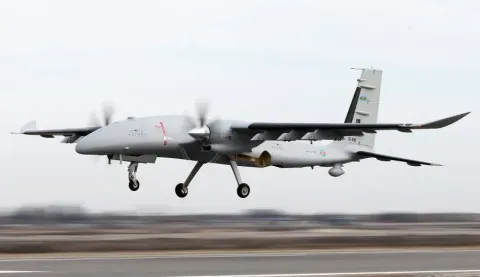
Baykar
Bayraktar Akinci
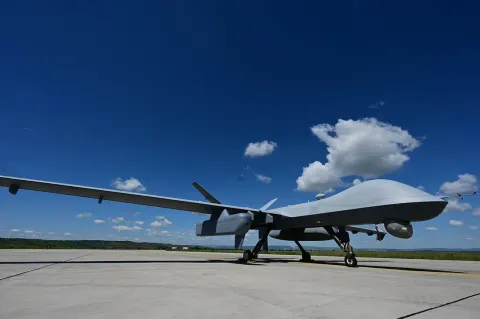
General Atomics Aeronautical Systems
MQ-9A Reaper
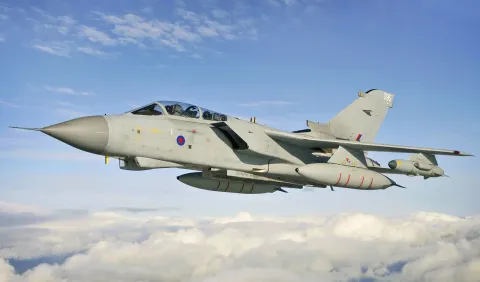
Panavia Aircraft GmbH
Tornado GR4
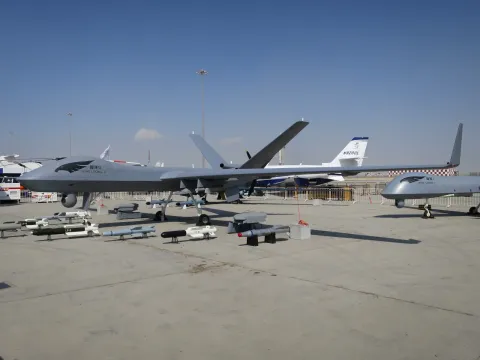
AVIC (Aviation Industry Corporation of China)
Wing Loong II
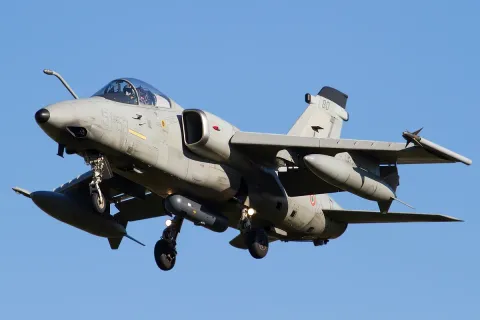
Leonardo
AMX Ghibli
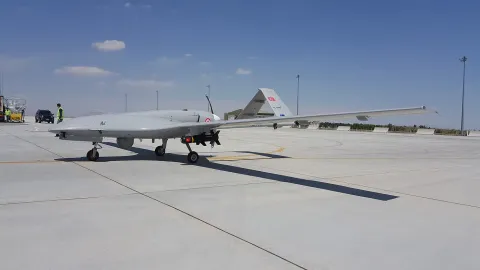
Baykar
Bayraktar TB2
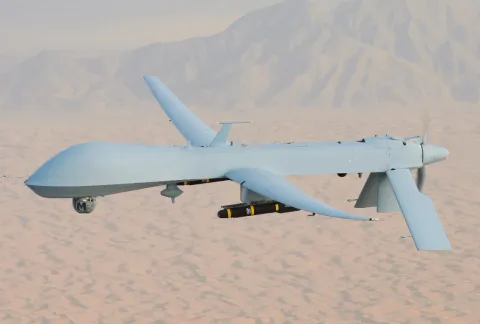
General Atomics Aeronautical Systems
MQ-1 Predator
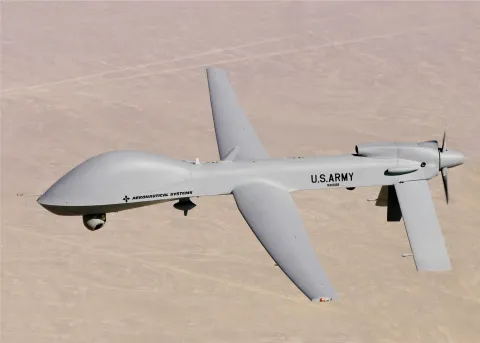
General Atomics Aeronautical Systems
MQ-1C Gray Eagle
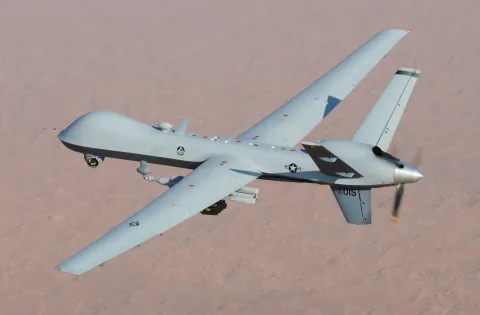
General Atomics Aeronautical Systems
MQ-9B SkyGuardian
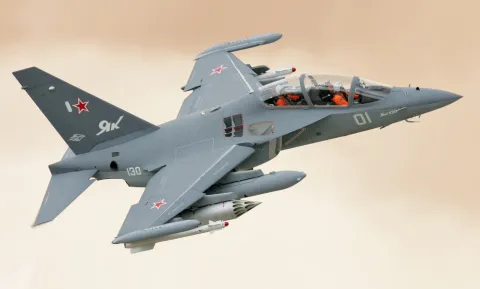
Yakovlev
Yak-130
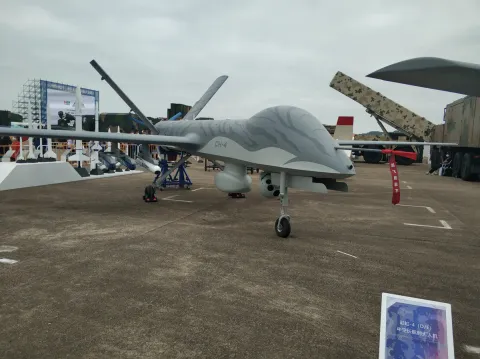
China Aerospace Science and Technology Corporation (CASC)
CH-4 (Caihong-4)
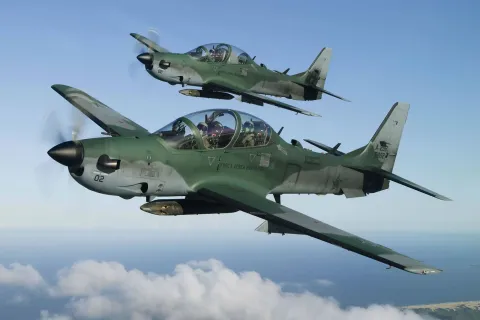
Embraer Defense & Security
A-29 Super Tucano
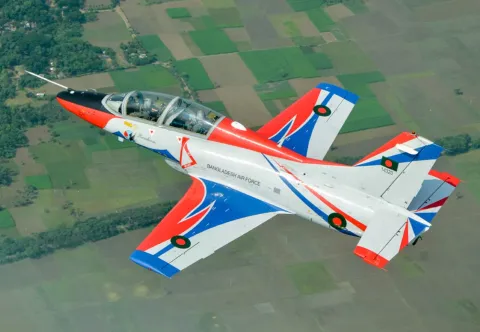
Hongdu Aviation Industry Group
JL-8
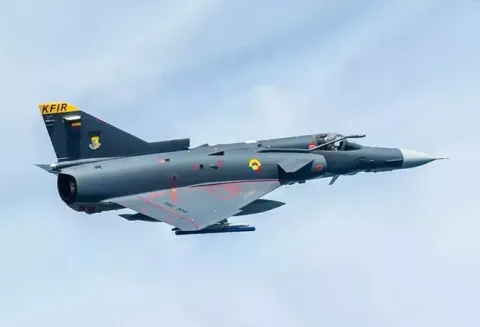
Israel Aerospace Industries
Kfir
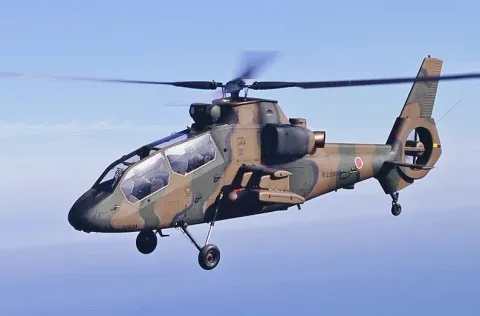
Kawasaki Heavy Industries
Kawasaki OH-1 Ninja
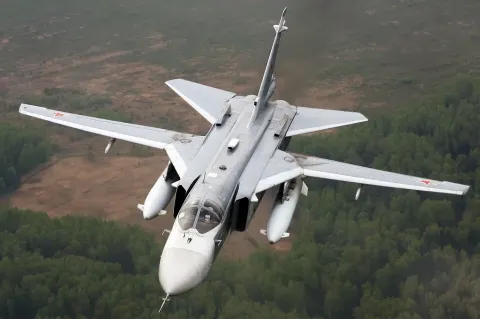
Sukhoi
Su-24M
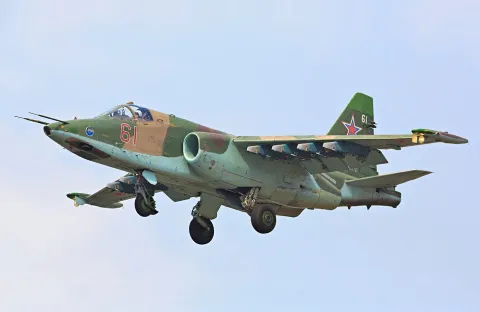
Sukhoi
Su-25SM3
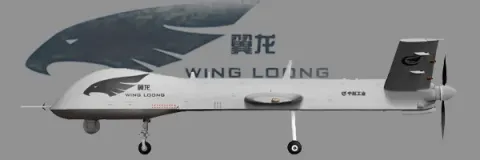
AVIC (Aviation Industry Corporation of China)
Wing Loong I
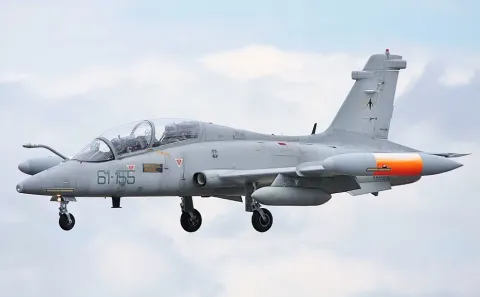
Leonardo
MB-339
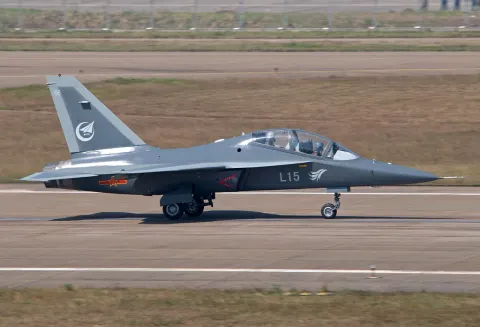
Hongdu Aviation Industry Group
L-15
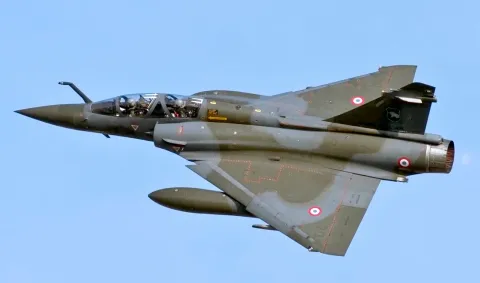
Dassault Aviation
Mirage 2000D
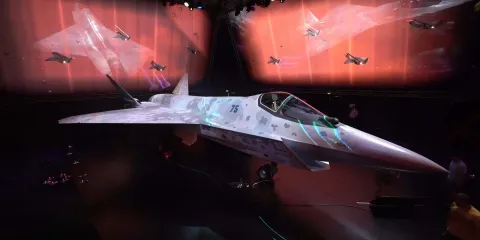
Sukhoi
Su-75 Checkmate
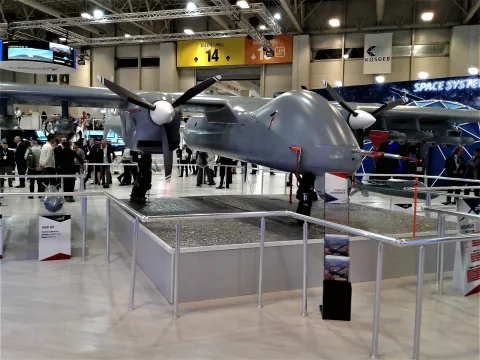
Turkish Aerospace Industries
Aksungur
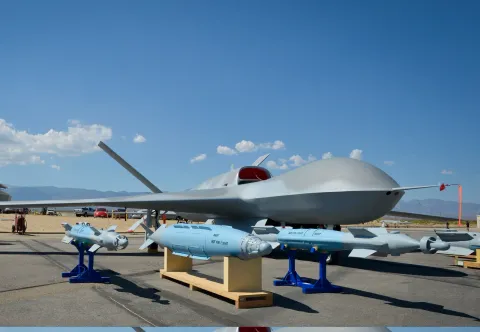
General Atomics Aeronautical Systems
Avenger (Predator C)
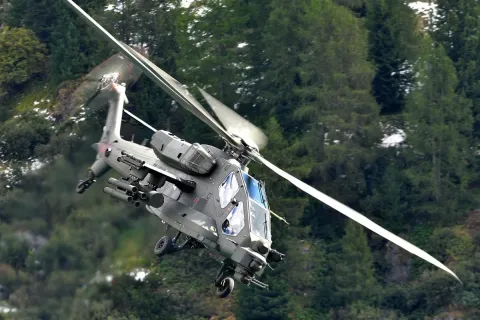
Leonardo
AW249 Fenice
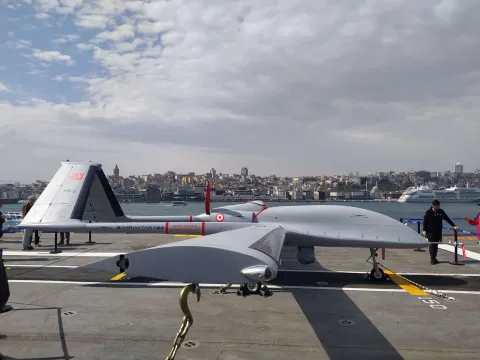
Baykar
Bayraktar TB3
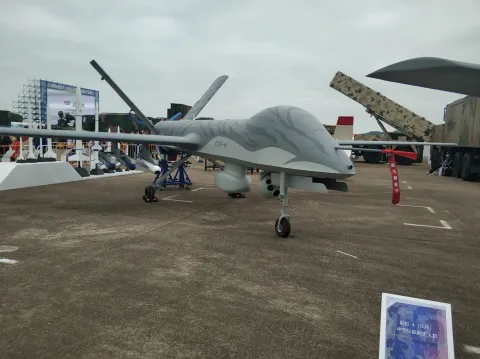
China Aerospace Science and Technology Corporation (CASC)
CH-5 (Caihong-5)
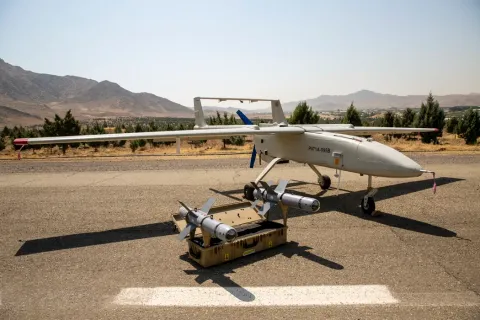
HESA (Iran Aircraft Manufacturing Industrial Company)
Mohajer-6
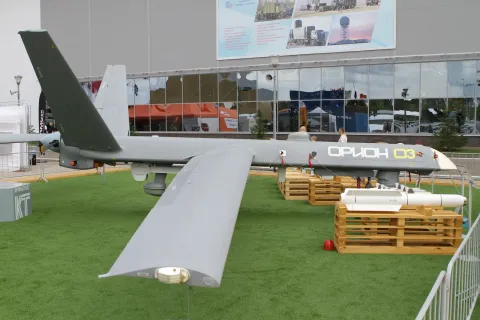
Kronshtadt Group
Orion (Inokhodets)
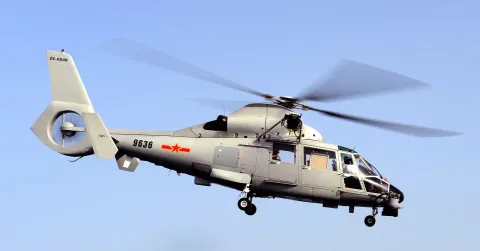
AVIC (Aviation Industry Corporation of China)
Z-9
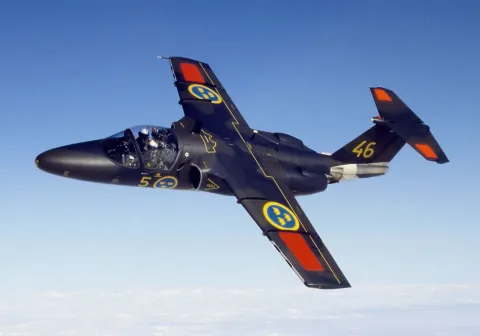
Saab AB
Saab 105
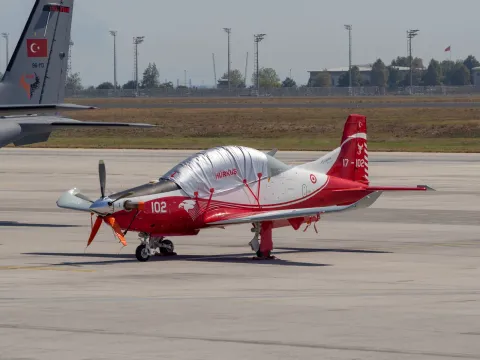
Turkish Aerospace Industries
Hürkuş
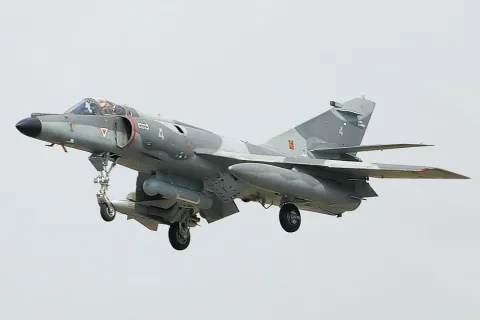
Dassault Aviation
Super Etendard
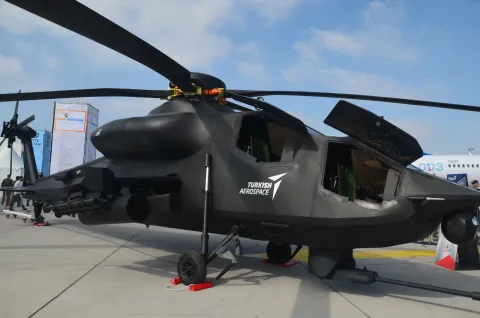
Turkish Aerospace Industries
T929 ATAK-2

Bell
UH-1Y Venom
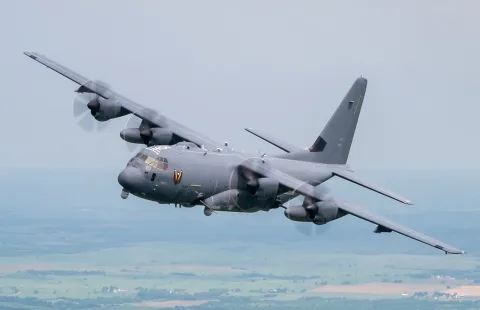
Lockheed Martin
AC-130J Ghostrider
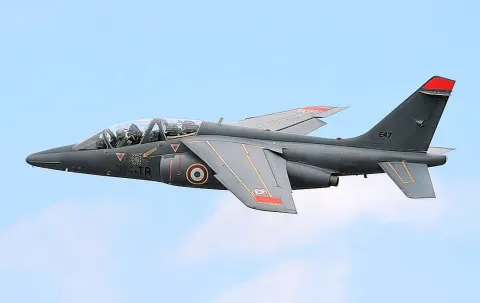
Dassault Aviation
Alpha Jet
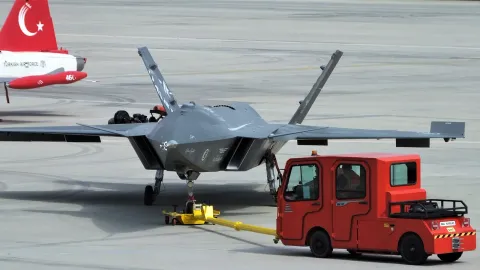
Baykar
Bayraktar Kizilelma
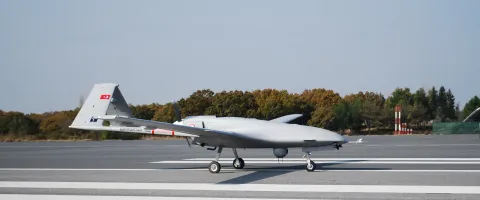
Baykar
Bayraktar TB2S
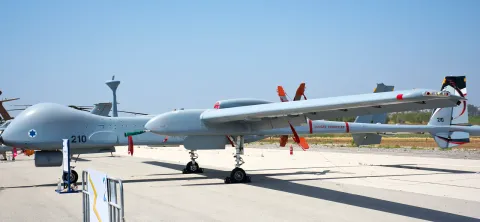
Israel Aerospace Industries
Heron TP
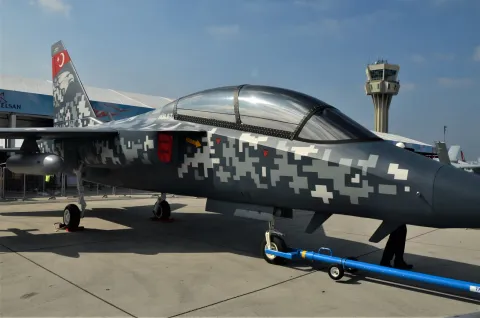
Turkish Aerospace Industries
Hürjet
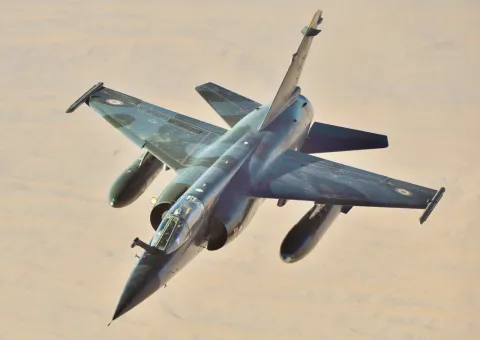
Dassault Aviation
Mirage F1
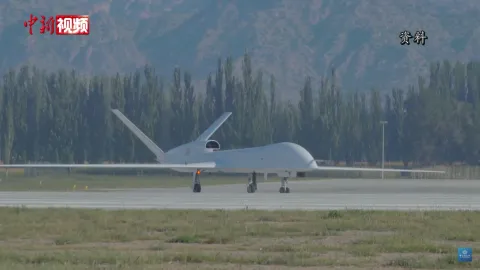
China Aerospace Science and Industry Corporation
WJ-700 (Falcon)
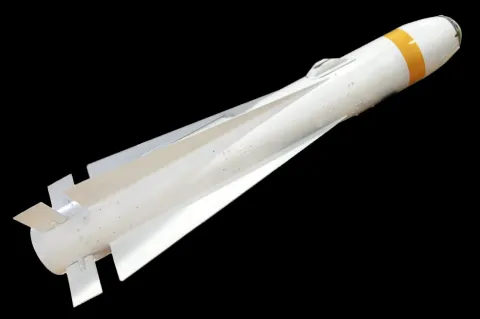
Raytheon (RTX)
AGM-65 Maverick
Calidus LLC
B-250
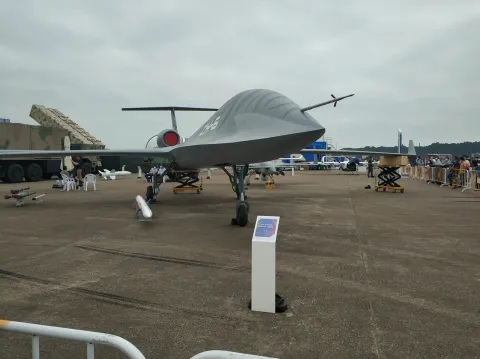
China Aerospace Science and Technology Corporation (CASC)
CH-6 (Caihong-6)
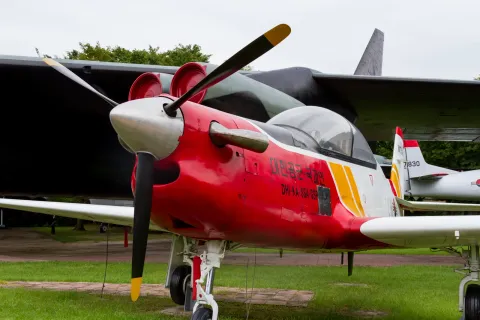
Korea Aerospace Industries (KAI)
KT-1 Woongbi
Milkor (Pty) Ltd
Milkor 380
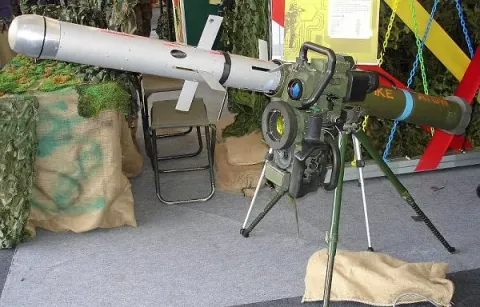
Rafael Advanced Defense Systems
Spike ER
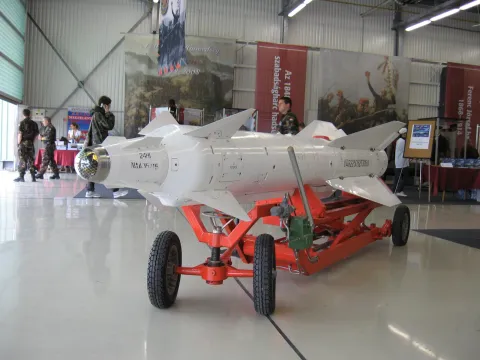
Tactical Missiles Corporation (KTRV)
Kh-29
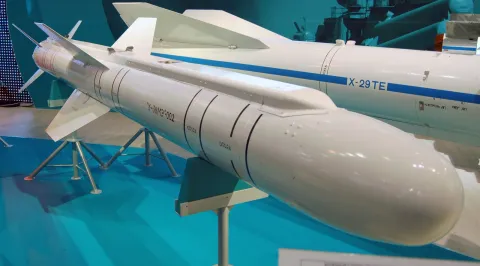
Tactical Missiles Corporation (KTRV)
Kh-38
AVIC (Aviation Industry Corporation of China)
Wing Loong 10
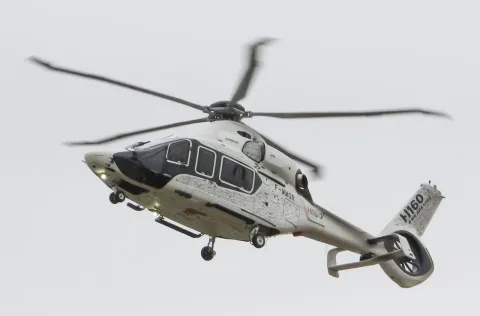
Airbus Helicopters
H160M Guepard
EDGE Group
Al Tariq LR
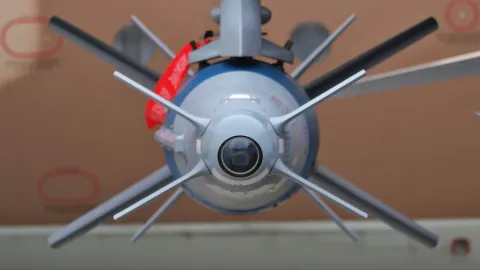
Rafael Advanced Defense Systems
SPICE 2000
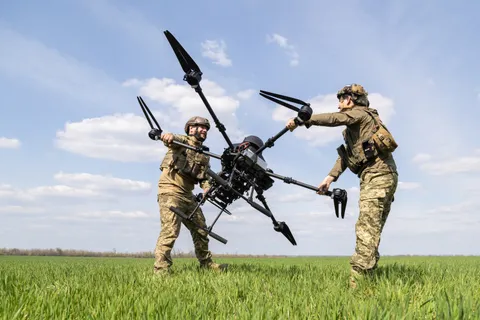
Skyfall
Vampire
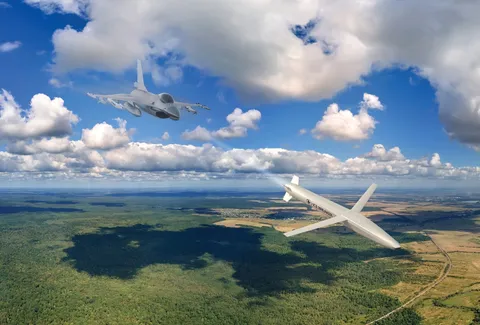
Rafael Advanced Defense Systems
Ice Breaker
Frequently asked questions
- Why does endurance matter more than speed for close air support?
- Ground troops in contact need an aircraft on station, ready to engage on short notice, for as long as the engagement lasts. Hours of loiter time nearby is a better predictor of usefulness than how fast the platform can fly in.
- What protection features matter for CAS platforms?
- Armor against small-arms fire plus countermeasures against man-portable air defense systems (MANPADS), since CAS aircraft operate at low altitude directly over contested ground.