 Iran
Iran Iran Aerospace Industries Organization
Fateh-110
Iran's first domestically produced solid-fuel guided short-range ballistic missile, forming the basis for a large family of derivatives including the Fateh-313 and Zolfaghar. It has been used operationally by Iran and transferred to regional allied and proxy forces.
In service since 2002
Compiled from public sources ·primary reference ↗
300
km range
3.5
Mach
450
kg warhead
Pricing: Production totals are commonly cited estimates, not officially disclosed
Procurement snapshot
Availability & export
Sanctioned origin
Under multilateral sanctions; acquisition carries severe legal/financial exposure for most buyers.
Channel: State channel
Fielded & proven
Operator data not public
In service since 2002. Status: active.
Lifecycle cost (est.)
No public unit price to model from. Why so few systems publish one →
Interoperability
No standardised NATO calibre / datalink detected in public specs.
Competitive field
62 comparable systems from 24 other manufacturers
Counted in the WeaponSpecs database: missiles built by another manufacturer that share at least one published role with this system. A count of what this catalog holds, not a survey of the whole market. See the alternatives →
Derived guidance from public data, export regime by country of origin, lifecycle from the GAO ~30% acquisition rule. Verify eligibility, pricing and offsets with the manufacturer and your acquisition authority.
Full specifications
Performance
Speed, range, altitude and engagement capability.
| Max speed (Mach) Maximum speed as a multiple of the speed of sound. Mach 2+ is typical for air-superiority fighters. | 3.5 Mach |
|---|---|
| Range Maximum distance: ferry range for aircraft, operational range for vehicles, maximum engagement distance for missiles. Higher means more standoff or persistence. | 300 km |
Firepower
Armament, payload and guidance.
| Warhead Warhead mass. Heavier generally means larger effect radius, at the cost of range. | 450 kg |
|---|---|
| Warhead type Blast-fragmentation, shaped charge (HEAT), penetrator, thermobaric or nuclear-capable. | High-explosive fragmentation |
| Guidance How the weapon finds its target: inertial, GPS/GLONASS, active/semi-active radar, infrared, laser, TV, wire. | Inertial navigation, Terminal electro-optical (later variants) |
Physical
Dimensions, weight and crew.
| Length Overall length including gun/probe where applicable. | 8.9 m |
|---|
Propulsion
Engine, power and fuel.
| Propulsion type Turbofan, turboshaft, diesel, gas turbine, solid-fuel rocket, ramjet… | Single-stage solid-fuel rocket |
|---|
Specifications compiled from public Iran Aerospace Industries Organization and reference sources ↗. Published defense figures are approximations, treat comparisons as directional. Last verified 2026-07-02.
Compare with rivals
See how it stacks up
 Boeing AGM-86 ALCM
 Frequently asked questions
What is the range of the Iran Aerospace Industries Organization Fateh-110? +
The Iran Aerospace Industries Organization Fateh-110 has a maximum range of 300 km.
What is the Iran Aerospace Industries Organization Fateh-110 used for? +
The Iran Aerospace Industries Organization Fateh-110 is a missile typically used for deep strike.
How much does the Iran Aerospace Industries Organization Fateh-110 cost? +
Iran Aerospace Industries Organization Fateh-110: Production totals are commonly cited estimates, not officially disclosed. Defense program costs are rarely fully public and vary by contract and configuration.
Similar systems
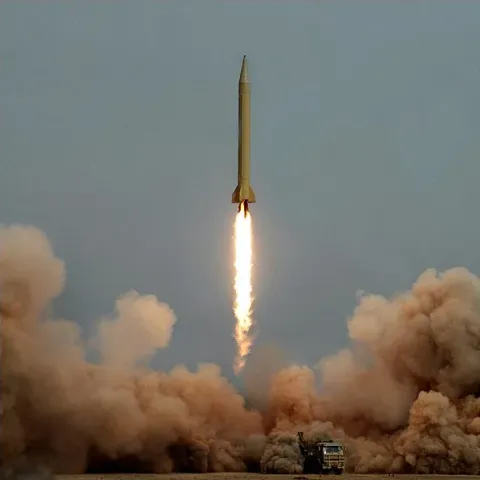
Iran Aerospace Industries Organization
Shahab-3
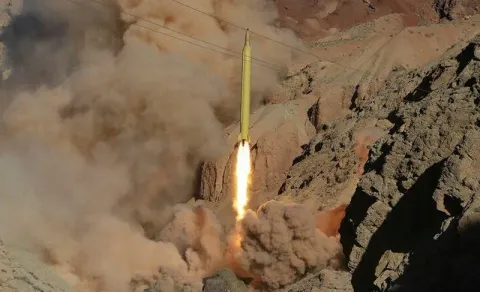
Iran Aerospace Industries Organization
Ghadr-110
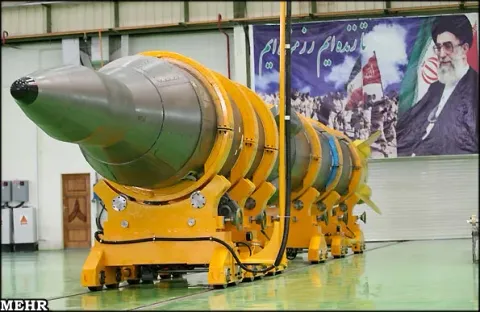
Iran Aerospace Industries Organization
Sejjil
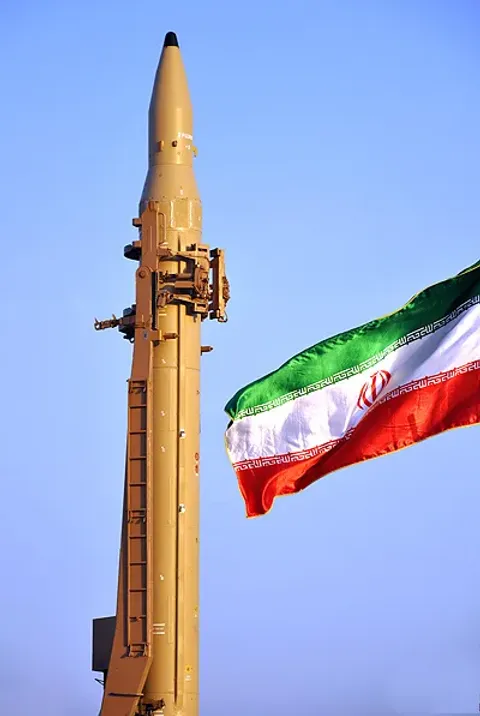
Iran Aerospace Industries Organization
Qiam-1
Related coverage
Fateh-110 in the news
 Article
 comparison · Aug 26, 2026
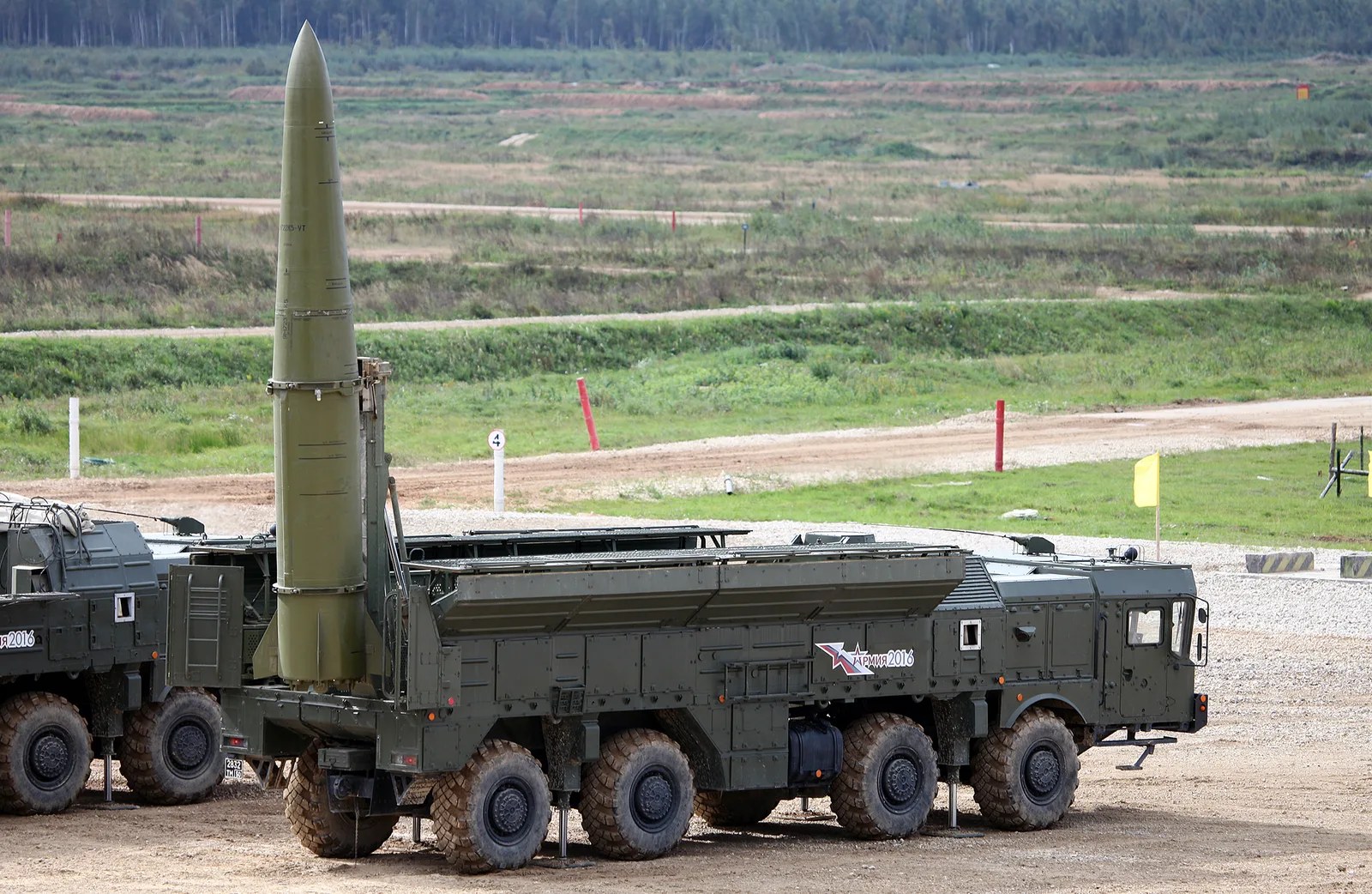
North Korea's KN-30: A Payload Claim, Not a Combat Record
North Korea's new KN-30 missile claims a 2,500 kg warhead that matches South Korea's own bunker-buster almost exactly, before it has ever flown in combat.
 News
News conflict · Jul 10, 2026
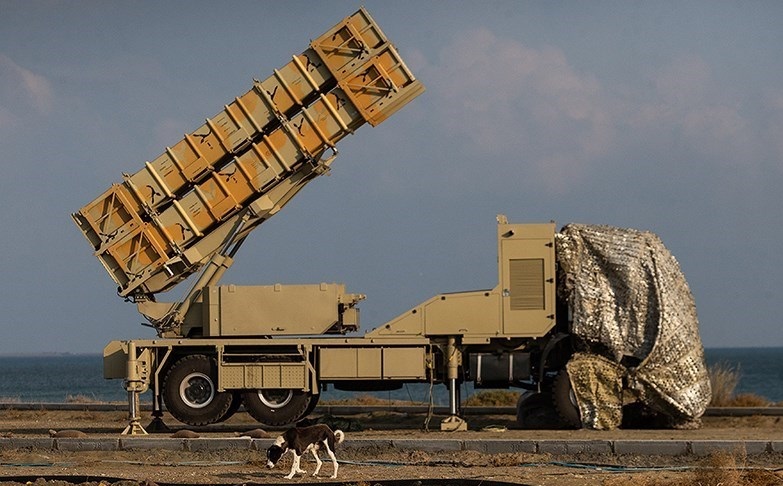
US strikes 90 Iranian targets; Iran retaliates across Gulf
Ceasefire between Washington and Tehran collapses after 48 hours of tit-for-tat airstrikes and ballistic-missile attacks on allied bases.