Systems for isr
ISR platforms exist to watch, listen and report, not to strike, so the decisive specs are endurance (time on station), sensor range and resolution, and datalink bandwidth for getting the picture back in near-real time. A slower airframe with a better sensor suite usually outperforms a faster one with a worse one in this role.
180 matching systems in our database.
What matters for isr
- ●Endurance: total time on station per sortie, the primary value driver for persistent surveillance.
- ●Sensor suite: EO/IR, synthetic aperture radar, and signals-intelligence payloads determine what the platform can actually detect and identify.
- ●Datalink: bandwidth and range for streaming full-motion video or sensor data back to an operations center.
- ●Service ceiling: higher altitude widens the sensor footprint and improves survivability against ground fire.
ISR systems in our database
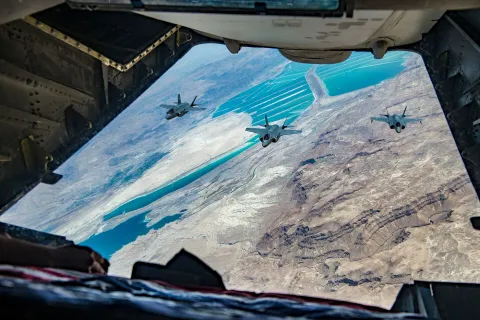
Lockheed Martin
F-35A Lightning II
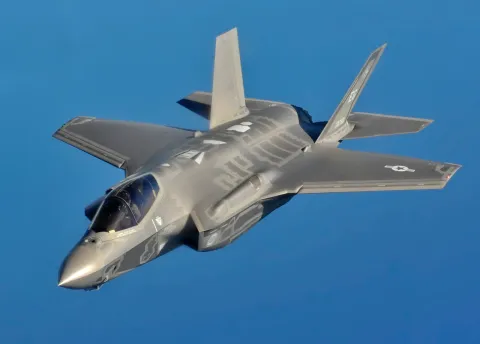
Lockheed Martin
F-35B Lightning II
Lockheed Martin
F-35C Lightning II
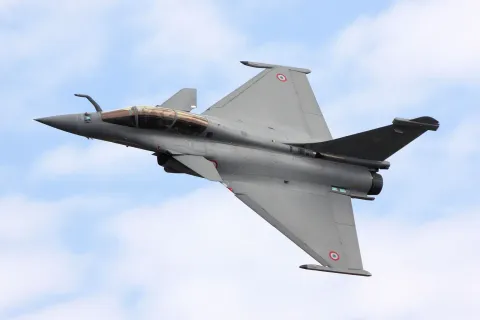
Dassault Aviation
Rafale M
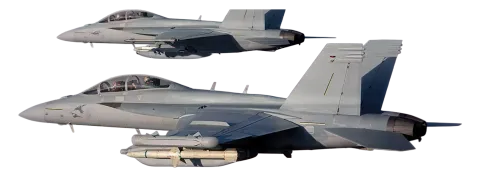
Boeing
EA-18G Growler
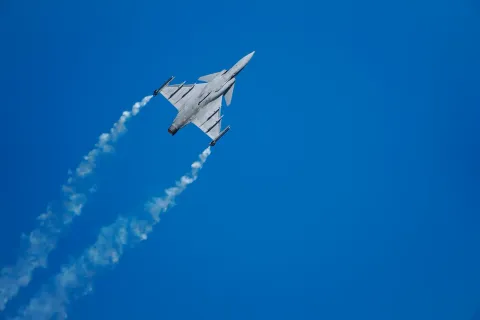
Saab AB
JAS 39E Gripen
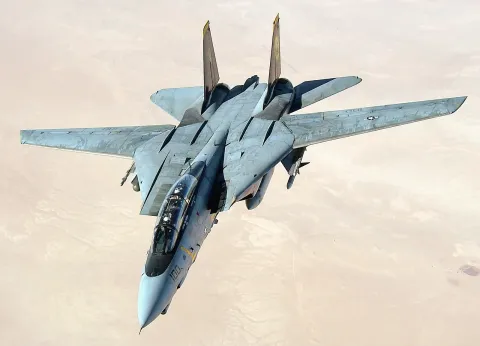
Northrop Grumman
F-14 Tomcat
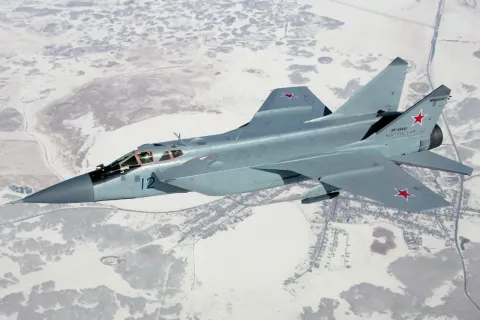
Mikoyan (MiG)
MiG-31
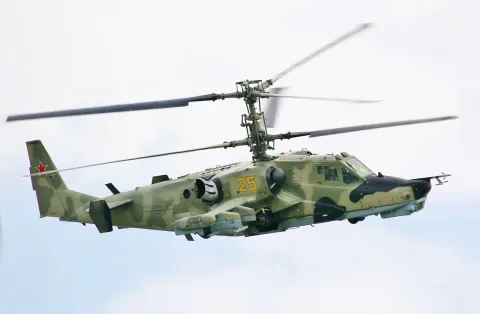
Russian Helicopters
Ka-52 Alligator
Boeing
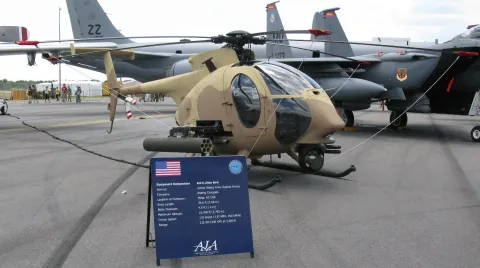
AH-6 Little Bird
Hindustan Aeronautics Limited
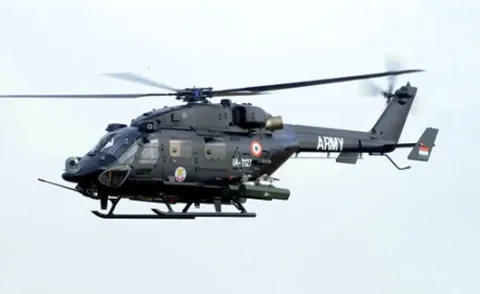
HAL Rudra
Hindustan Aeronautics Limited
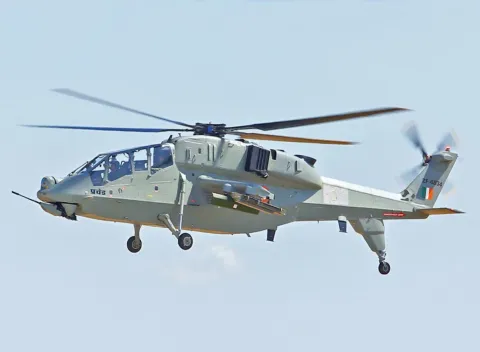
HAL Prachand (LCH)
AVIC (Aviation Industry Corporation of China)
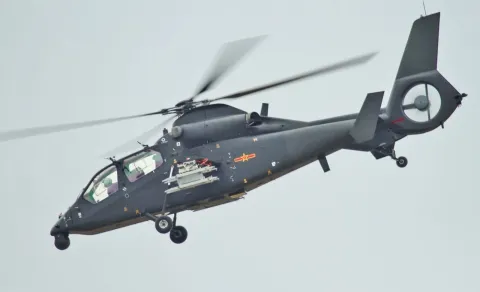
Harbin Z-19
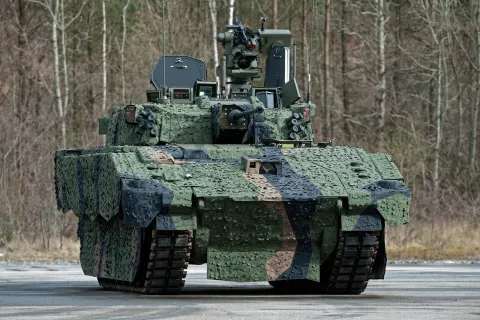
General Dynamics Land Systems
Ajax
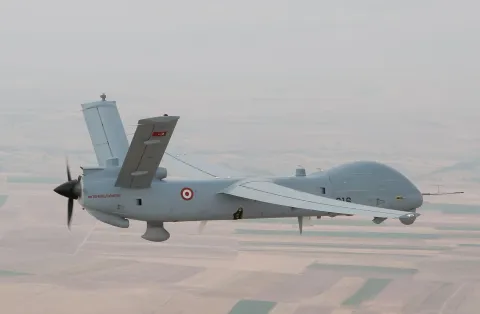
Turkish Aerospace Industries
ANKA-S
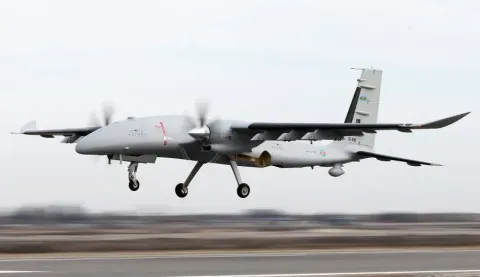
Baykar
Bayraktar Akinci
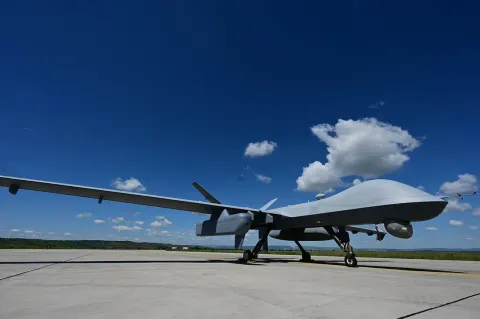
General Atomics Aeronautical Systems
MQ-9A Reaper
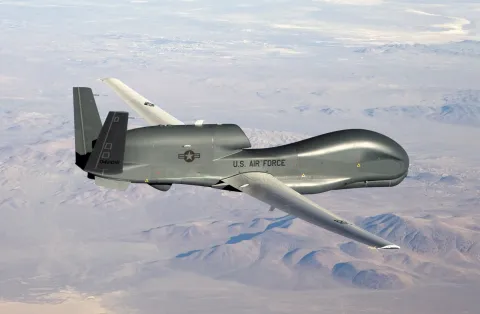
Northrop Grumman
RQ-4 Global Hawk
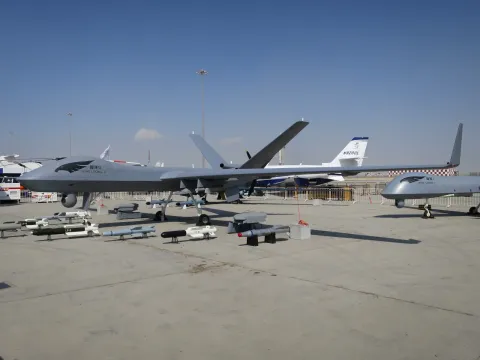
AVIC (Aviation Industry Corporation of China)
Wing Loong II
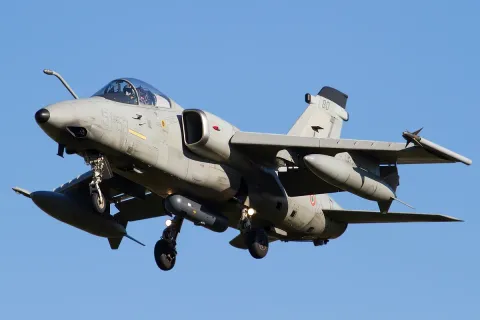
Leonardo
AMX Ghibli
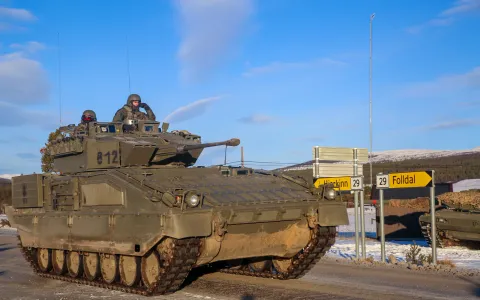
Santa Barbara Sistemas
ASCOD
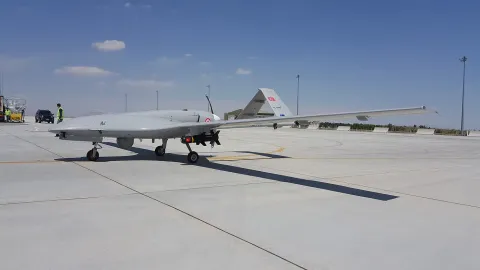
Baykar
Bayraktar TB2
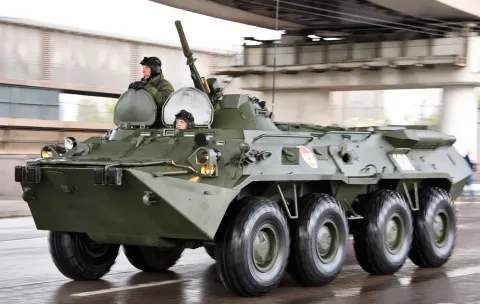
Kurganmashzavod
BTR-80
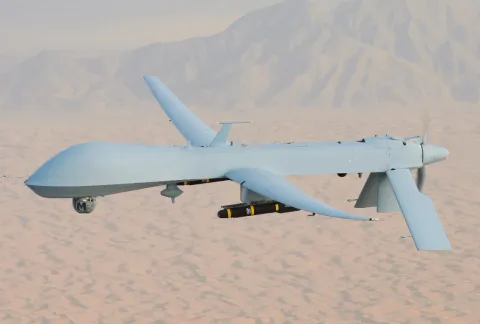
General Atomics Aeronautical Systems
MQ-1 Predator
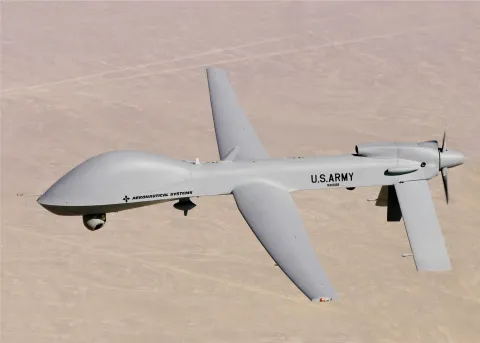
General Atomics Aeronautical Systems
MQ-1C Gray Eagle
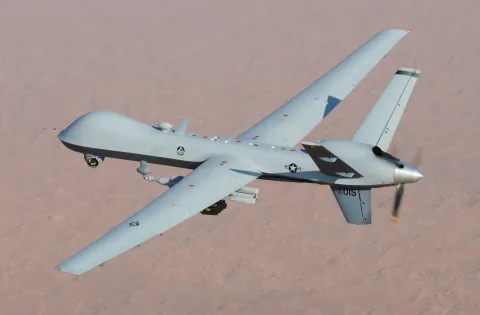
General Atomics Aeronautical Systems
MQ-9B SkyGuardian
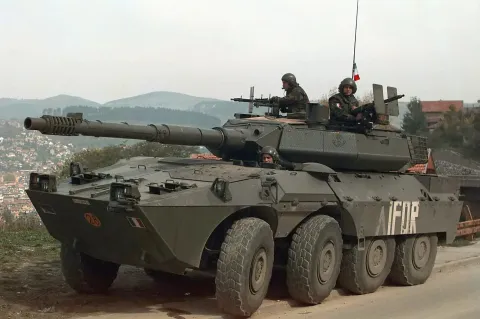
Iveco Defence Vehicles
B1 Centauro
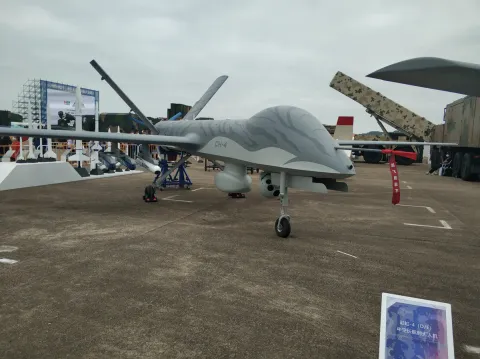
China Aerospace Science and Technology Corporation (CASC)
CH-4 (Caihong-4)
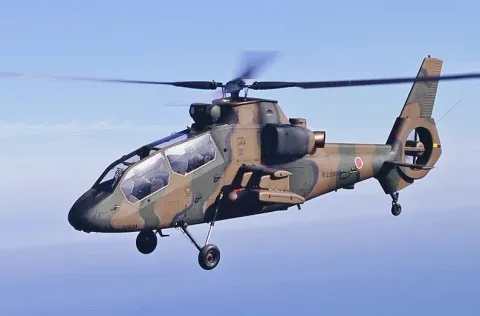
Kawasaki Heavy Industries
Kawasaki OH-1 Ninja
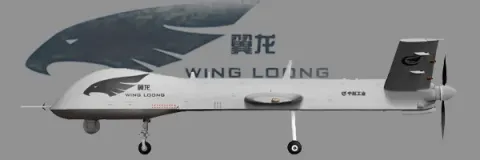
AVIC (Aviation Industry Corporation of China)
Wing Loong I
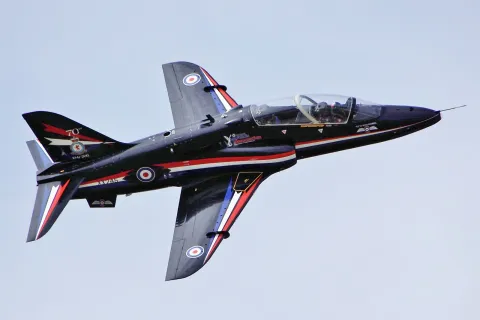
BAE Systems
Hawk T2
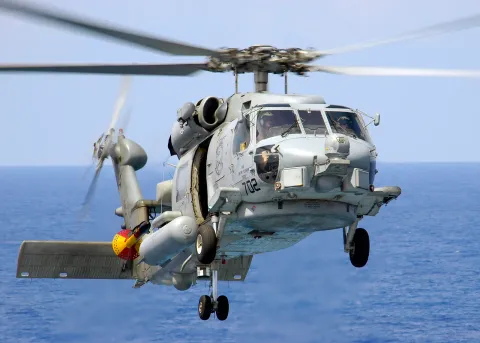
Lockheed Martin
MH-60R Seahawk
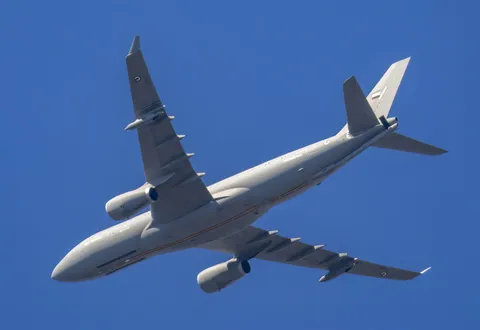
Airbus Defence and Space
A330 MRTT
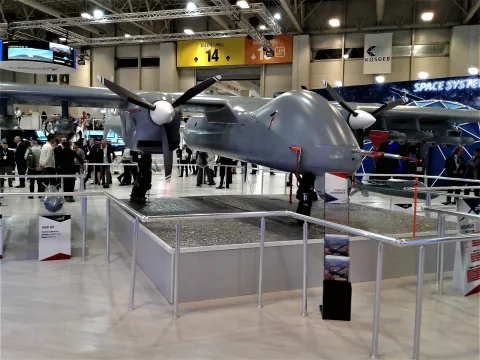
Turkish Aerospace Industries
Aksungur
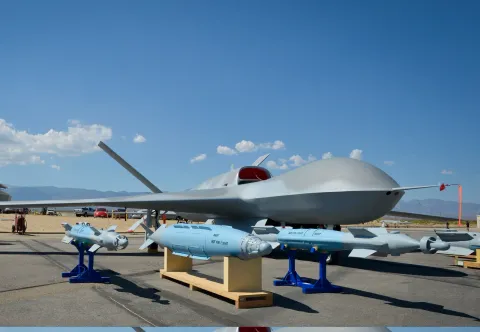
General Atomics Aeronautical Systems
Avenger (Predator C)
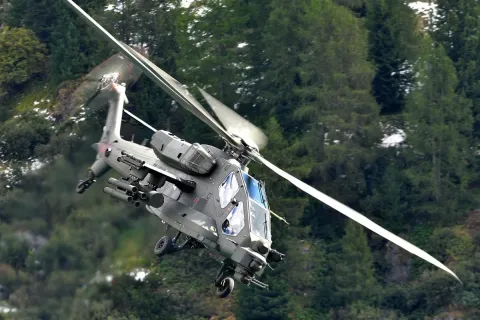
Leonardo
AW249 Fenice
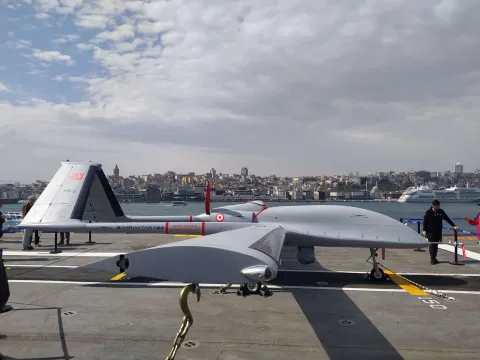
Baykar
Bayraktar TB3
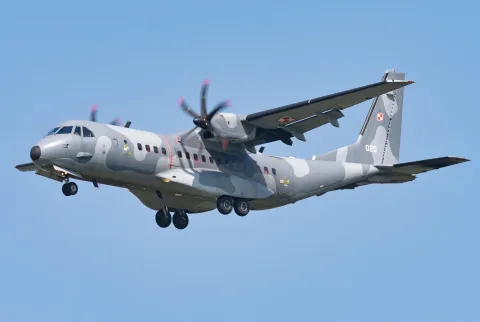
Airbus Defence and Space
C-295
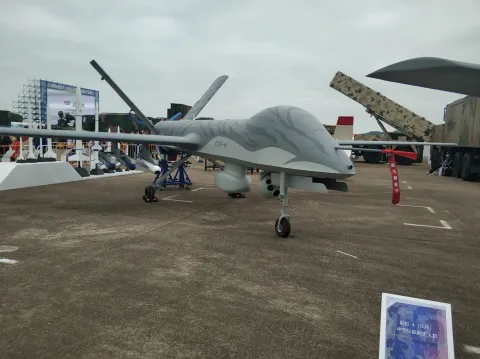
China Aerospace Science and Technology Corporation (CASC)
CH-5 (Caihong-5)
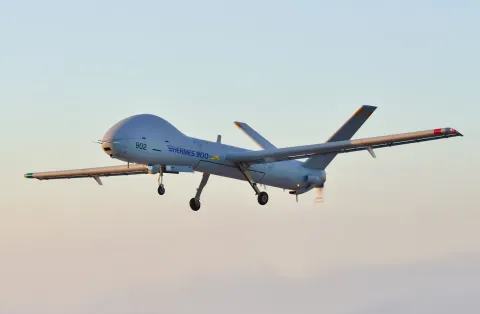
Elbit Systems
Hermes 900
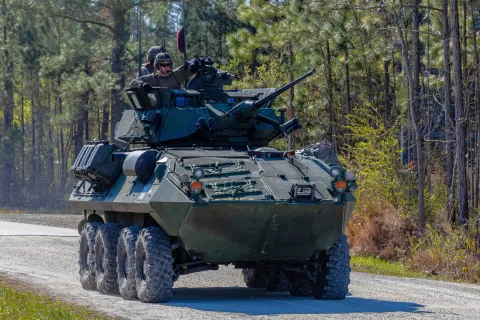
General Dynamics Land Systems
LAV-25
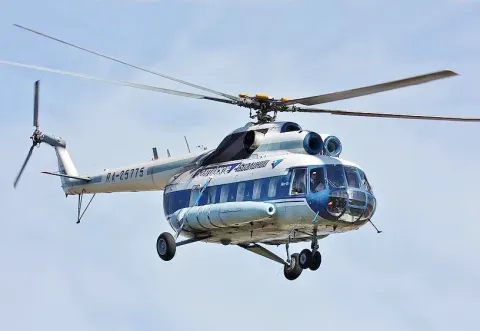
Russian Helicopters
Mi-8MTV-5
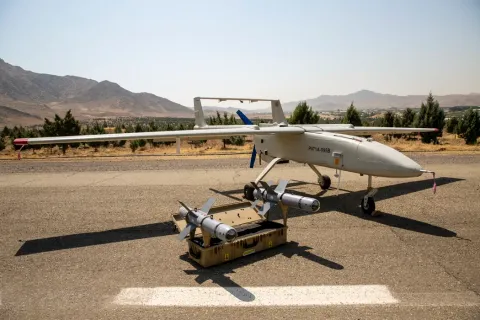
HESA (Iran Aircraft Manufacturing Industrial Company)
Mohajer-6
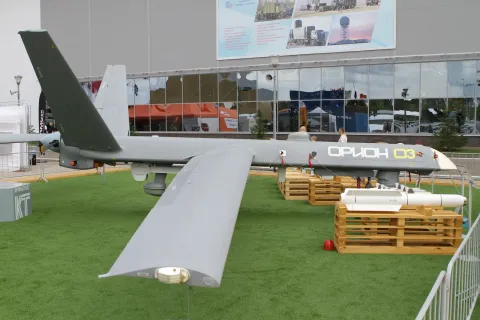
Kronshtadt Group
Orion (Inokhodets)
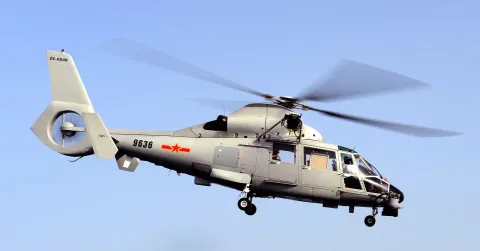
AVIC (Aviation Industry Corporation of China)
Z-9
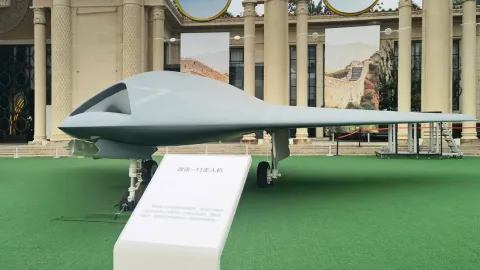
AVIC (Aviation Industry Corporation of China)
GJ-11
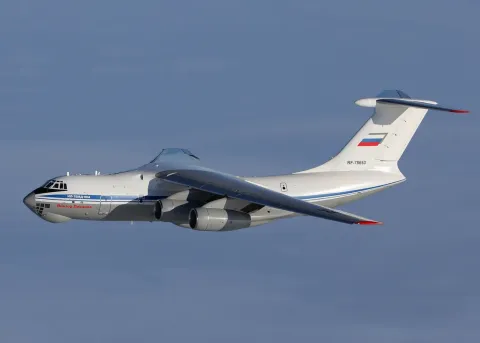
Ilyushin
Il-76MD-90A
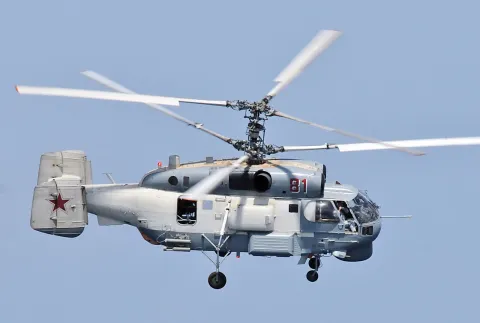
Russian Helicopters
Ka-27
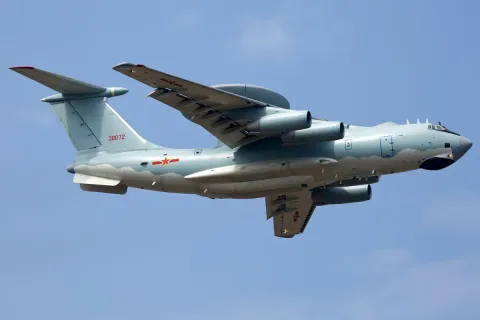
AVIC (Aviation Industry Corporation of China)
KJ-2000 (Mainring)
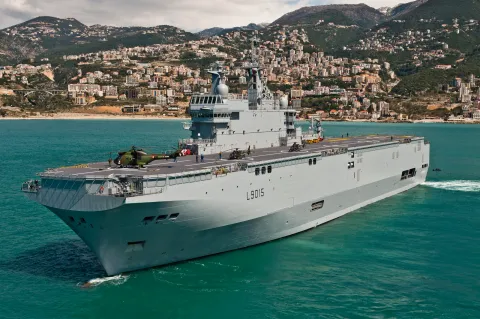
Naval Group
Mistral class
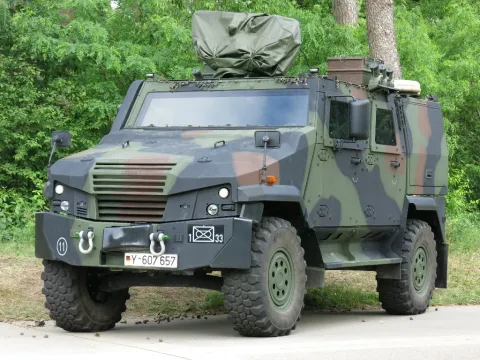
MOWAG
Eagle V
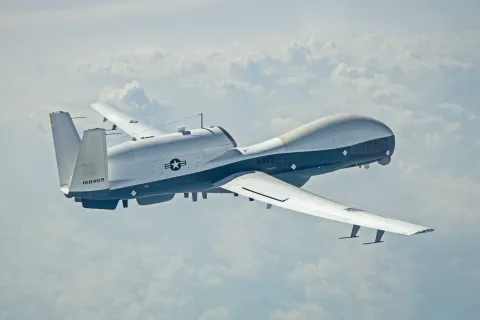
Northrop Grumman
MQ-4C Triton
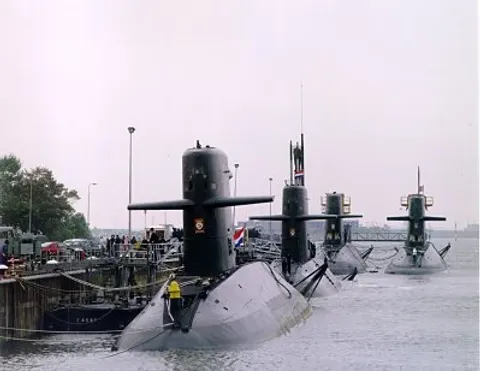
Rotterdamsche Droogdok Maatschappij (RDM)
Walrus class
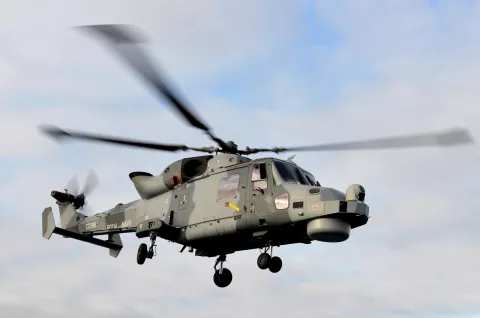
Leonardo
Wildcat AH1
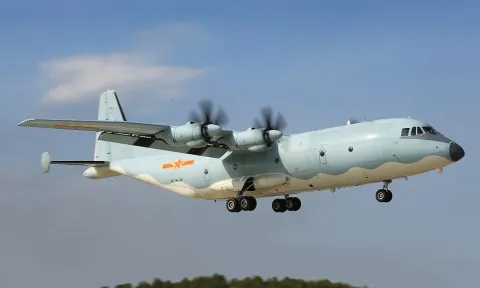
Xi'an Aircraft Industrial Corporation (XAC)
Y-9
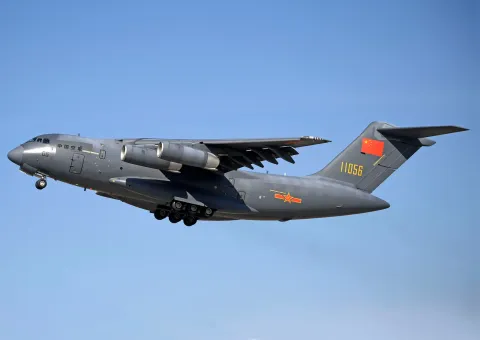
Xi'an Aircraft Industrial Corporation (XAC)
Y-20
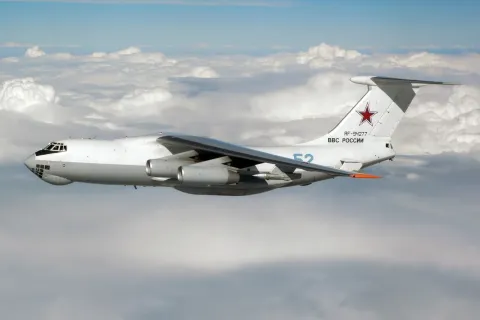
Ilyushin
Il-78M
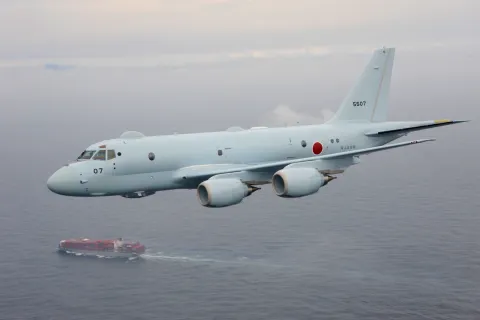
Kawasaki Heavy Industries
Kawasaki P-1
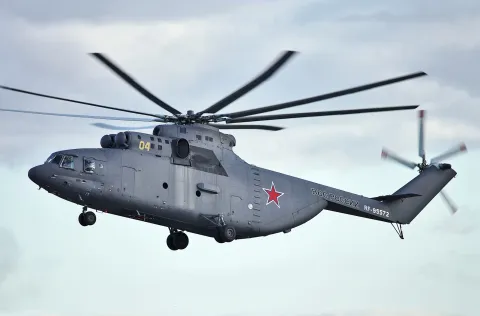
Russian Helicopters
Mi-26
Naval Group
Suffren class
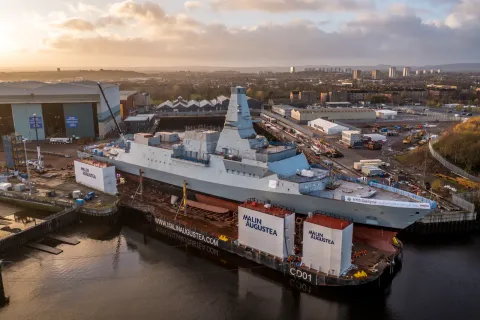
BAE Systems
Type 26 City
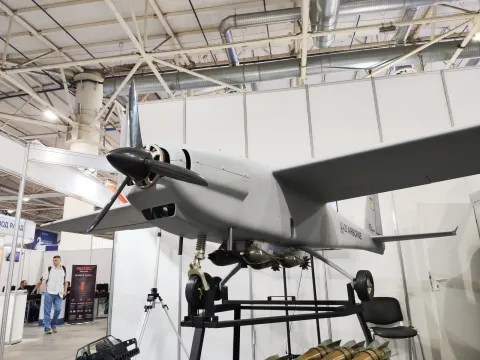
UkrJet
UJ-22 Airborne
Arquus
VAB Mk3
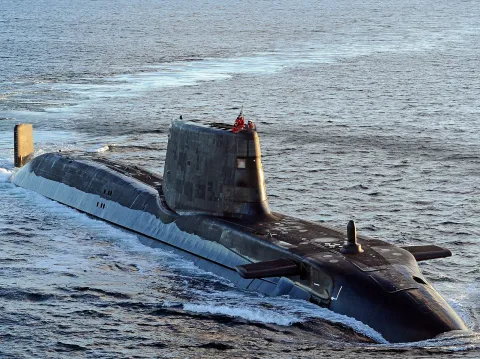
BAE Systems
Astute class
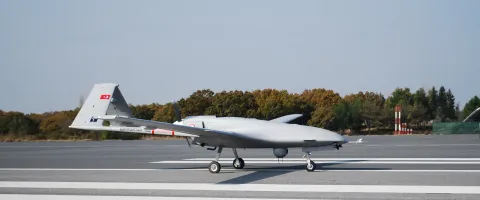
Baykar
Bayraktar TB2S
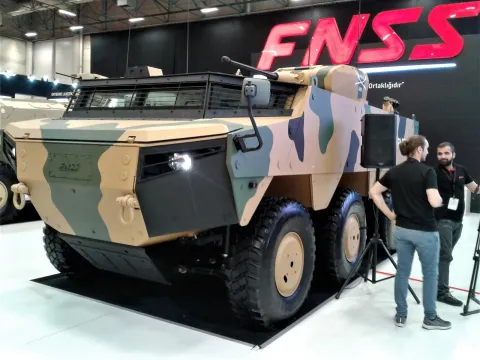
FNSS Defence Systems
PARS 6x6
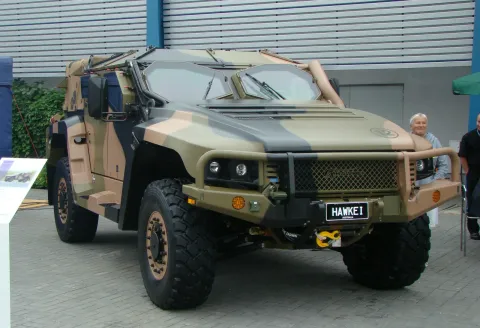
Thales Group
Hawkei
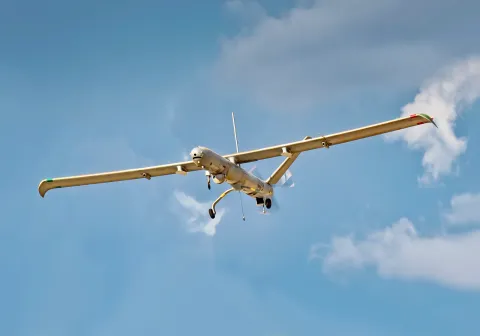
Elbit Systems
Hermes 450
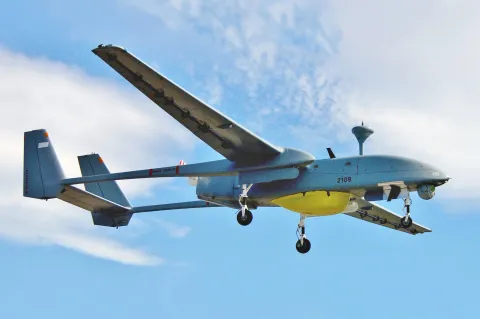
Israel Aerospace Industries
Heron 1
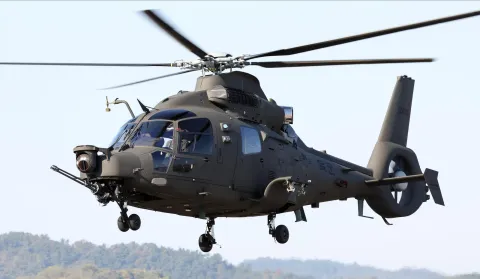
Korea Aerospace Industries (KAI)
LAH
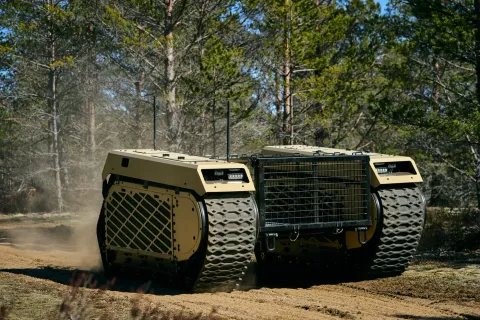
Milrem Robotics
Milrem THeMIS
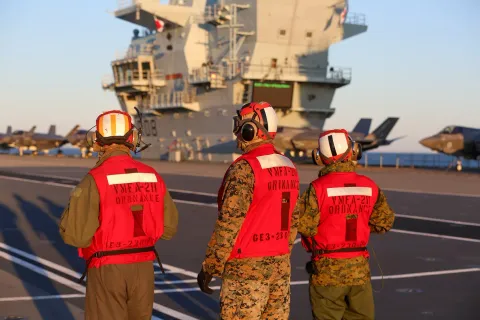
Babcock International Group
Queen Elizabeth-class
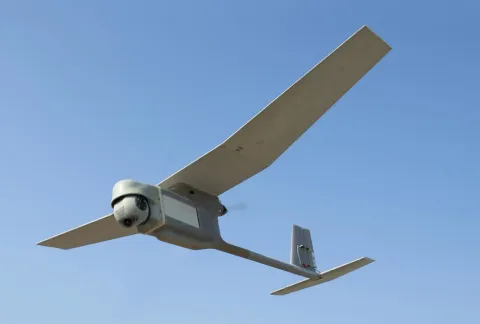
AeroVironment
RQ-11 Raven
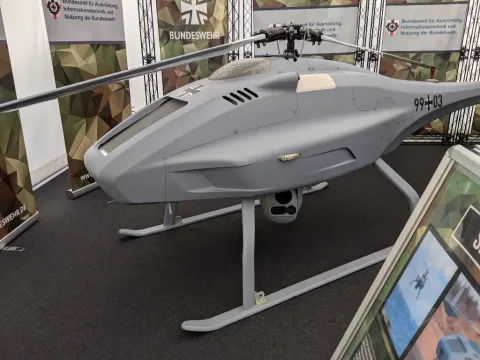
Saab AB
Skeldar V-200
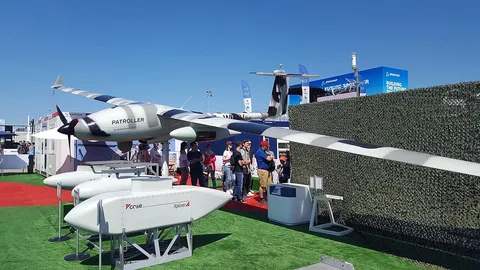
Safran
Patroller
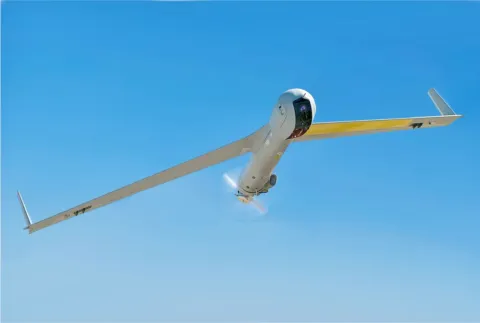
Boeing
ScanEagle
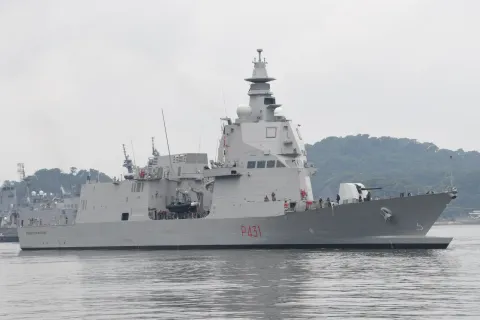
Fincantieri
Thaon di Revel class (PPA)
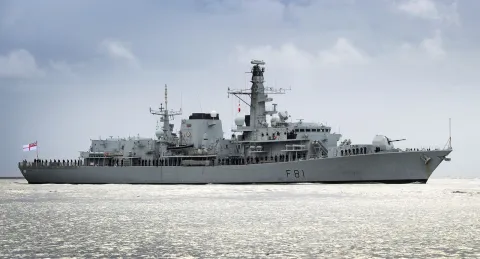
BAE Systems
Type 23 Duke
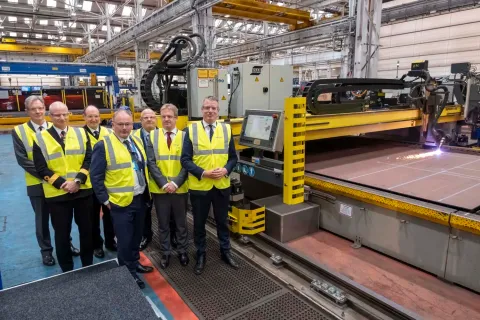
Babcock International Group
Type 31 Inspiration
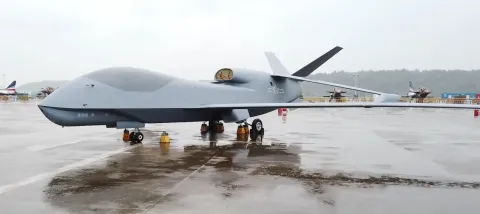
AVIC (Aviation Industry Corporation of China)
WZ-7
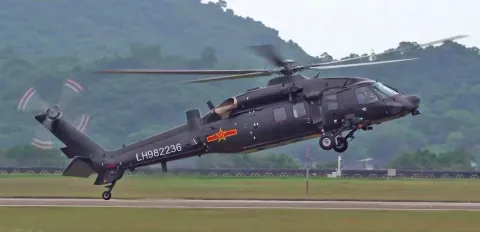
AVIC (Aviation Industry Corporation of China)
Z-20
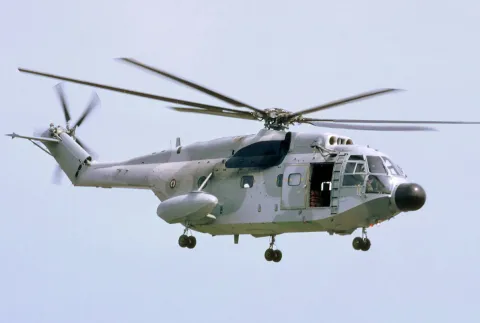
AVIC (Aviation Industry Corporation of China)
Z-8
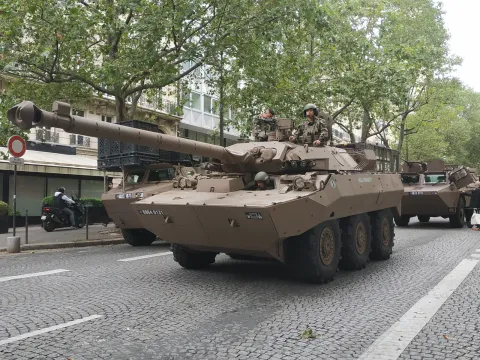
KNDS
AMX-10RC
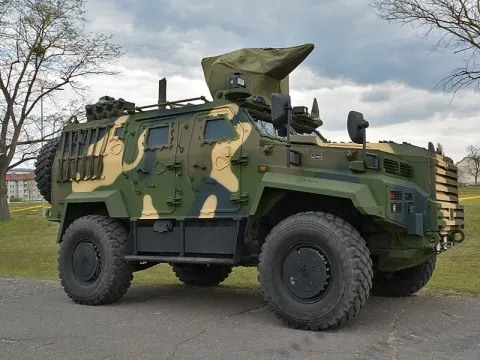
Nurol Makina
Ejder Yalçın
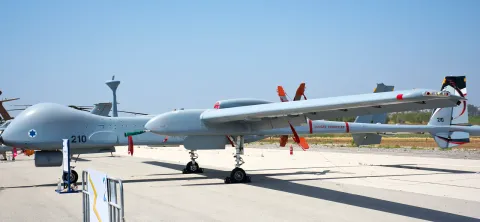
Israel Aerospace Industries
Heron TP
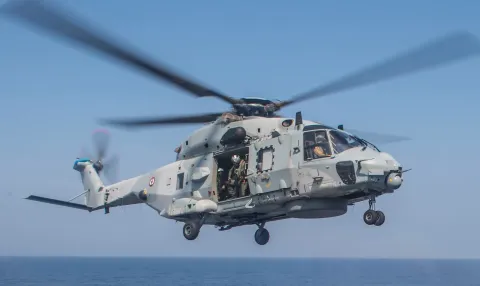
Airbus Helicopters
NH90 Caiman
Patria
ONE
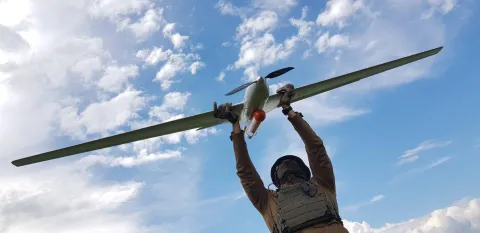
UA Dynamics
Punisher
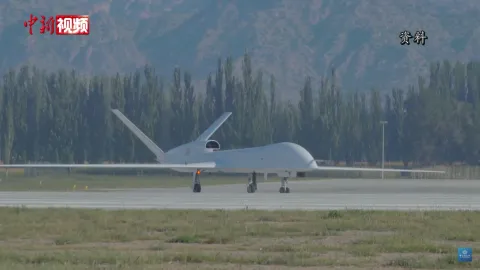
China Aerospace Science and Industry Corporation
WJ-700 (Falcon)
NIMR Automotive
Ajban Mk2
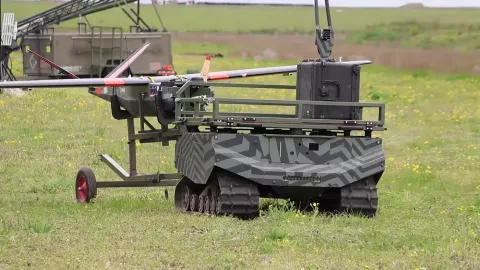
ARX Robotics
ARX Gereon RCS
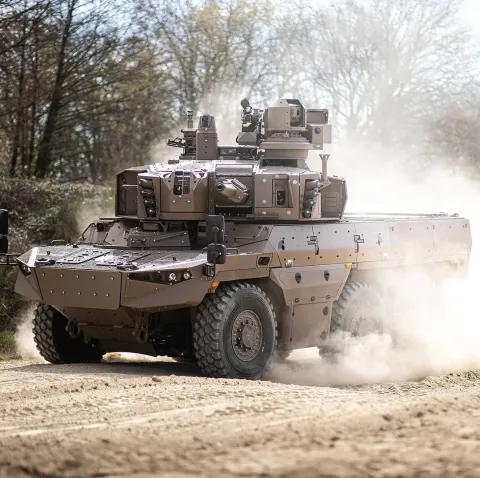
KNDS
EBRC Jaguar
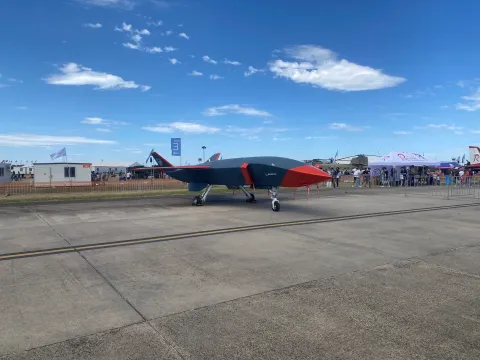
Boeing
MQ-28 Ghost Bat
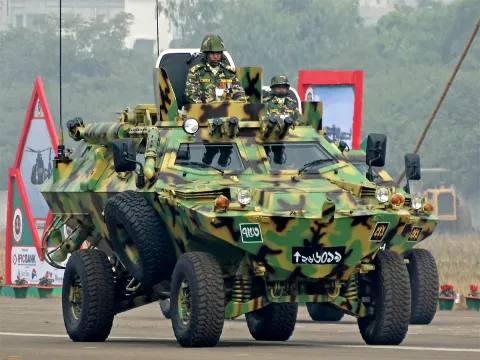
Otokar
Cobra II
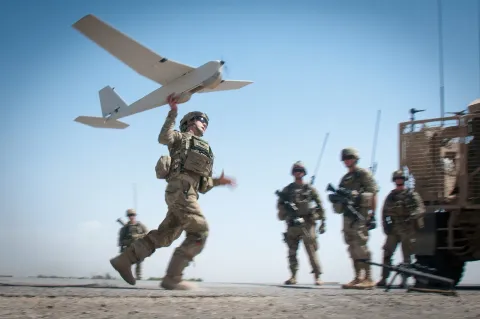
AeroVironment
RQ-20 Puma
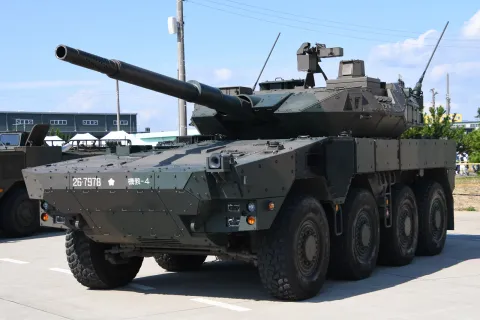
Mitsubishi Heavy Industries
Type 16 Maneuver Combat Vehicle
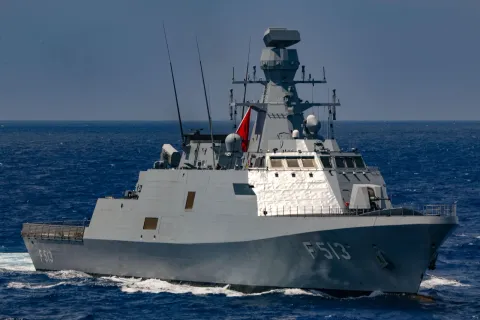
STM (Savunma Teknolojileri Mühendislik)
Ada-class
Arquus
Scarabee
Calidus LLC
B-250
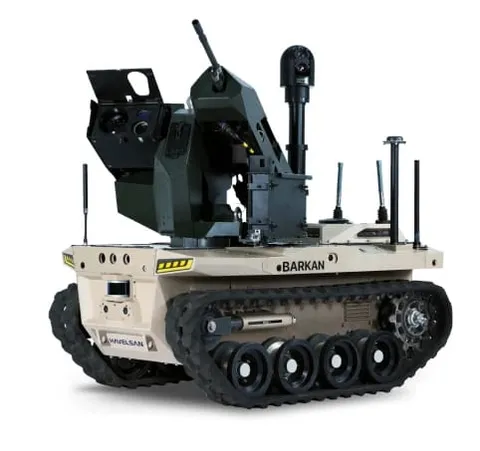
HAVELSAN
Barkan
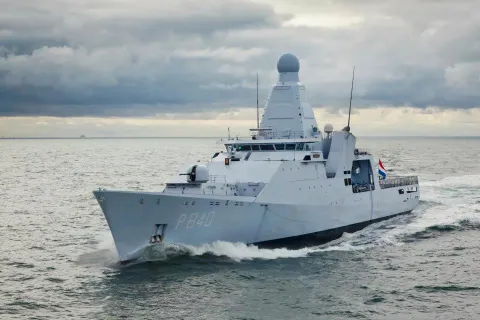
Damen Naval
Holland class
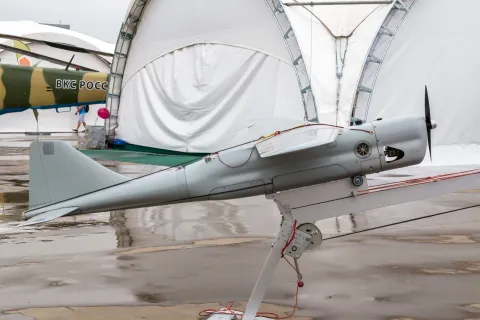
ZALA Aero Group
Orlan-10
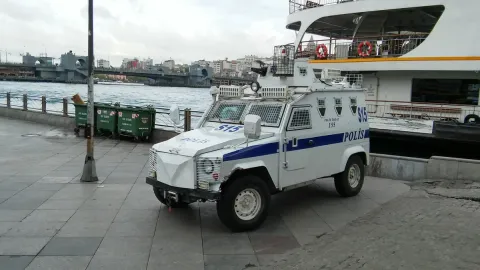
Otokar
Akrep IIe
Patria
SKY
Roboteam
Roboteam ProBot
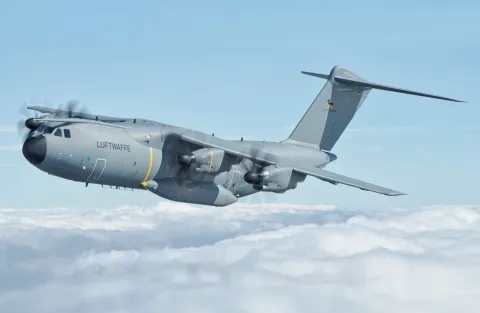
Airbus Defence and Space
A400M Atlas
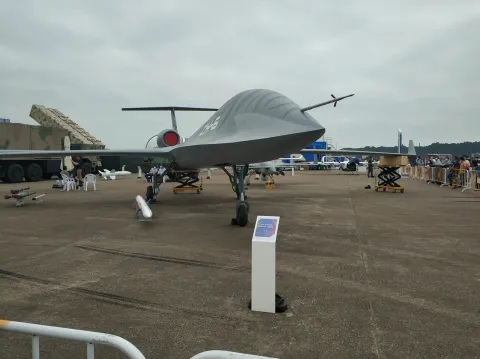
China Aerospace Science and Technology Corporation (CASC)
CH-6 (Caihong-6)
Elbit Systems
Elbit Systems ROOK
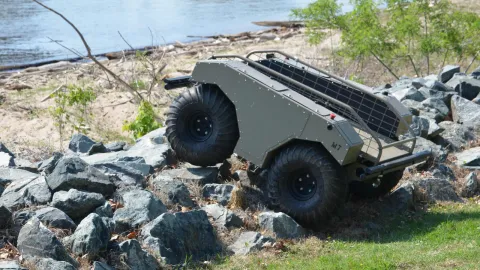
General Dynamics Land Systems
MUTT (S-MET)
HORIBA MIRA
HORIBA MIRA Viking
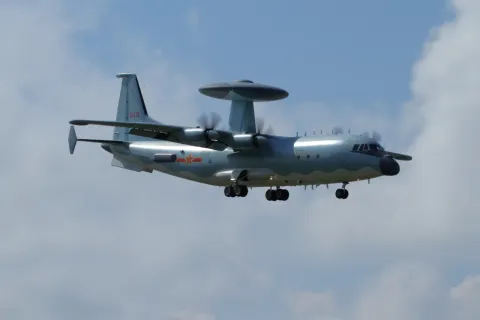
Xi'an Aircraft Industrial Corporation (XAC)
KJ-500
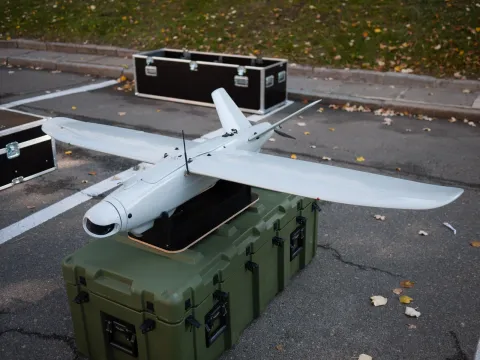
DeViRo
Leleka-100
Milkor (Pty) Ltd
Milkor 380
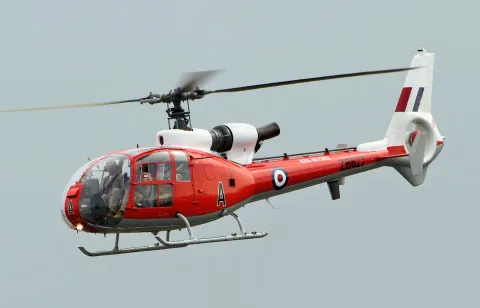
Airbus Helicopters
SA342 Gazelle
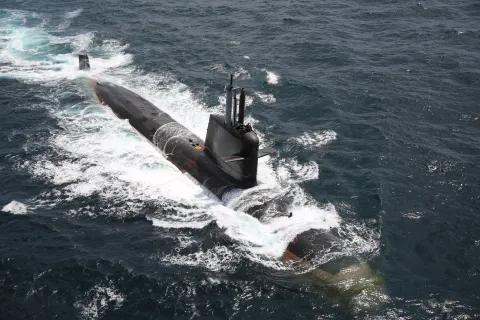
Naval Group
Scorpene class
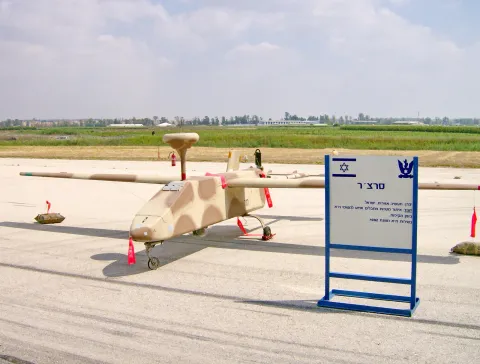
Israel Aerospace Industries
Searcher Mk III
Israel Aerospace Industries
Super Heron
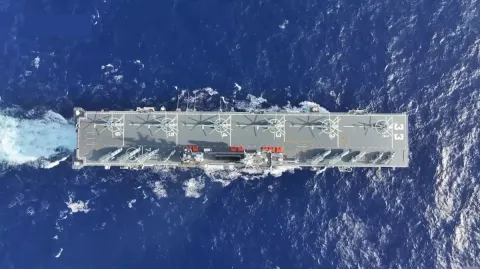
China State Shipbuilding Corporation (CSSC)
Type 075
VOP CZ
VOP CZ TAROS V4
Zakłady Mechaniczne Tarnów
Zakłady Mechaniczne Tarnów Perun
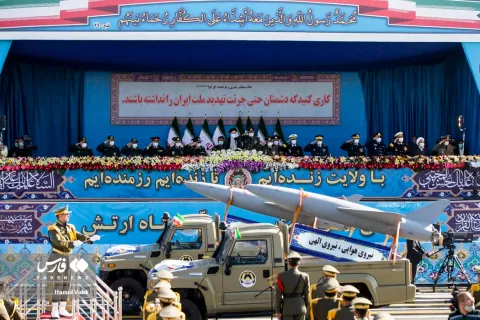
HESA (Iran Aircraft Manufacturing Industrial Company)
Arash
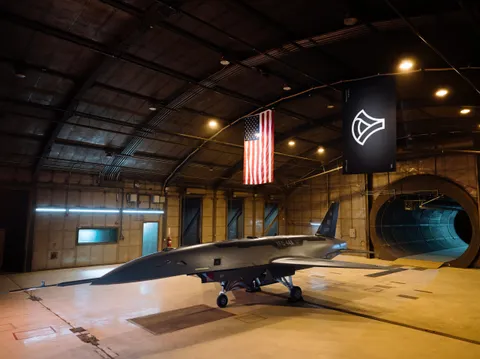
Anduril Industries
Fury (YFQ-44A)
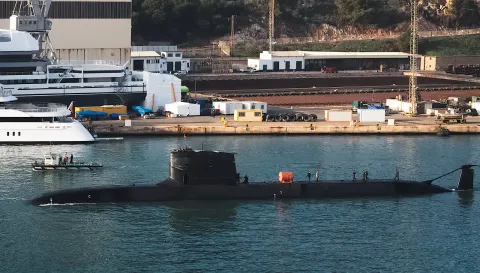
Navantia
S-80 Plus
Skydio
X2D
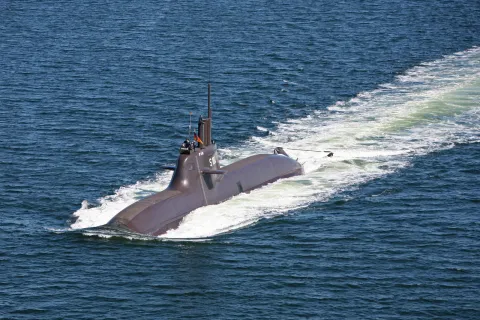
Fincantieri
Salvatore Todaro class (U212A)
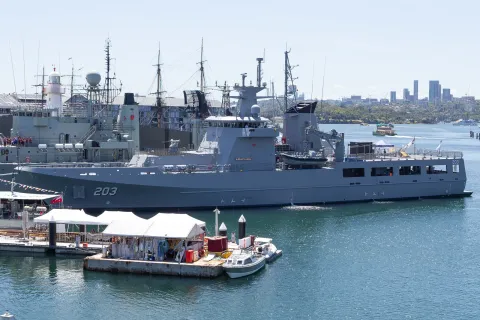
Austal Limited
Arafura-class
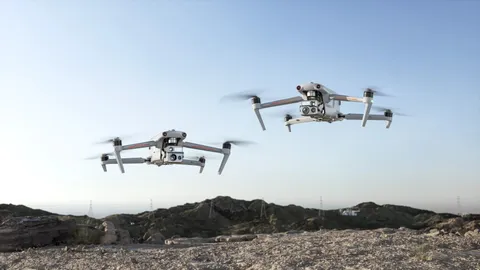
Autel Robotics
EVO Max 4T
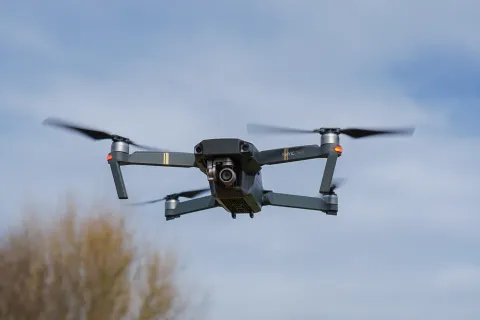
DJI
Mavic 3
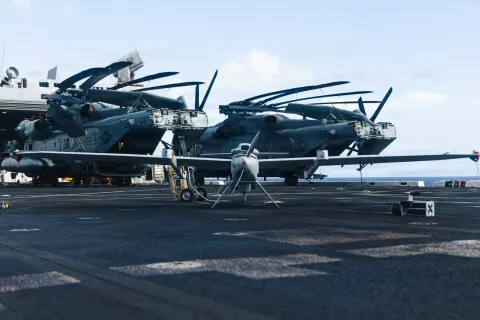
AeroVironment
JUMP 20
Teledyne FLIR
Black Hornet 4
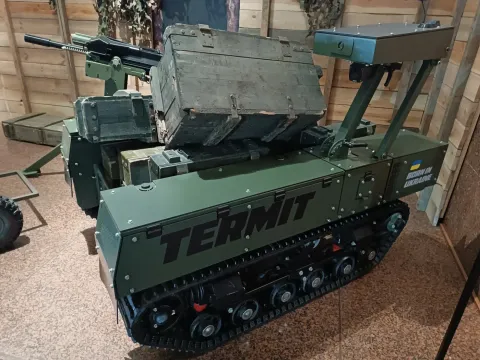
Tencore
Tencore TerMIT
AVIC (Aviation Industry Corporation of China)
Wing Loong 10
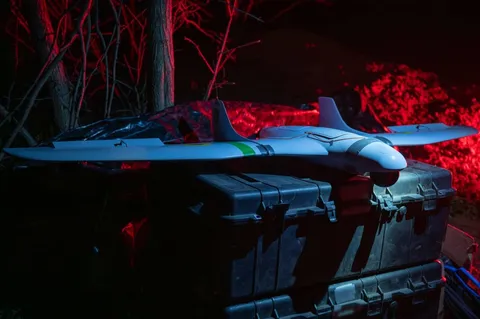
Athlon Avia
A1-CM Furia
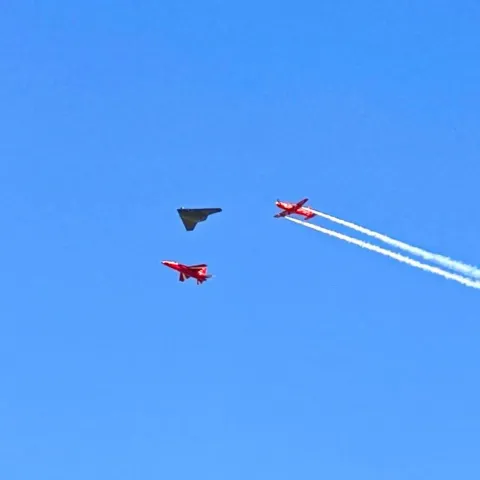
Turkish Aerospace Industries
Anka-3
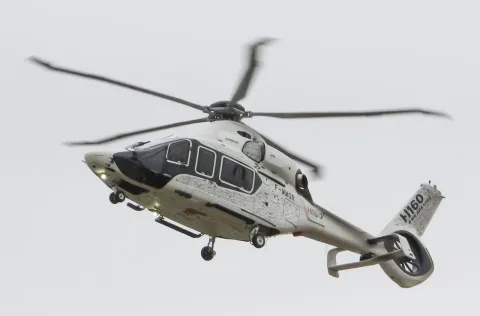
Airbus Helicopters
H160M Guepard
ADASI
Jeniah
Mazagon Dock Shipbuilders Limited
Kalvari class
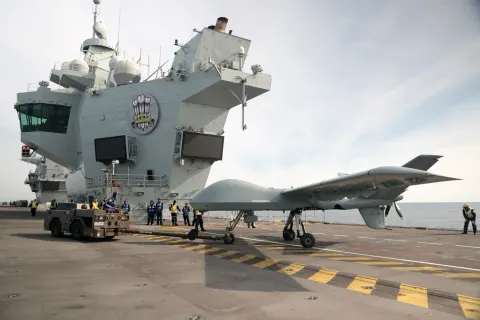
General Atomics Aeronautical Systems
Mojave STOL
Quantum Systems
Vector AI
Tekever
AR3 EVO
MBDA
Akeron RCX50
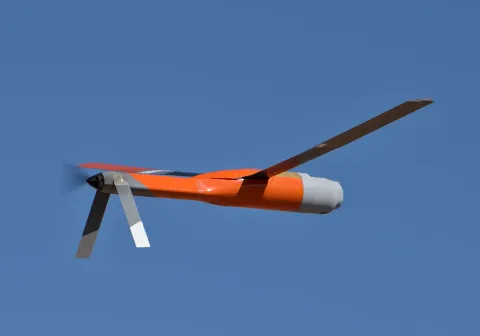
Anduril Industries
ALTIUS-600
General Robotics
General Robotics DOGO
QinetiQ
QinetiQ Titan
Quantum Systems
Trinity Tactical
Red Cat Holdings, Inc.
Black Widow
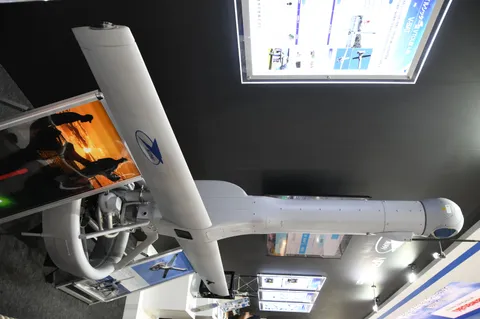
Shield AI
V-BAT
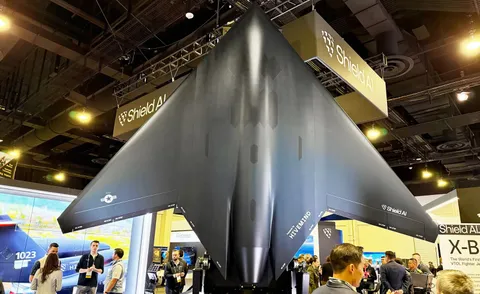
Shield AI
X-BAT
Skydio
X10D
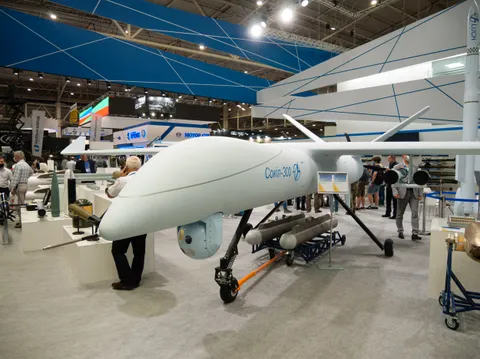
Luch Design Bureau
Sokil-300
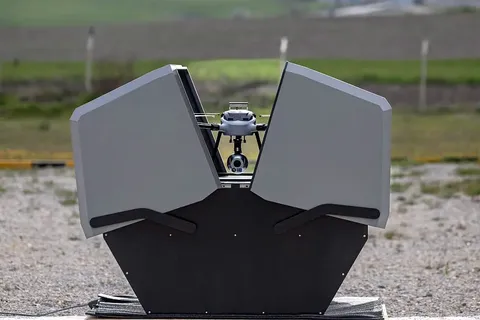
STM (Savunma Teknolojileri Mühendislik)
Togan
Tekever
AR5
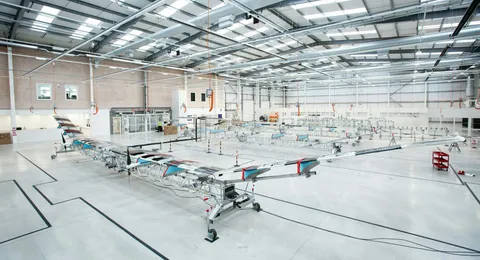
Airbus Defence and Space
Zephyr
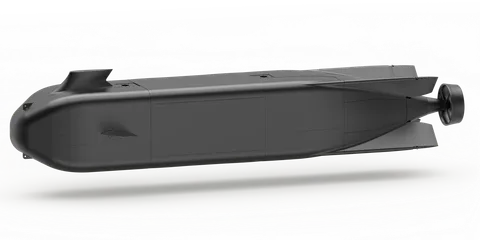
Anduril Industries
Dive-XL
Israel Aerospace Industries
IAI Jaguar

MBDA
Akeron RCH170
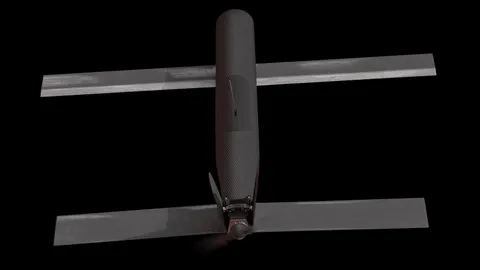
AeroVironment
Blackwing
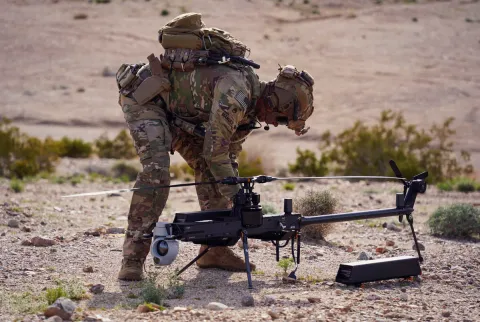
Anduril Industries
Ghost-X
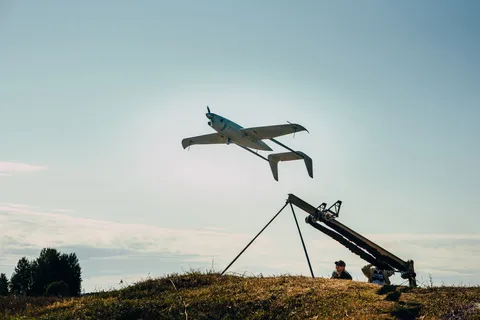
Skyeton
Raybird-3
Rheinmetall
Rheinmetall Mission Master CXT2
Rheinmetall
Rheinmetall Mission Master XT2
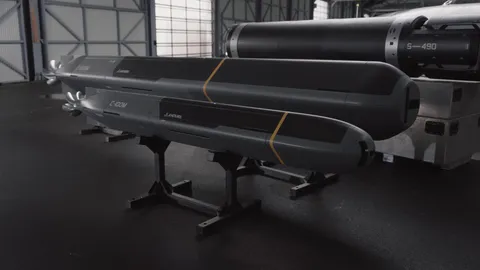
Anduril Industries
Copperhead

Anduril Industries
Sentry Tower
ADASI
Garmoosha
Israel Aerospace Industries
IAI REX MK II
Israel Aerospace Industries
IAI RoBattle (ELA-6681)
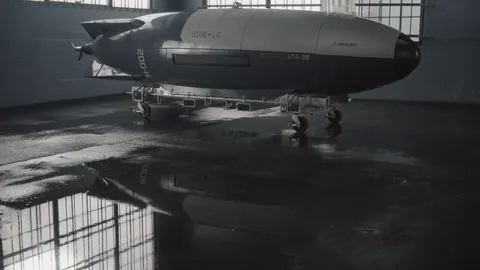
Anduril Industries
Dive-LD
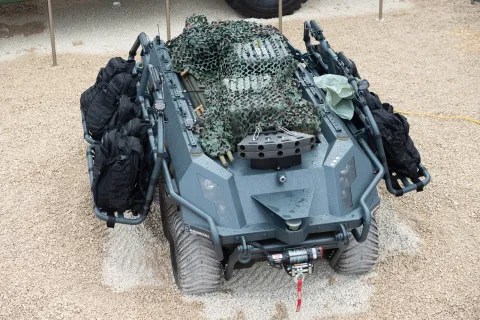
Rheinmetall
Mission Master (A-UGV)
Saronic Technologies
Spyglass
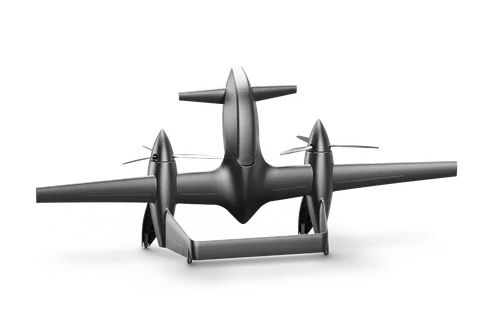
Anduril Industries
Omen
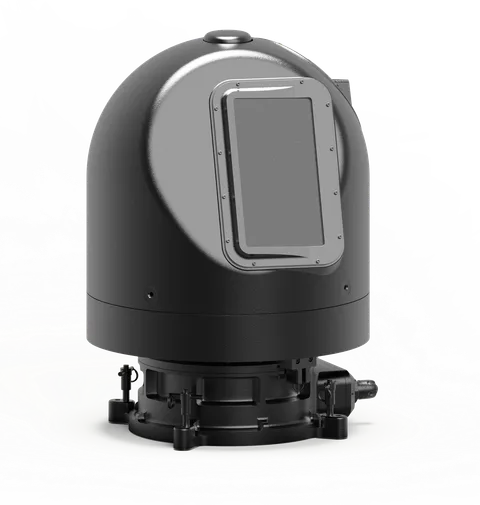
Anduril Industries
Wisp
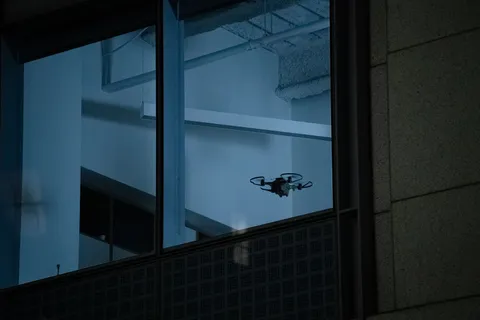
Shield AI
Nova 2
Sierra Nevada Corporation
RAPCON-X
Thales Group
Thales Guardian Angel
Palantir Technologies
Gotham
Palantir Technologies
Maven Smart System
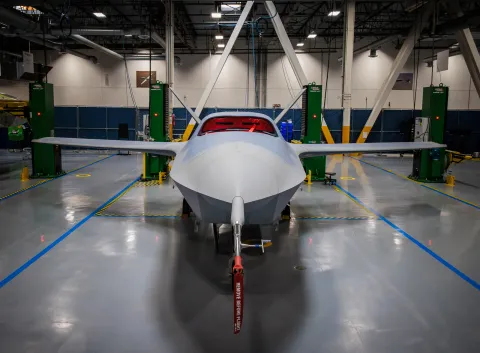
General Atomics Aeronautical Systems
YFQ-42A (Dark Merlin)
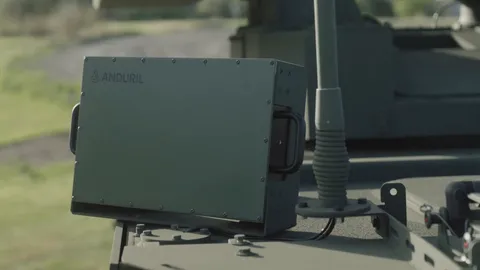
Anduril Industries
Spark
Saudi Arabian Military Industries (SAMI)
HEET 4x4
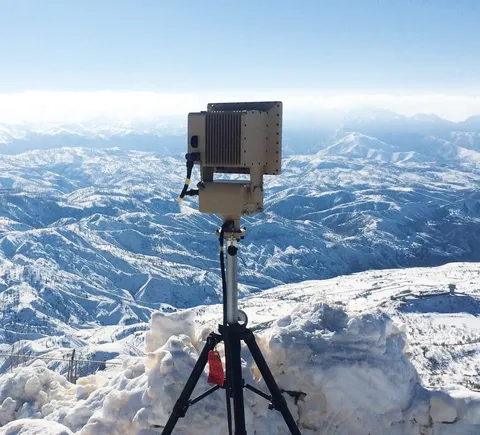
Meteksan Savunma
Retinar
Frequently asked questions
- What is the single most important ISR spec?
- Endurance. A platform that can loiter for 20-plus hours delivers persistent coverage that a faster but shorter-legged aircraft cannot match, regardless of sensor quality.
- Do ISR platforms need to be stealthy?
- Only for contested-airspace missions. Permissive-environment ISR (counter-insurgency, border surveillance) prioritizes endurance and sensor range over signature reduction.