Systems for infantry combat
Infantry combat weapons are sized and weighted for a dismounted soldier to carry and fire accurately over hours. The specs that matter are caliber and muzzle velocity (terminal effect and range), rate of fire (suppression versus ammunition economy), and weight (soldier load and controllability). The best rifle on paper is worthless if a unit cannot carry enough ammunition for it.
212 matching systems in our database.
What matters for infantry combat
- ●Caliber and muzzle velocity: terminal ballistics and effective range against the intended target set.
- ●Rate of fire: cyclic rate trades suppression capability against ammunition consumption and barrel heat.
- ●Barrel length: longer barrels improve velocity and accuracy; shorter barrels improve handling in close quarters and vehicles.
- ●Ammunition capacity: standard magazine size, which sets how often a soldier must reload under fire.
Infantry Combat systems in our database
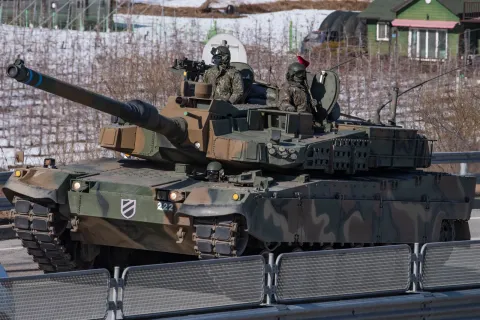
Hyundai Rotem
K2 Black Panther
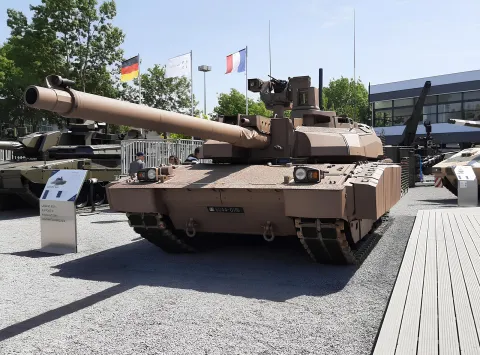
KNDS
Leclerc XLR
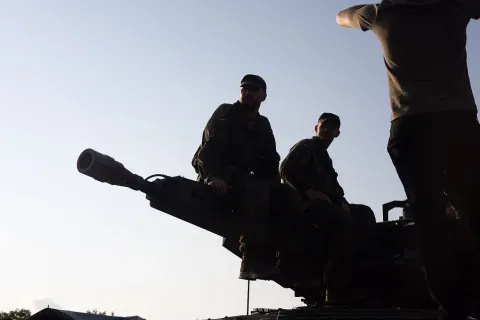
KNDS
Leopard 2A7
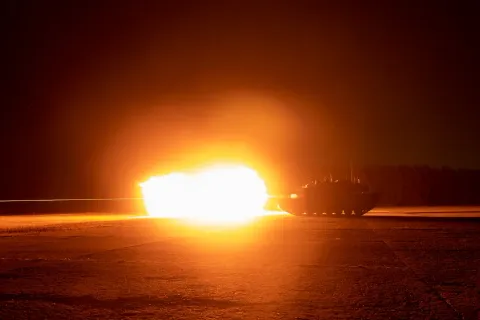
General Dynamics Land Systems
M1A2 SEP v3 Abrams
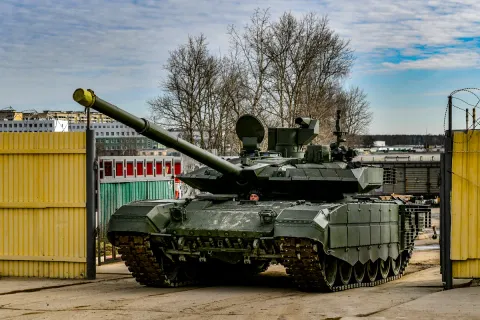
Uralvagonzavod
T-90M
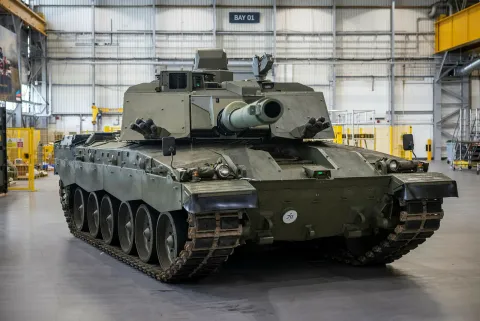
Rheinmetall BAE Systems Land (RBSL)
Challenger 3
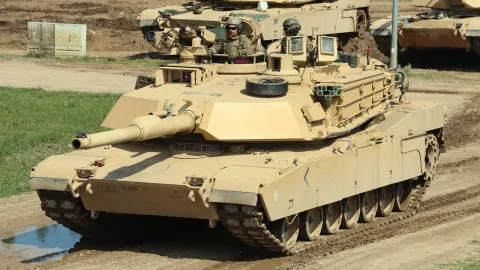
General Dynamics Land Systems
M1A2 SEP v2 Abrams
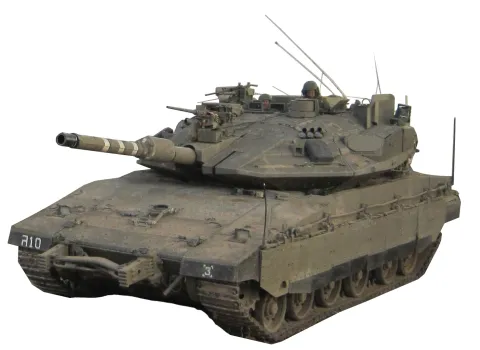
MANTAK (Merkava Tank Office)
Merkava Mk4
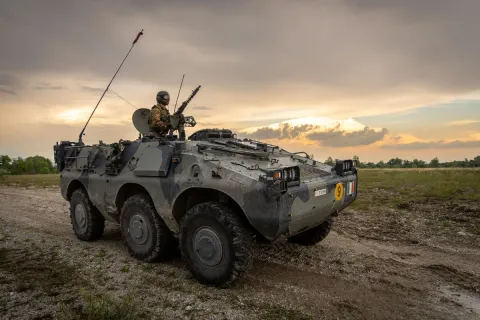
Rheinmetall
Puma
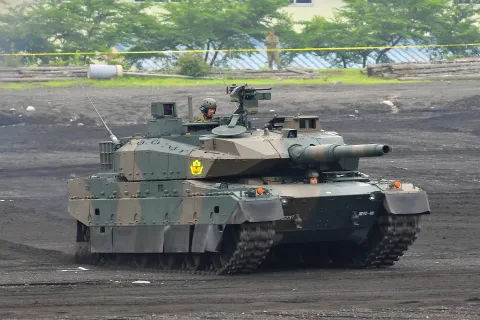
Mitsubishi Heavy Industries
Type 10
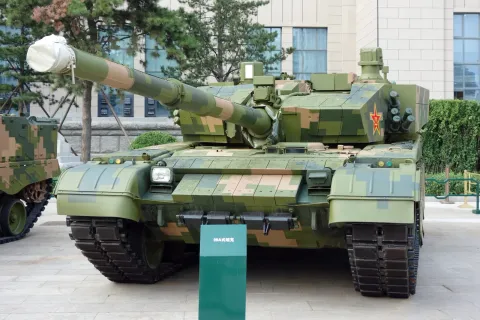
NORINCO
Type 99A
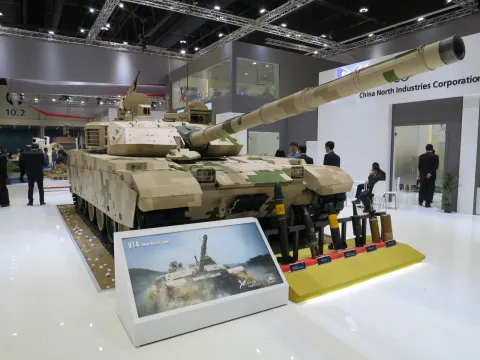
NORINCO
VT-4
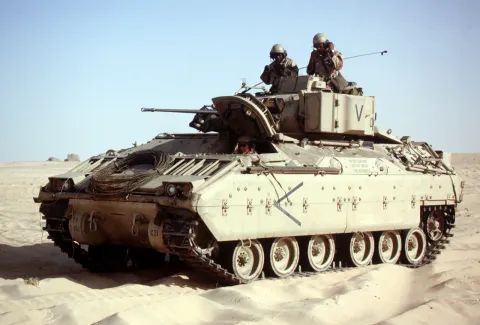
BAE Systems Inc. (US Land Systems)
M2A3 Bradley
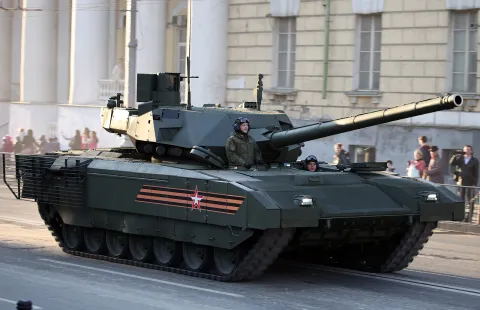
Uralvagonzavod
T-14 Armata
Uralvagonzavod
T-90A
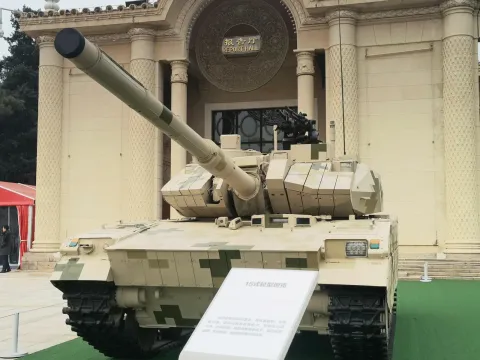
NORINCO
Type 15
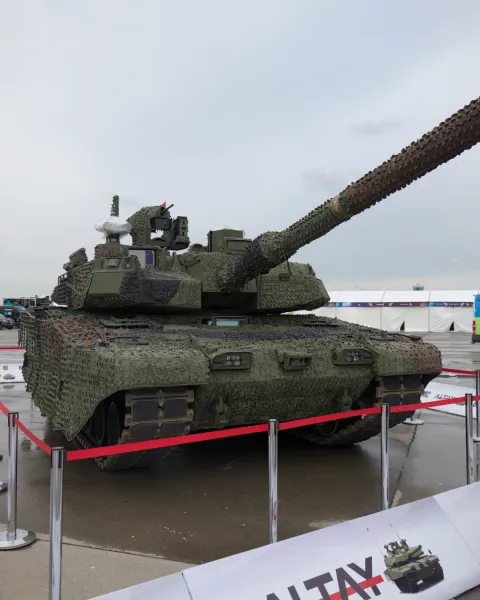
BMC Defense
Altay
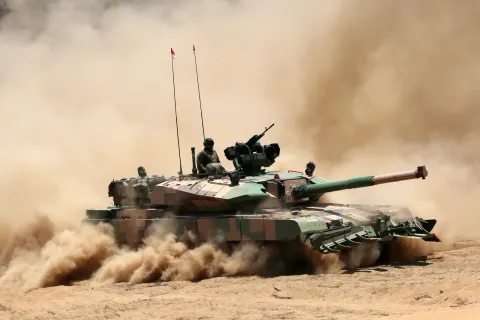
Defence Research and Development Organisation
Arjun Mk1A
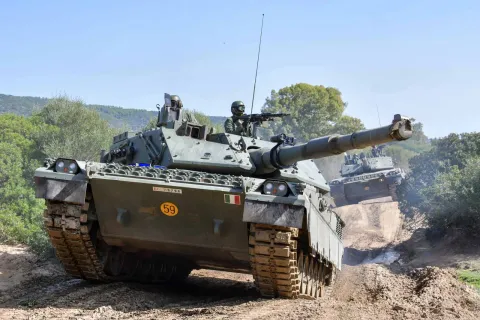
Leonardo
C1 Ariete
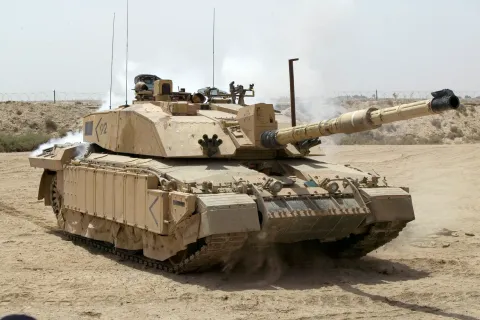
Rheinmetall BAE Systems Land (RBSL)
Challenger 2
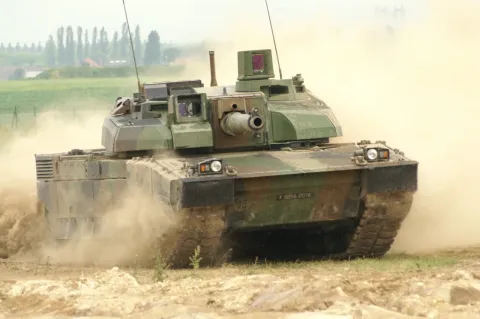
KNDS
Leclerc
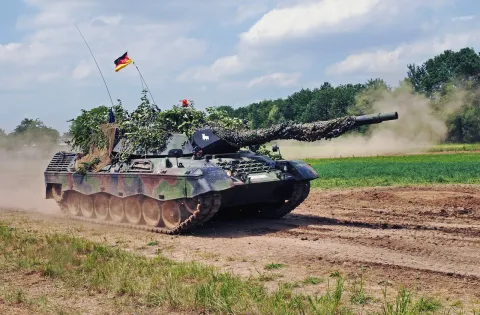
KNDS
Leopard 1A5
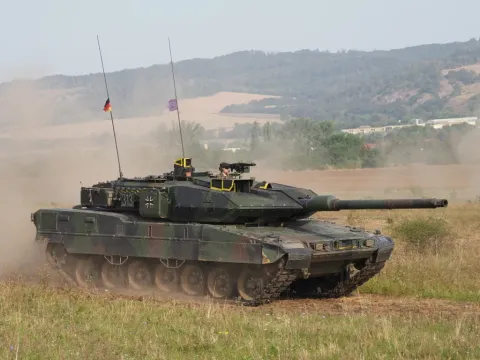
KNDS
Leopard 2A4
KNDS
Leopard 2A5
KNDS
Leopard 2A6
General Dynamics Land Systems
M1A1 Abrams
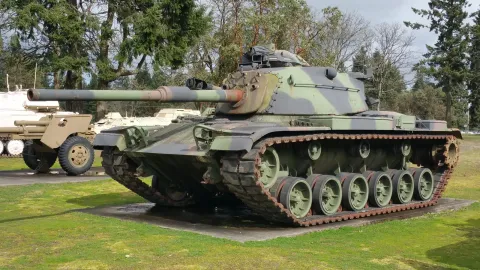
General Dynamics Land Systems
M60A3 Patton
MANTAK (Merkava Tank Office)
Merkava Mk3
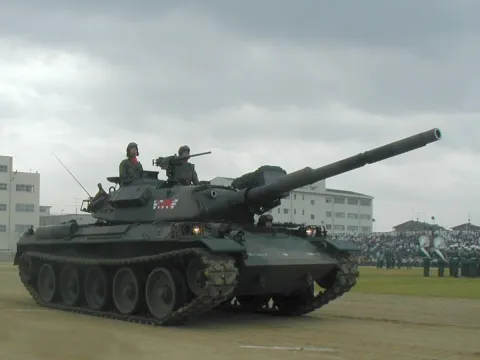
Mitsubishi Heavy Industries
Type 74
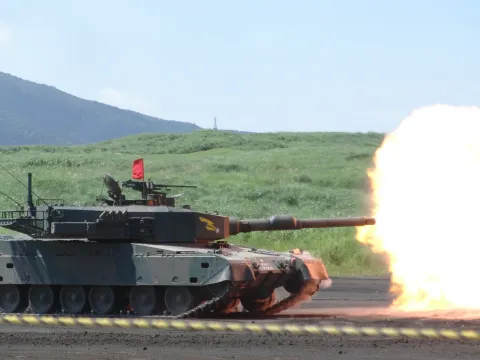
Mitsubishi Heavy Industries
Type 90 Kyu-maru
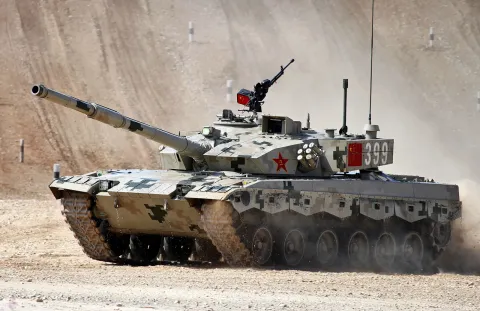
NORINCO
Type 96B
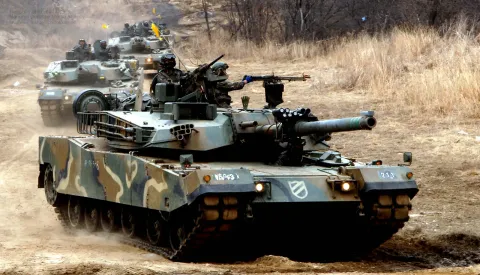
Hyundai Rotem
K1A2
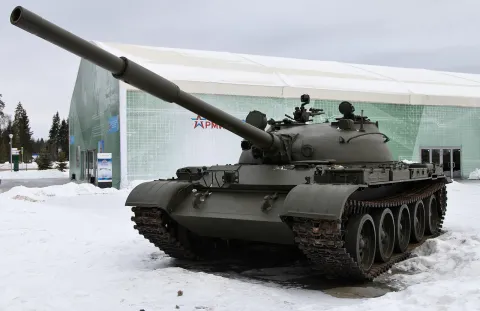
Uralvagonzavod
T-62M
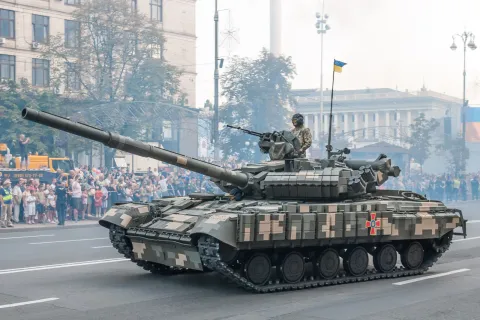
Morozov Kharkiv Machine Building Design Bureau
T-64BV
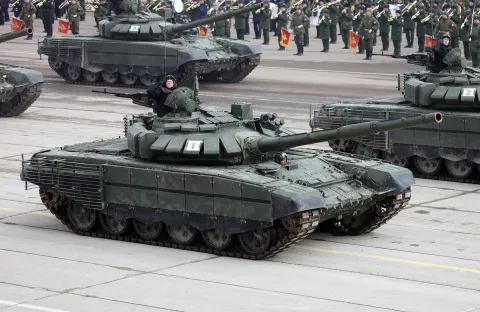
Uralvagonzavod
T-72B3
Uralvagonzavod
T-72B3M
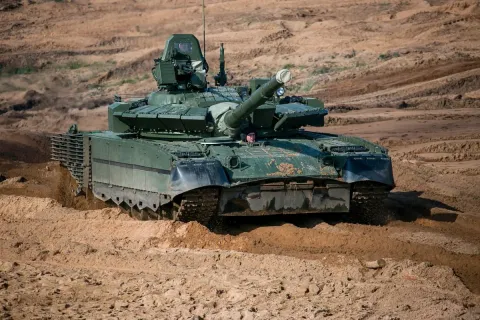
Uralvagonzavod
T-80BVM
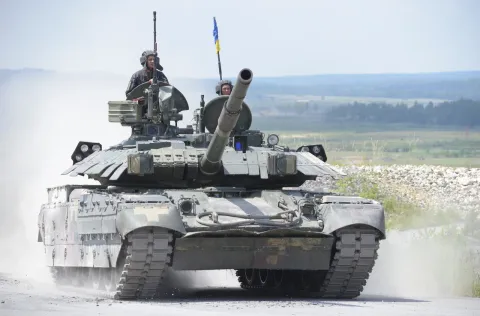
Morozov Kharkiv Machine Building Design Bureau
T-84 Oplot
Uralvagonzavod
T-90M obr. 2022
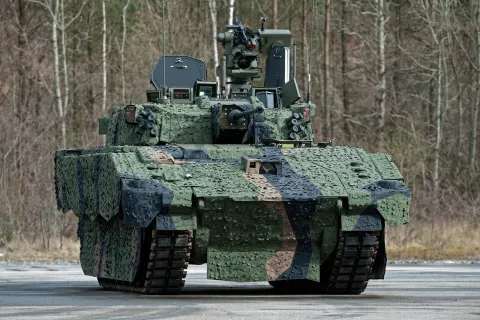
General Dynamics Land Systems
Ajax
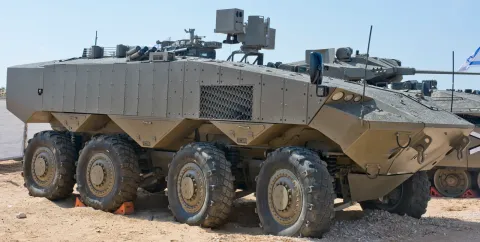
MANTAK (Merkava Tank Office)
Eitan
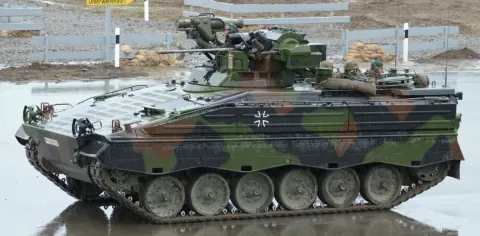
Rheinmetall
Marder
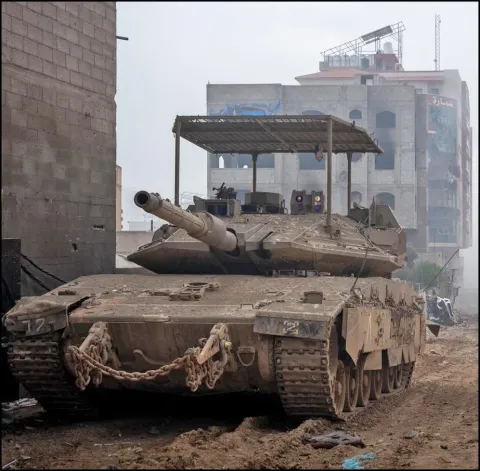
MANTAK (Merkava Tank Office)
Merkava Barak
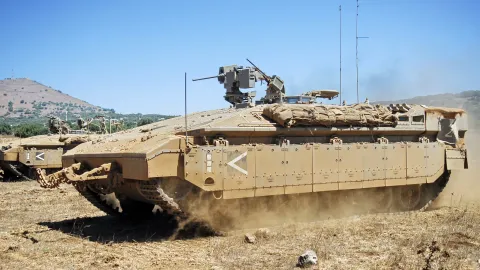
MANTAK (Merkava Tank Office)
Namer
Uralvagonzavod
T-80U
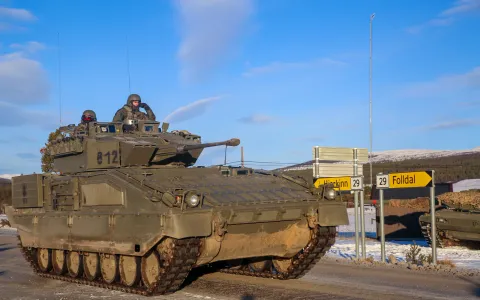
Santa Barbara Sistemas
ASCOD
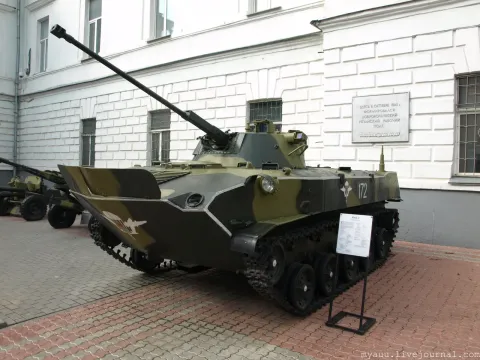
Kurganmashzavod
BMD-2
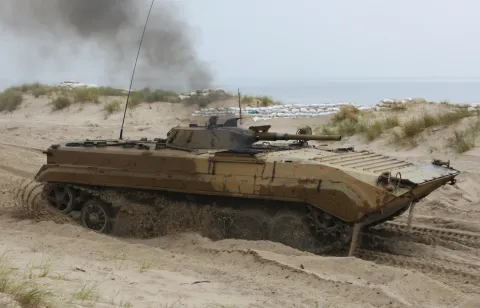
Kurganmashzavod
BMP-1
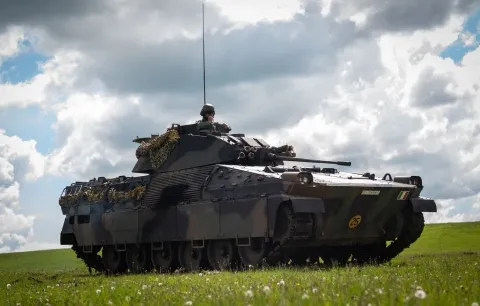
Iveco Defence Vehicles
Dardo
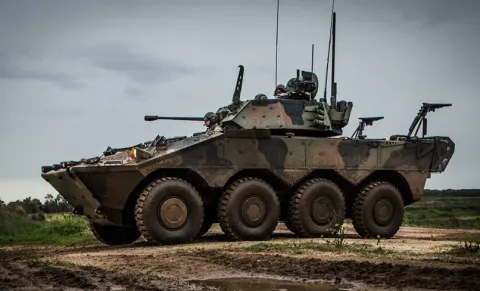
Iveco Defence Vehicles
Freccia
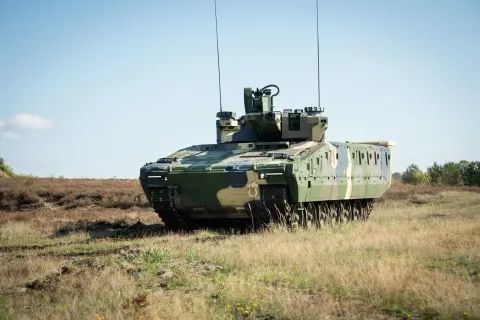
Rheinmetall
Lynx KF41
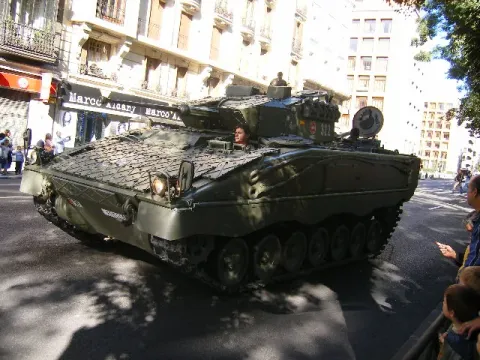
Santa Barbara Sistemas
Pizarro
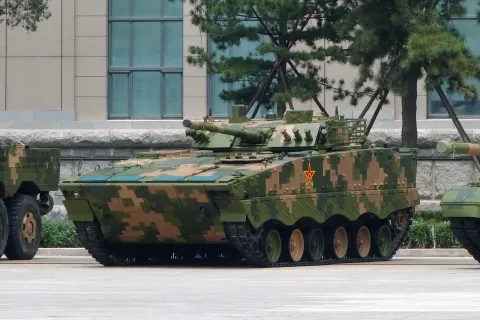
NORINCO
ZBD-04A
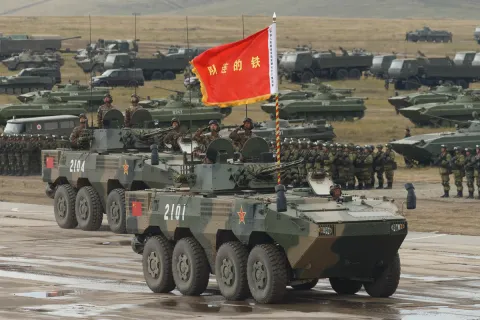
NORINCO
ZBL-08
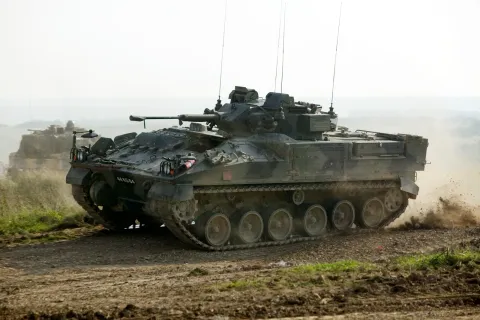
BAE Systems
Warrior IFV
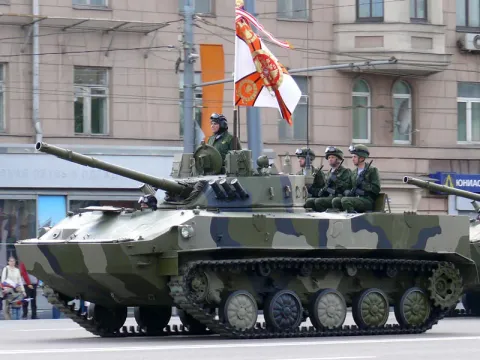
Kurganmashzavod
BMD-4M
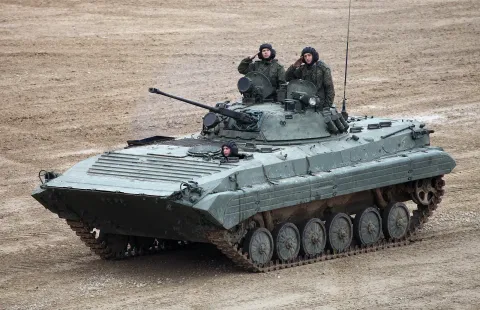
Kurganmashzavod
BMP-2
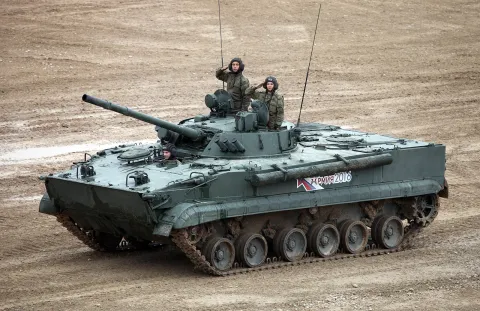
Kurganmashzavod
BMP-3
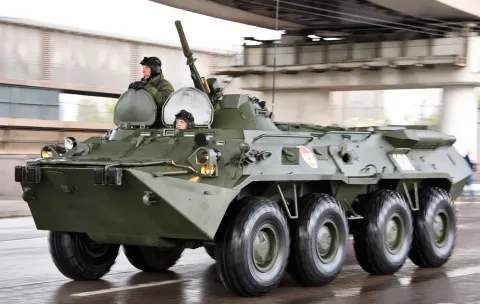
Kurganmashzavod
BTR-82A
MANTAK (Merkava Tank Office)
Merkava Mk1
MANTAK (Merkava Tank Office)
Merkava Mk2
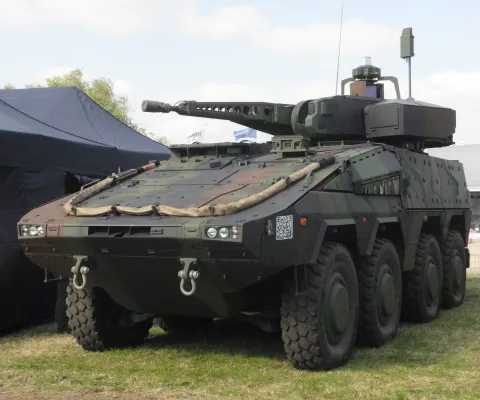
Rheinmetall
Boxer
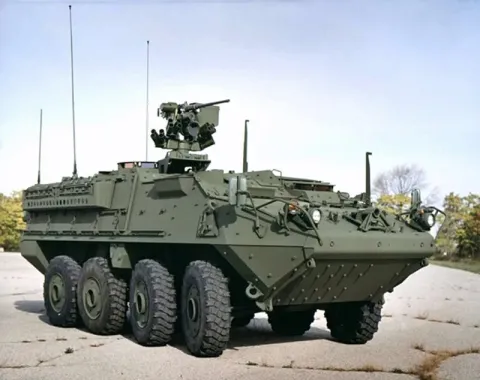
General Dynamics Land Systems
M1126 Stryker
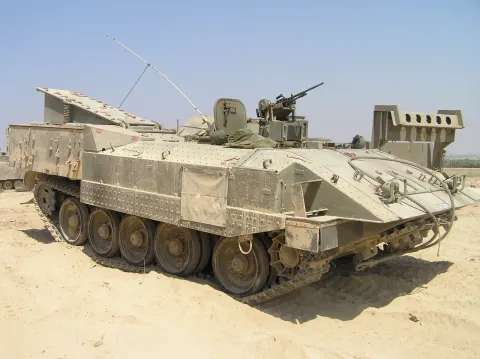
MANTAK (Merkava Tank Office)
Achzarit
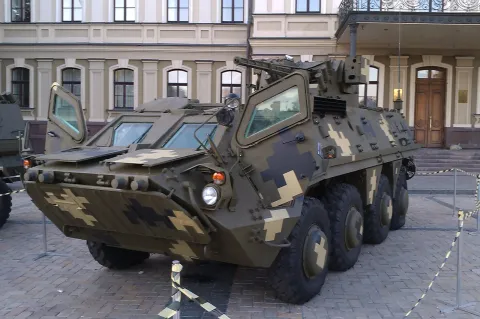
Morozov Kharkiv Machine Building Design Bureau
BTR-4
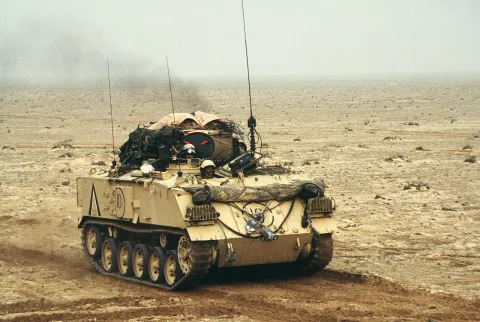
BAE Systems
FV432
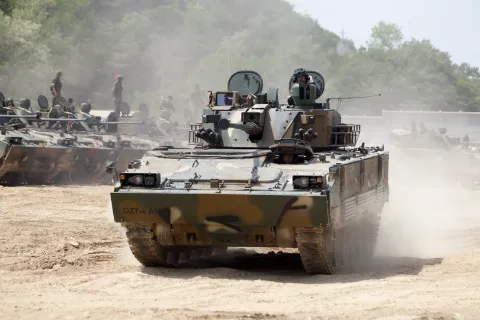
Hanwha Aerospace
K21
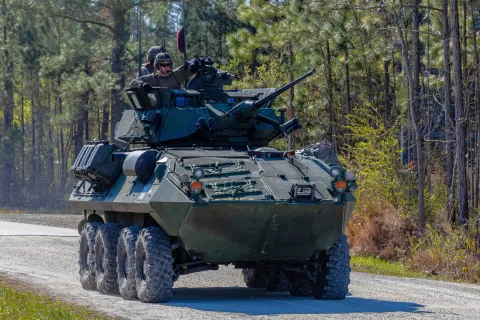
General Dynamics Land Systems
LAV-25
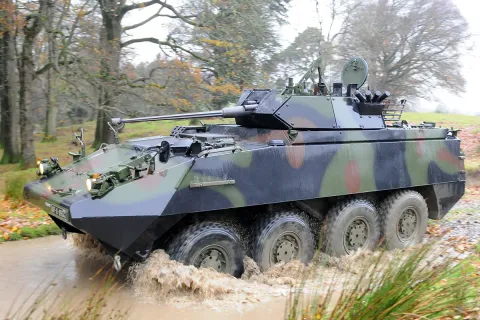
MOWAG
Piranha III
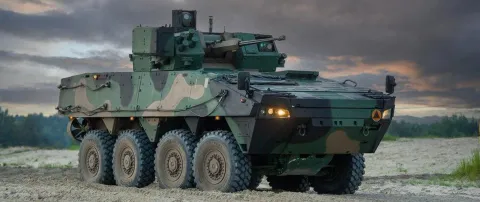
Polska Grupa Zbrojeniowa
Rosomak
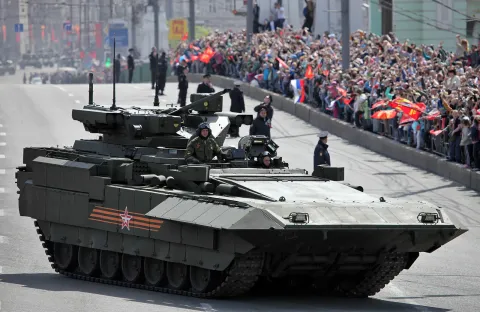
Uralvagonzavod
T-15
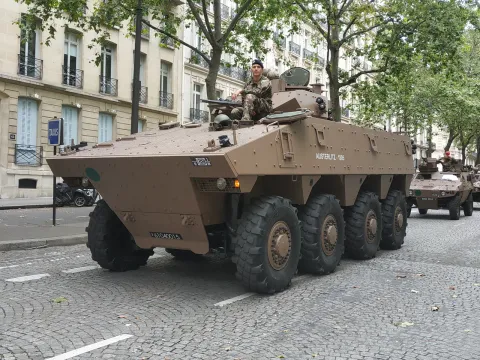
KNDS
VBCI
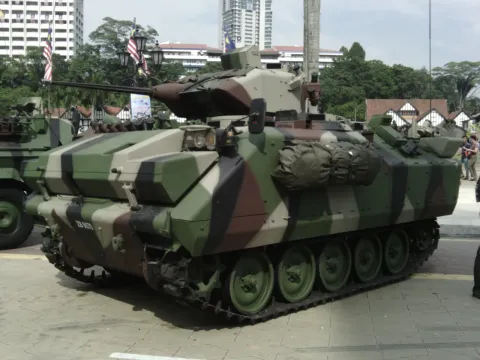
FNSS Defence Systems
ACV-15
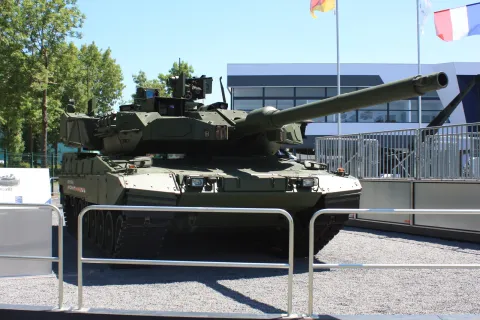
KNDS
Leopard 2A8
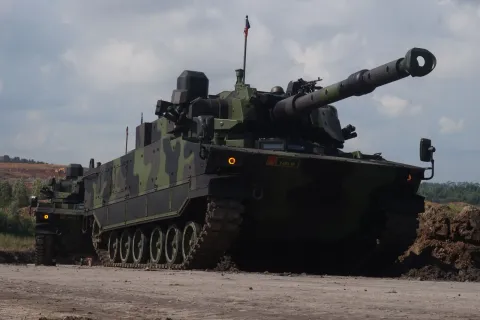
PT Pindad
Harimau
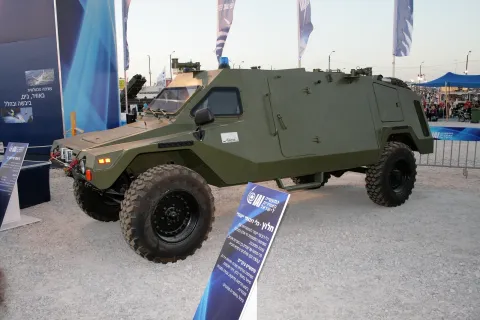
Israel Aerospace Industries
RAM 2000 Sandcat
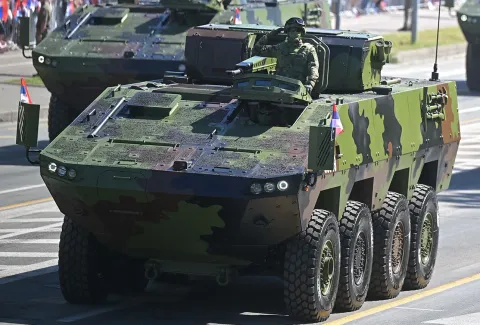
Yugoimport SDPR
Lazar 3
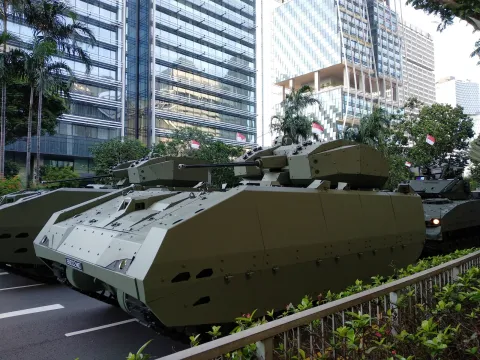
ST Engineering Land Systems
Hunter AFV
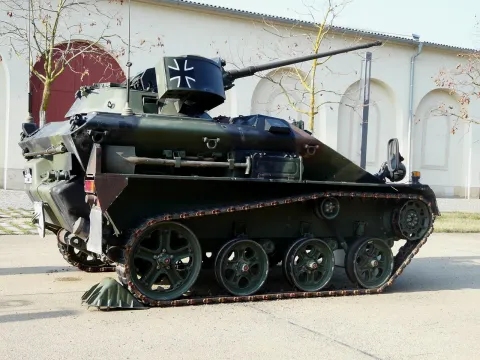
Rheinmetall
Wiesel
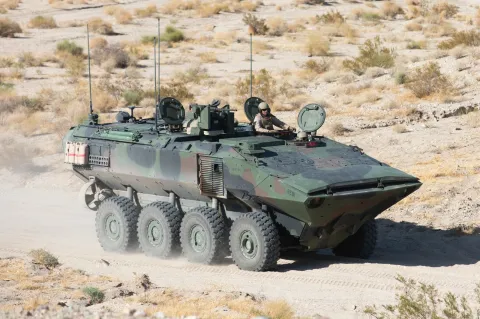
BAE Systems Inc. (US Land Systems)
Amphibious Combat Vehicle (ACV)
Arquus
VAB Mk3
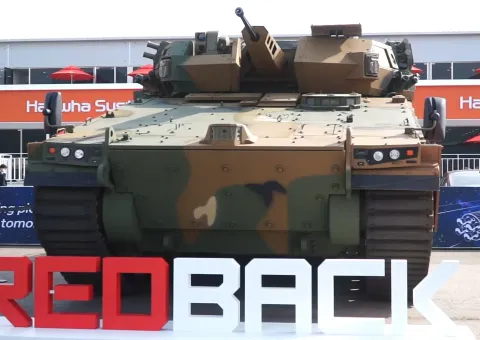
Hanwha Aerospace
AS21 Redback
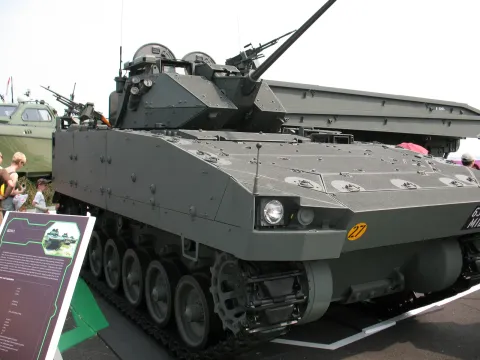
ST Engineering Land Systems
Bionix
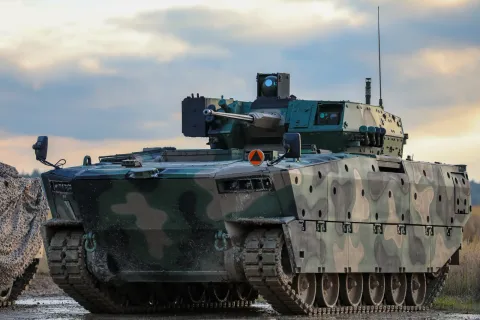
Huta Stalowa Wola
Borsuk
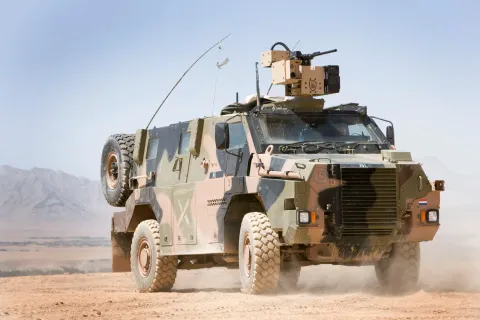
Thales Group
Bushmaster
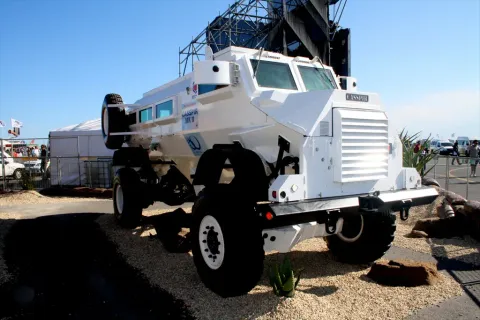
Denel Aviation
Casspir
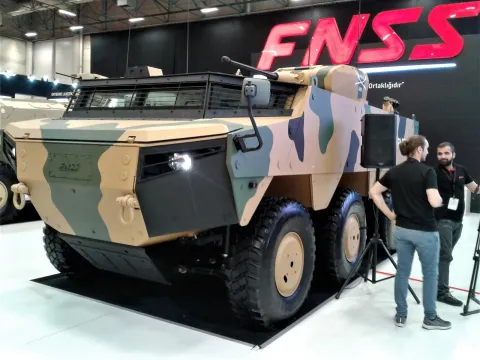
FNSS Defence Systems
PARS 6x6
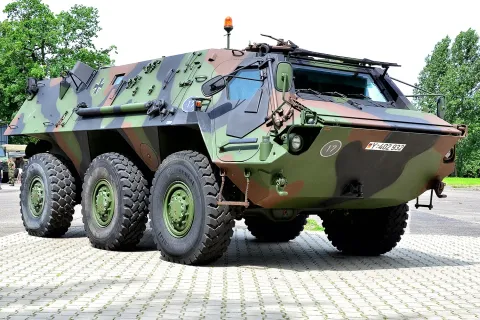
Rheinmetall
Fuchs
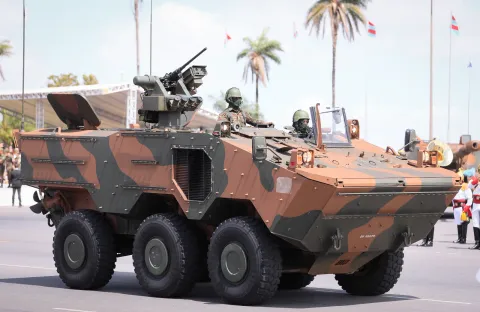
Iveco Defence Vehicles
VBTP-MR Guarani
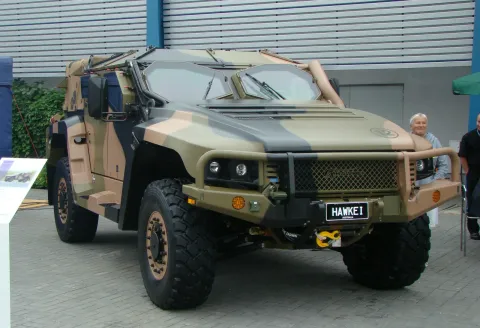
Thales Group
Hawkei
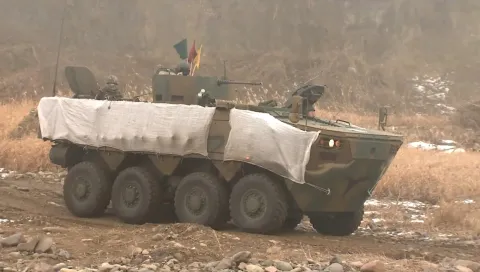
Hyundai Rotem
K808 White Tiger
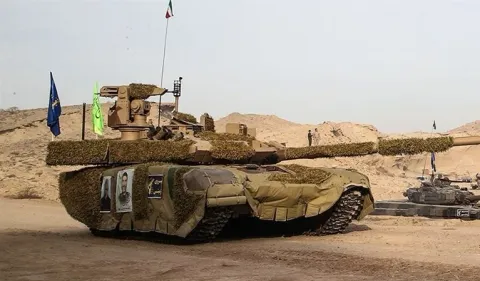
Defense Industries Organization (Iran)
Karrar
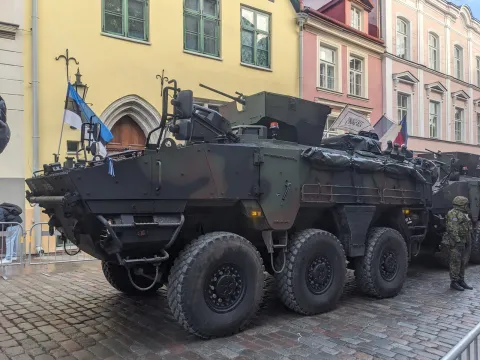
Otokar
Arma
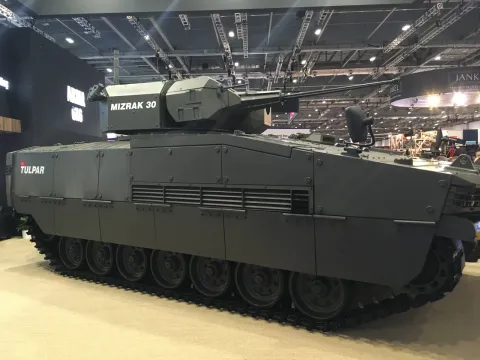
Otokar
Tulpar
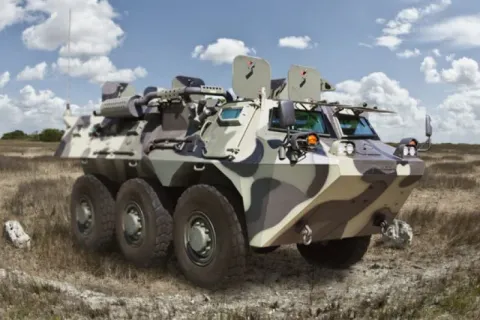
PT Pindad
Anoa
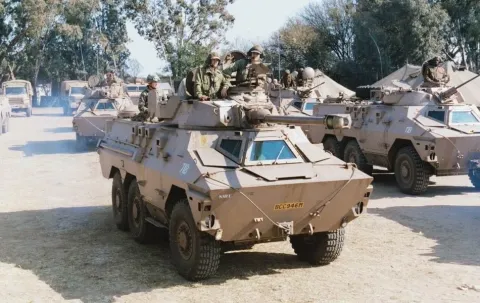
Denel Aviation
Ratel
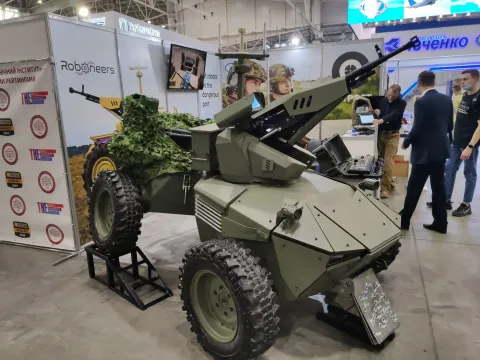
Roboneers
Roboneers Ironclad
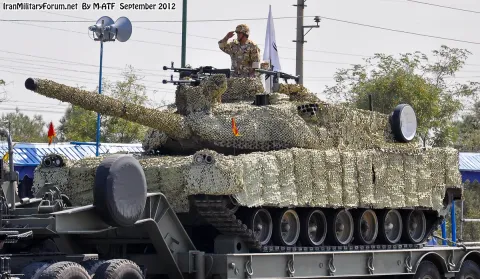
Defense Industries Organization (Iran)
Zolfaghar
Aselsan
ASELSAN Aslan
HAVELSAN
HAVELSAN Barkan-3
Katmerciler
Katmerciler UKAP
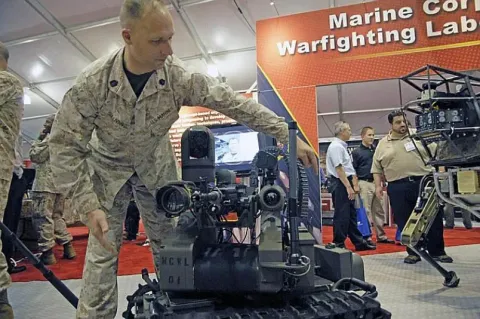
QinetiQ
QinetiQ MAARS
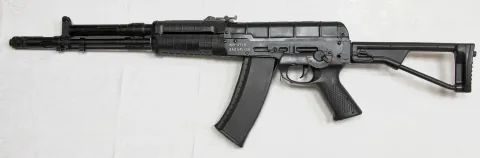
Tula Arms Plant
AEK-971
Kalashnikov Concern
AK-47
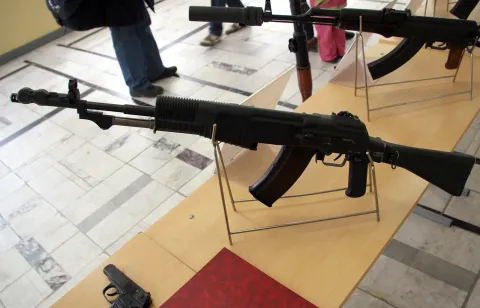
Tula Arms Plant
AN-94 Abakan
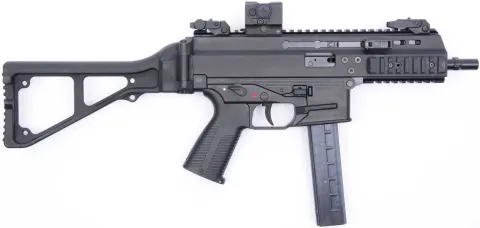
Brugger & Thomet
APC9
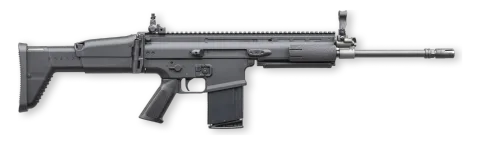
FN Herstal
FN SCAR-H
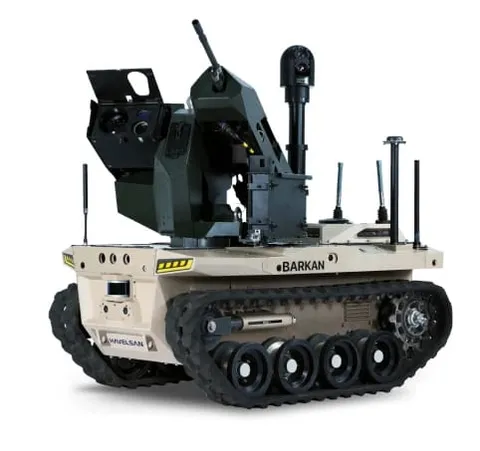
HAVELSAN
Barkan
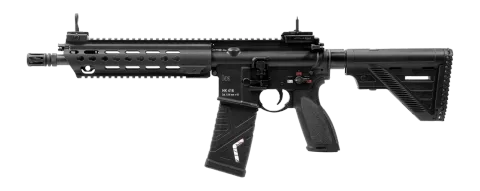
Heckler & Koch
HK416 A5
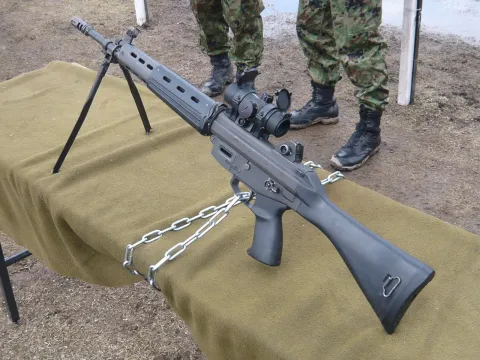
Howa Machinery
Type 89
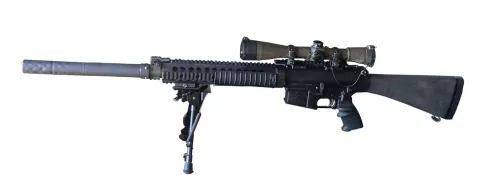
Knight's Armament Company
SR-25
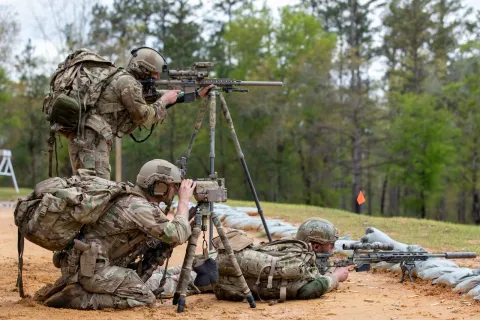
Knight's Armament Company
M110 SASS
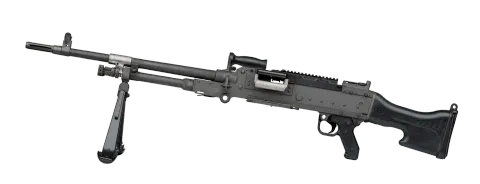
FN Herstal
M240
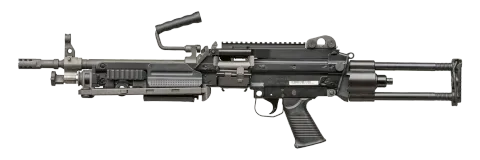
FN Herstal
M249 SAW
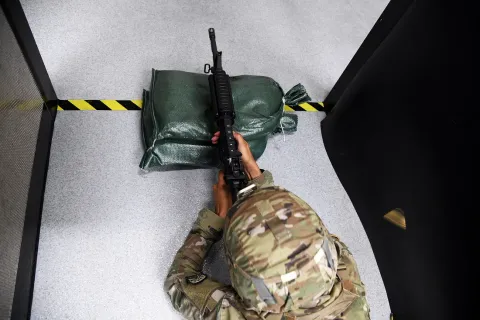
Colt
M4A1
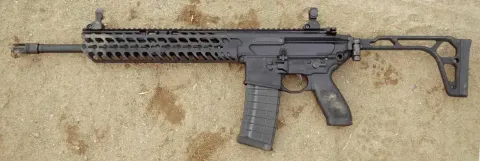
SIG Sauer
MCX Spear LT
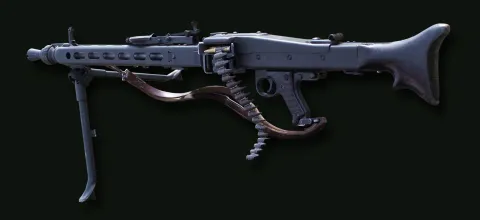
Heckler & Koch
MG3
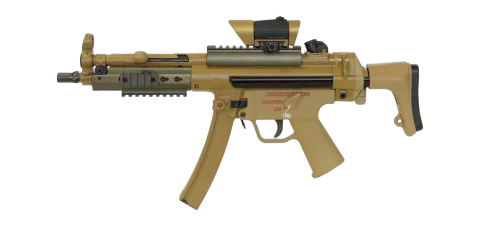
Heckler & Koch
MP5
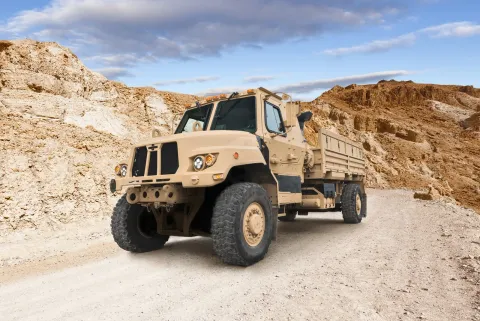
Oshkosh Defense
FMTV A2 (Family of Medium Tactical Vehicles)
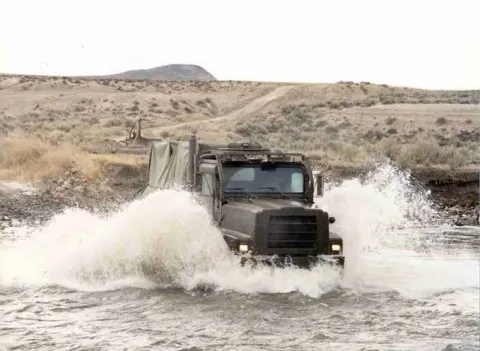
Oshkosh Defense
MTVR (Medium Tactical Vehicle Replacement)
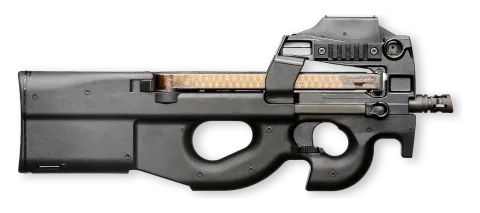
FN Herstal
P90
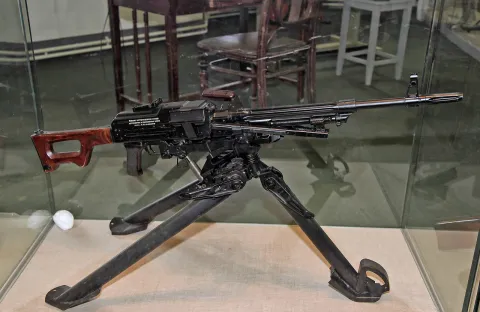
Kalashnikov Concern
PKM
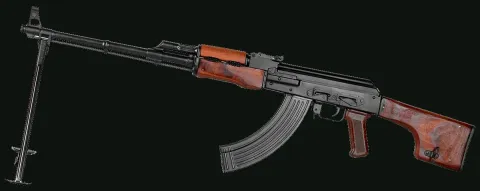
Kalashnikov Concern
RPK-16
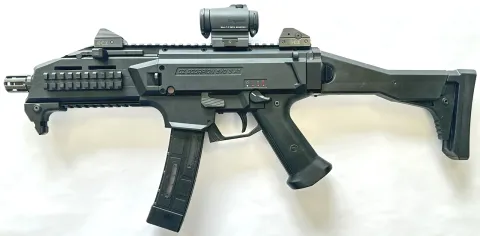
Ceska zbrojovka (CZ)
Scorpion EVO 3
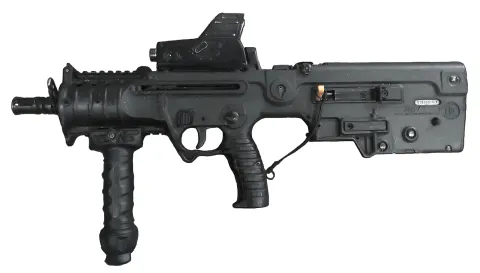
IWI
Tavor X95
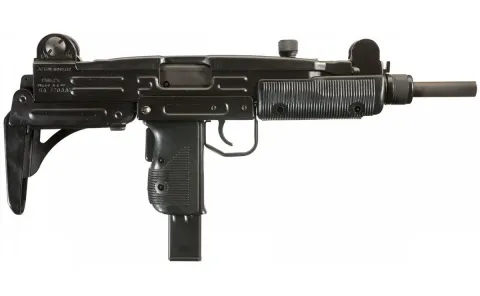
IWI
Uzi
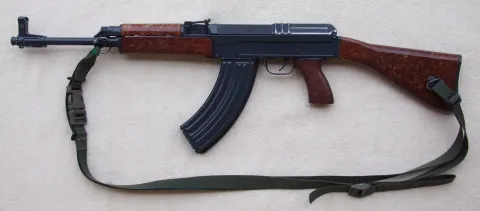
Ceska zbrojovka (CZ)
vz. 58
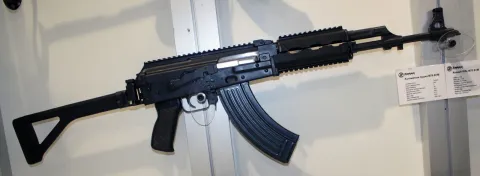
Zastava Arms
M70
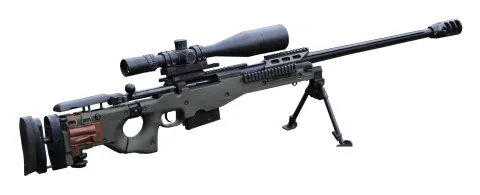
Accuracy International
Arctic Warfare Magnum (AWM)
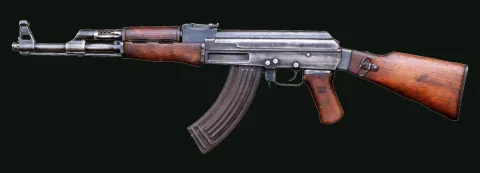
Kalashnikov Concern
AK-103
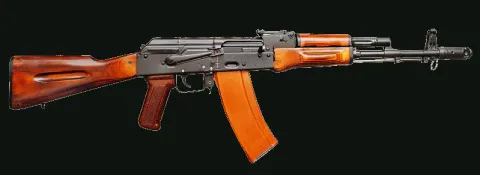
Kalashnikov Concern
AK-74
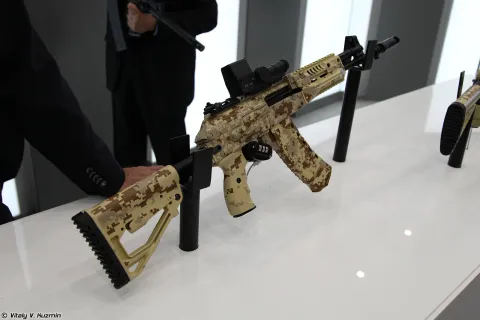
Kalashnikov Concern
AK-12
Kalashnikov Concern
AK-74M
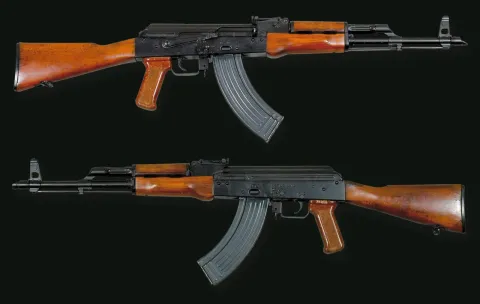
Kalashnikov Concern
AKM
Beretta
AR70/90
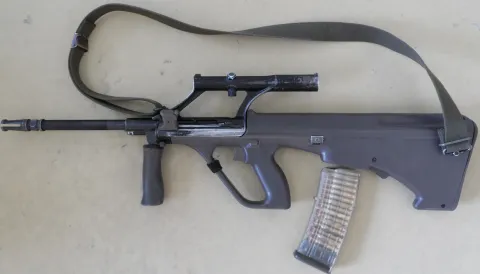
Steyr Arms
AUG A3
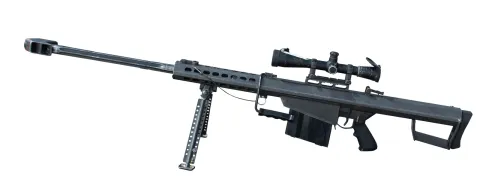
Barrett Firearms Manufacturing
M82
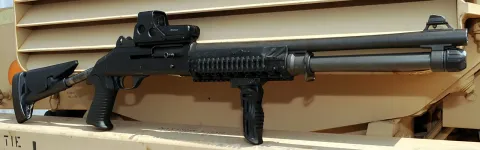
Benelli Armi
M4
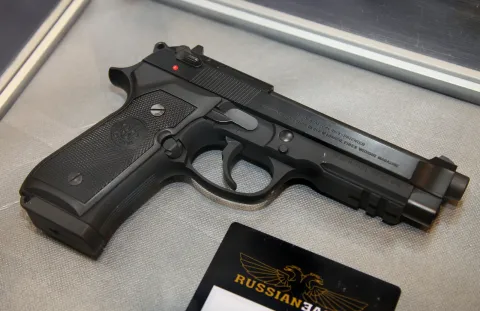
Beretta
92FS
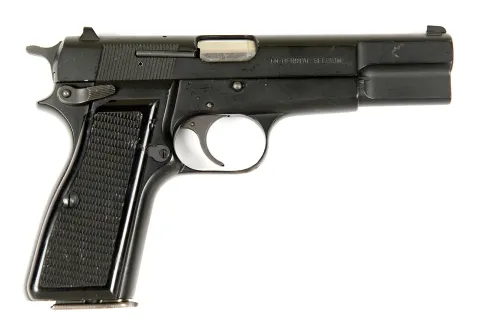
FN Herstal
Browning Hi-Power
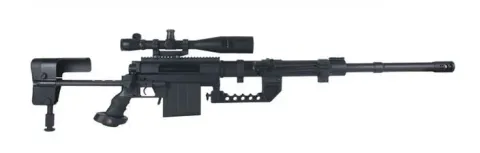
CheyTac
M200 Intervention
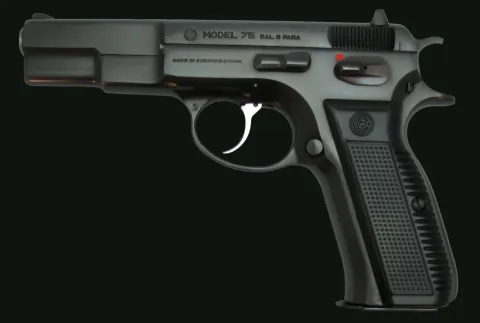
Ceska zbrojovka (CZ)
CZ 75
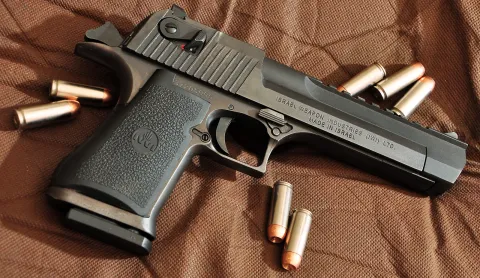
IWI
Desert Eagle
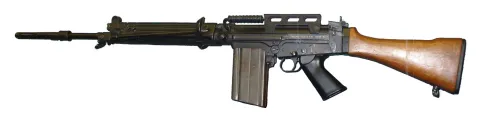
FN Herstal
FAL
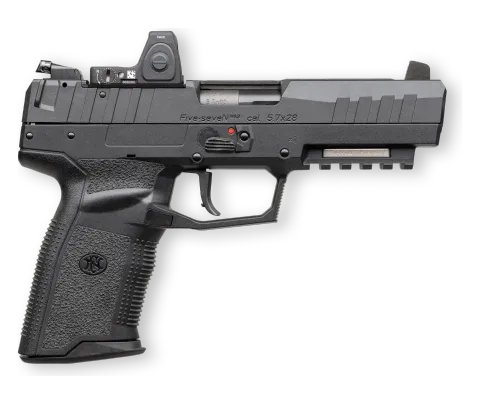
FN Herstal
Five-seveN
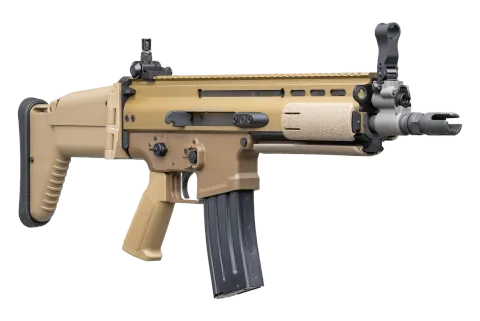
FN Herstal
SCAR-L
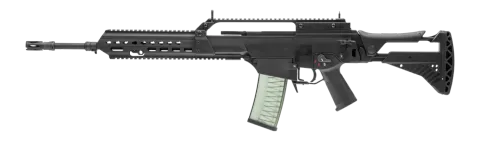
Heckler & Koch
G36
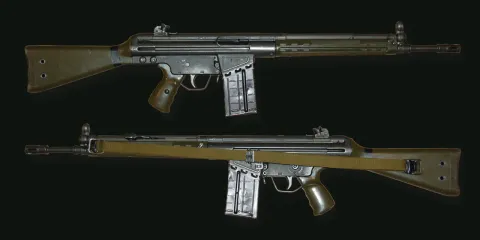
Heckler & Koch
G3
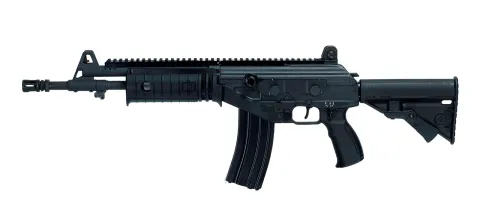
IWI
Galil ACE
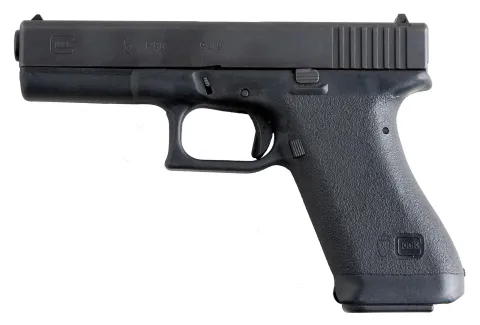
Glock
Glock 19
Glock
Glock 17
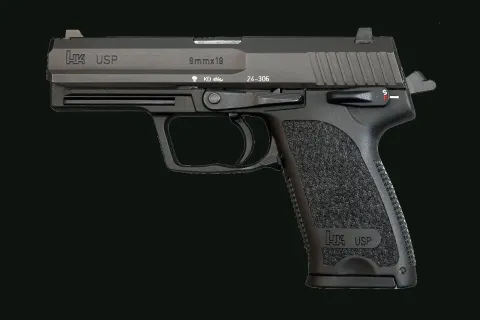
Heckler & Koch
USP
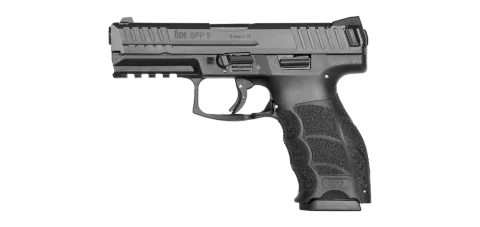
Heckler & Koch
VP9
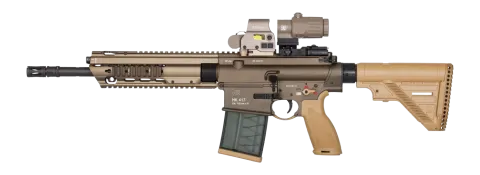
Heckler & Koch
HK417
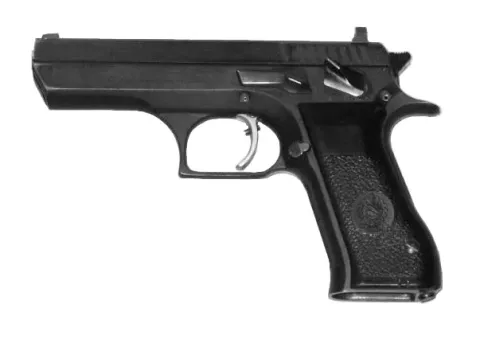
IWI
Jericho 941
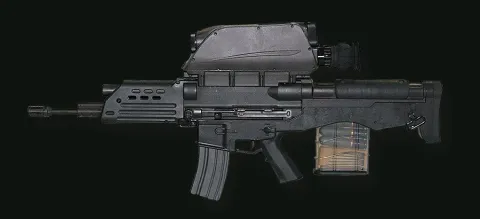
ST Motiv
K11
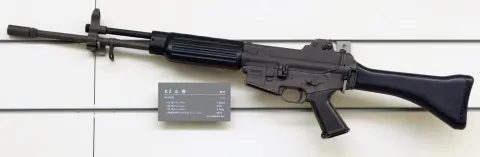
ST Motiv
K2
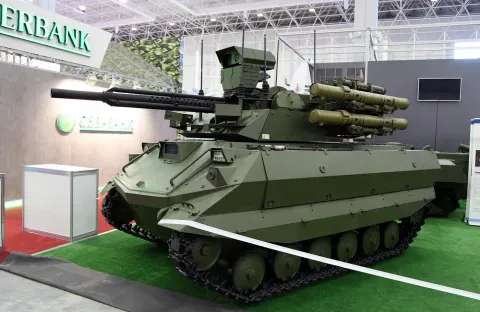
Kalashnikov Concern
Uran-9
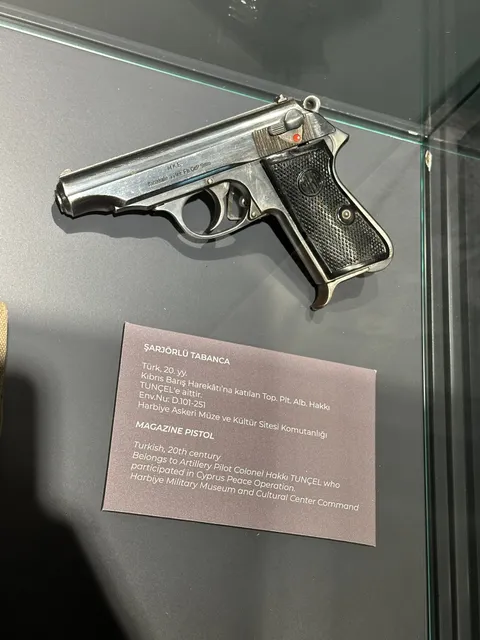
MKE
Kirikkale Kilinc 2000
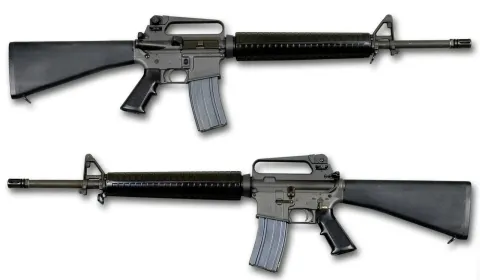
Colt
M16A4
Heckler & Koch
M27 IAR
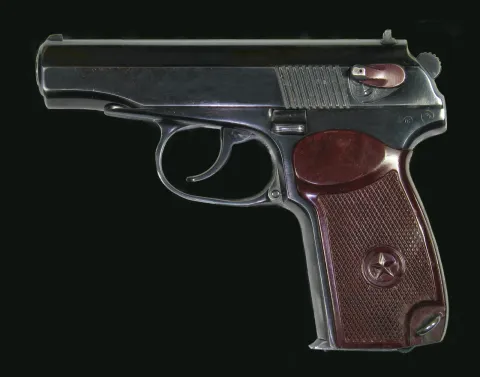
Tula Arms Plant
Pistolet Makarova (PM)
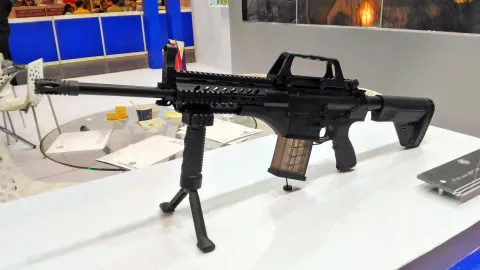
MKE
MPT-76
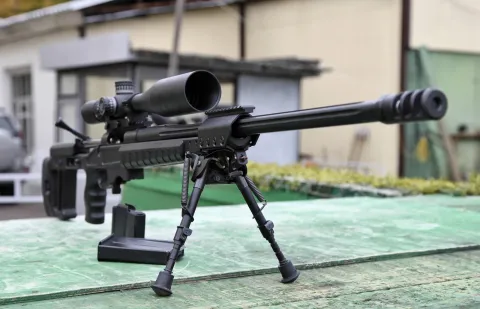
Tula Arms Plant
ORSIS T-5000
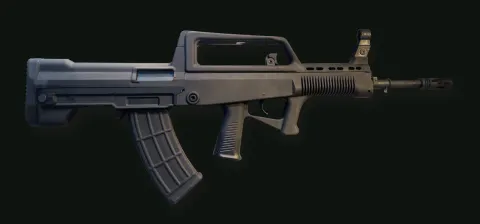
NORINCO
QBZ-95
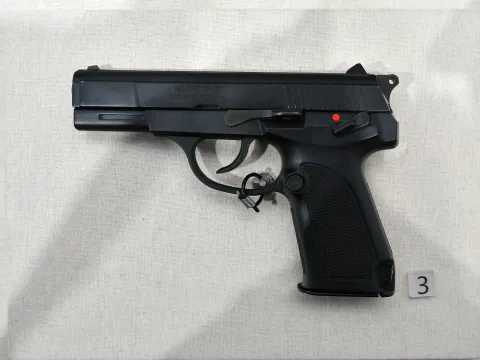
NORINCO
QSZ-92
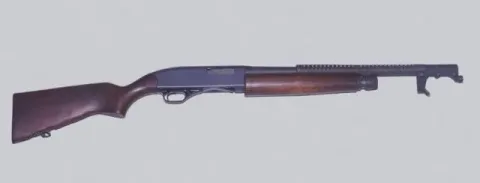
Remington Arms
870
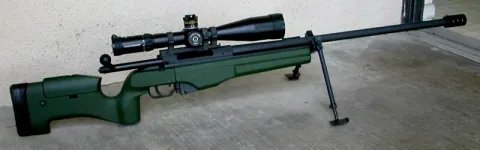
Sako
TRG-42
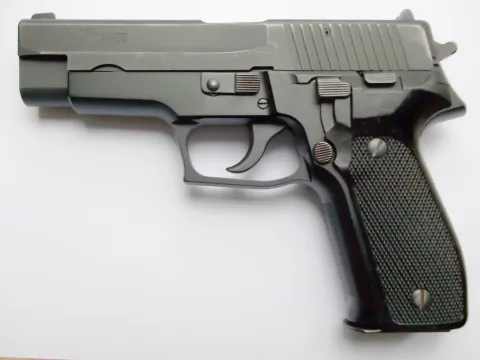
SIG Sauer
P226
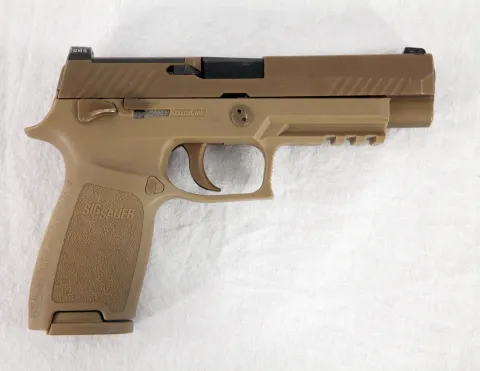
SIG Sauer
P320-M17
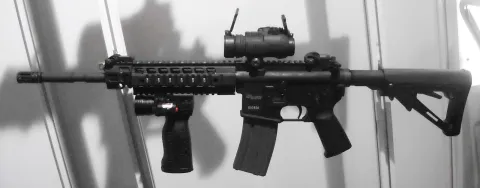
SIG Sauer
SIG516
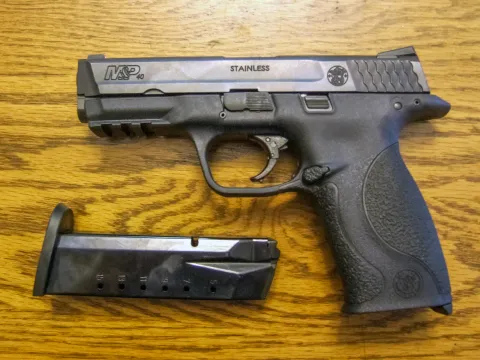
Smith & Wesson
M&P9
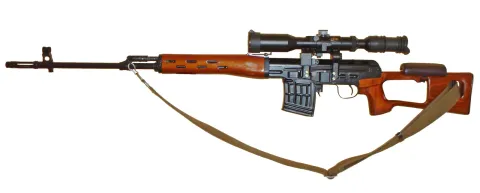
Kalashnikov Concern
SVD
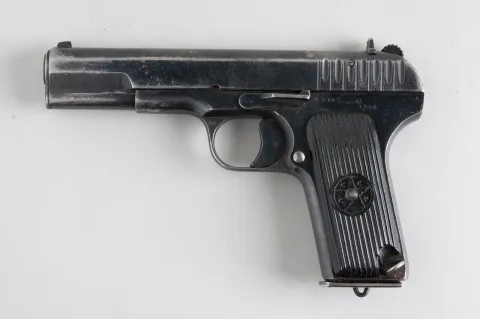
Tula Arms Plant
Tokarev TT-33
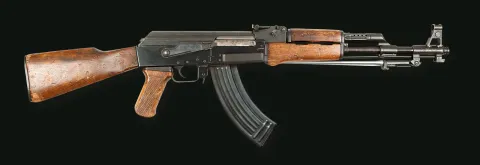
NORINCO
Type 56
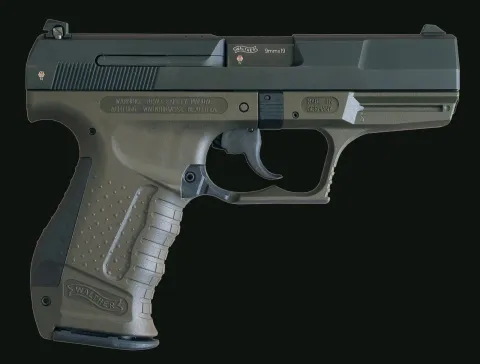
Carl Walther GmbH
P99
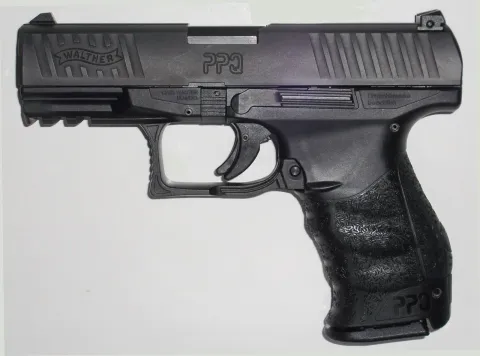
Carl Walther GmbH
PPQ
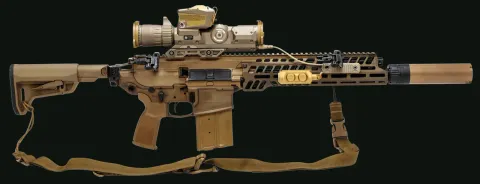
SIG Sauer
XM7
MKE
Yavuz 16
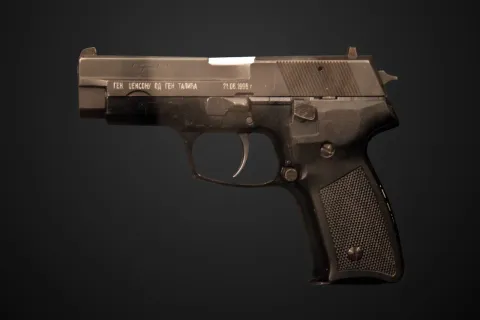
Zastava Arms
CZ99
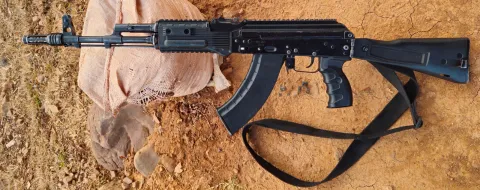
Kalashnikov Concern
AK-19
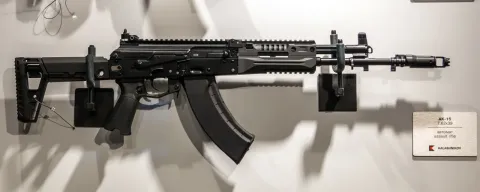
Kalashnikov Concern
AK-15
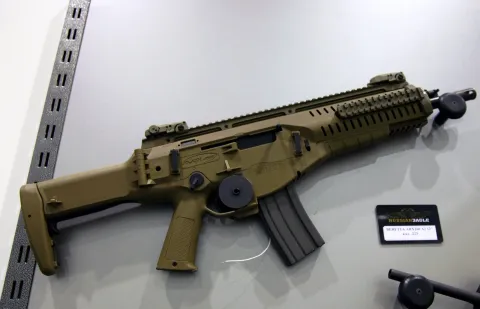
Beretta
ARX-160
Beretta
ARX-200
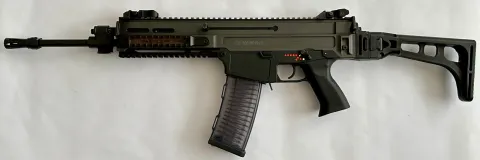
Ceska zbrojovka (CZ)
CZ BREN 2
Ceska zbrojovka (CZ)
CZ 805 BREN
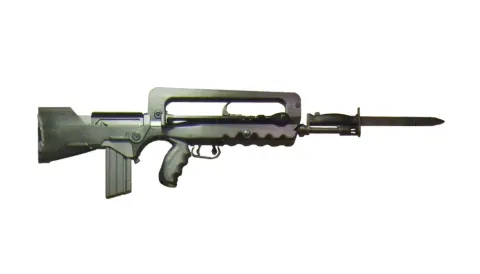
KNDS
FAMAS
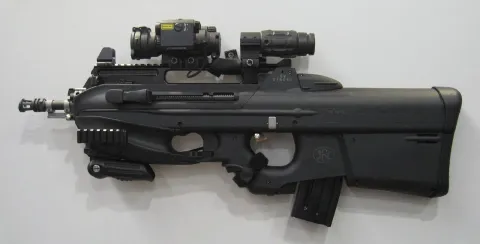
FN Herstal
F2000
FN Herstal
FNC
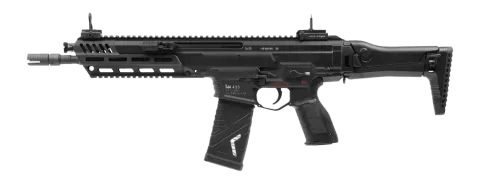
Heckler & Koch
HK433
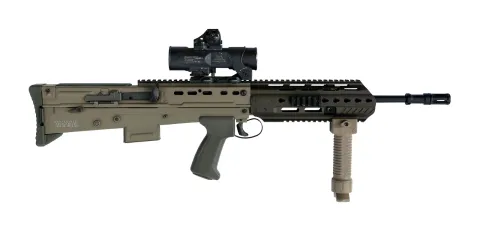
BAE Systems
L85A3 (SA80A3)
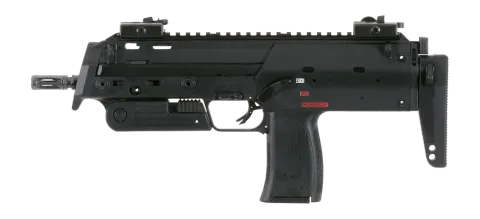
Heckler & Koch
MP7
MKE
MPT-55
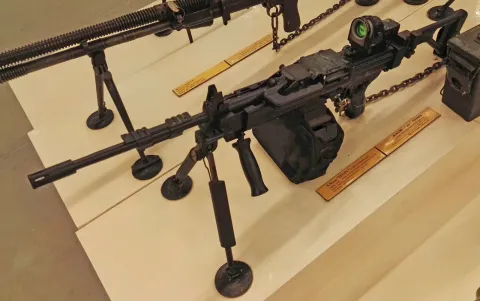
IWI
Negev
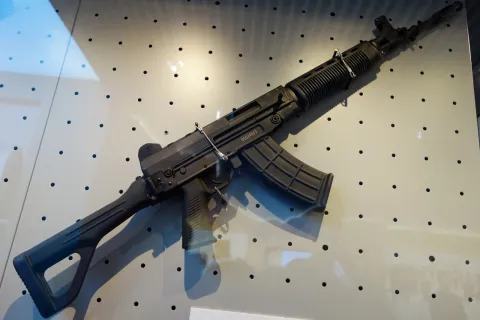
NORINCO
QBZ-03
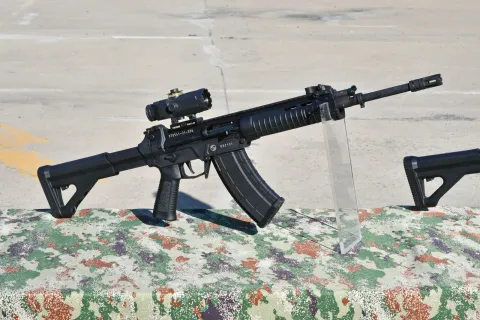
NORINCO
QBZ-191
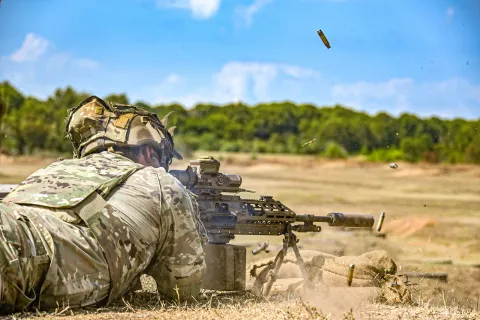
SIG Sauer
SIG Sauer M250
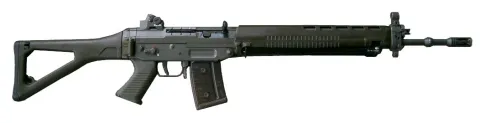
RUAG
StGw 90
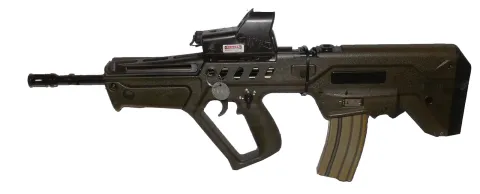
IWI
Tavor 7
IWI
Tavor TAR-21
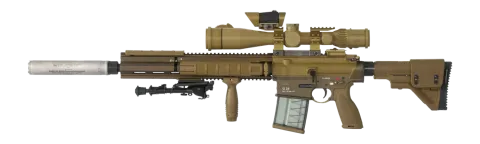
Heckler & Koch
G28
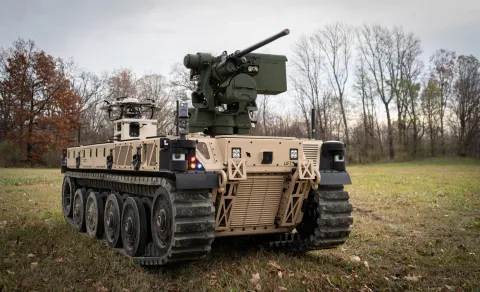
Pratt Miller Defense
Pratt Miller EMAV
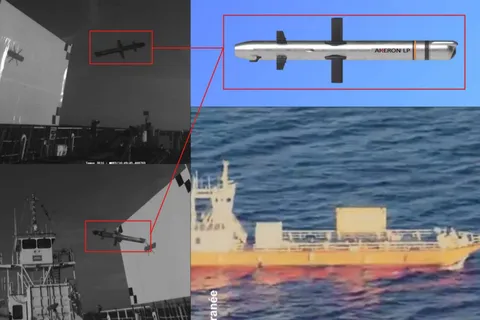
MBDA
Akeron LP
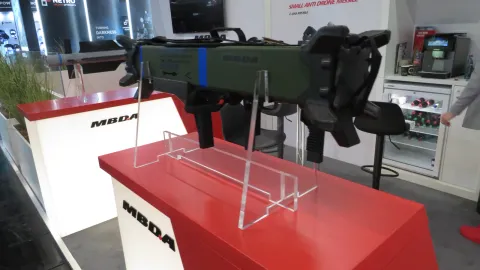
MBDA
Enforcer
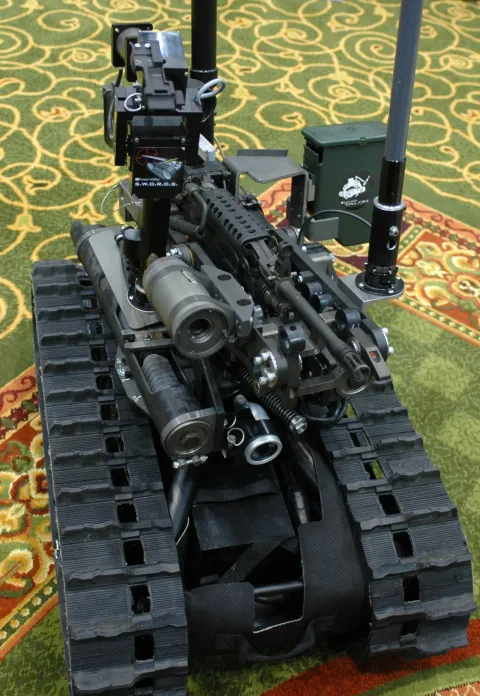
QinetiQ
QinetiQ TALON SWORDS
John Cockerill Defense
Cockerill 3030
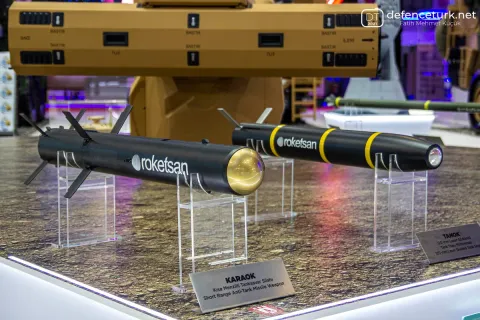
Roketsan
Karaok
Daniel Defense, LLC
DD5 V3
Daniel Defense, LLC
DDM4 V7
Daniel Defense, LLC
MK18
Elektroland Defence
Elektroland Hançer
Winchester Ammunition
6.8x51mm Common Cartridge
Frequently asked questions
- What caliber is standard for modern infantry rifles?
- Most NATO forces standardize on 5.56 mm for reduced recoil and lighter ammunition loads, while some forces are shifting toward larger intermediate calibers for better range and penetration against body armor.
- Why does barrel length matter for infantry rifles?
- Longer barrels increase muzzle velocity and effective range, but shorter barrels are easier to maneuver in vehicles, buildings and close terrain. It is a direct tradeoff, not a strict improvement either way.