Systems for anti-ship & coastal defense
Anti-ship and coastal-defense systems exist to hold surface vessels and submarines at risk near contested coastlines. The specs that matter are engagement range (how far offshore a threat can be held), seeker and guidance type (finding and hitting a moving ship or submerged target), and warhead mass (defeating hull and compartmentalized damage control). A short-range system with excellent guidance still cedes the approach; range sets the outer edge of what the system can actually threaten.
45 matching systems in our database.
What matters for anti-ship & coastal defense
- ●Range: how far offshore the system can engage, which sets the size of the denied coastal or open-water zone.
- ●Max speed (Mach): supersonic and hypersonic anti-ship missiles shrink a ship's reaction and intercept window.
- ●Warhead mass: penetration and damage effect against a hull, superstructure or submarine pressure hull.
- ●Guidance: active radar, infrared or wake-homing seekers for anti-ship; sonar and acoustic homing for anti-submarine weapons.
Anti-Ship & Coastal Defense systems in our database
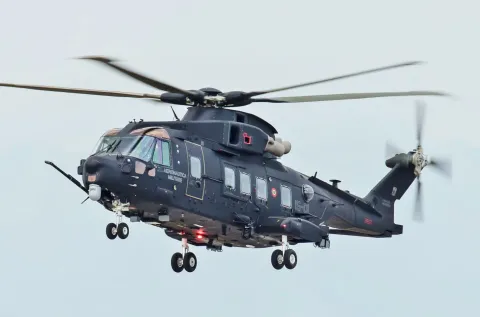
Leonardo
AW101 Merlin
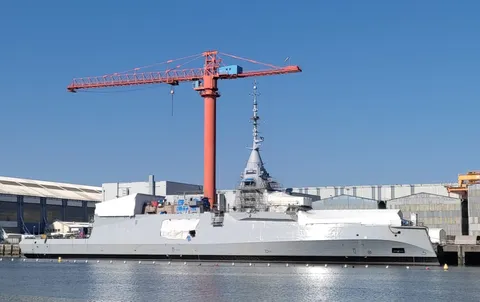
Naval Group
Amiral Ronarc'h-class Frigate (FDI)
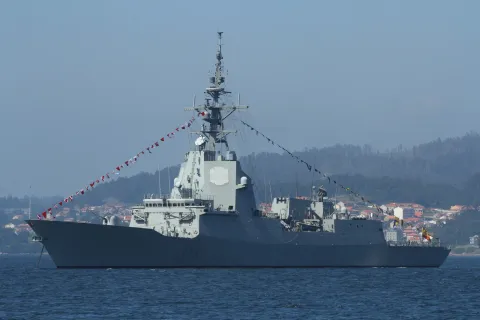
Navantia
Alvaro de Bazan class (F100)
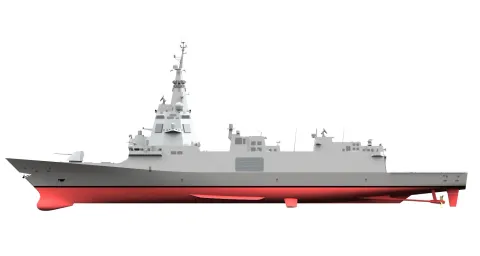
Navantia
Bonifaz class (F110)
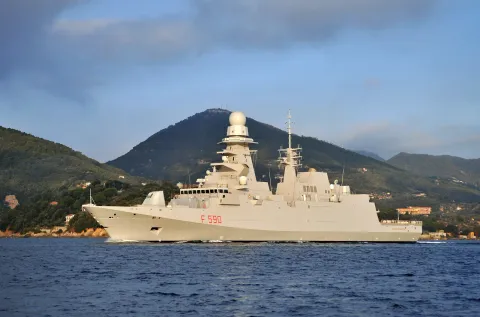
Fincantieri
Bergamini class (FREMM)
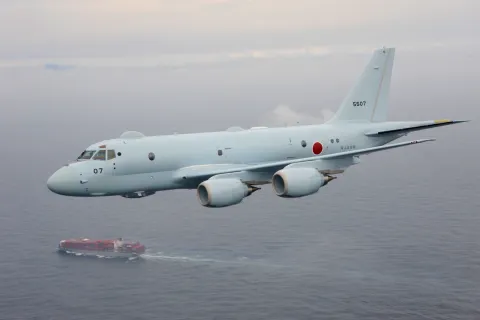
Kawasaki Heavy Industries
Kawasaki P-1
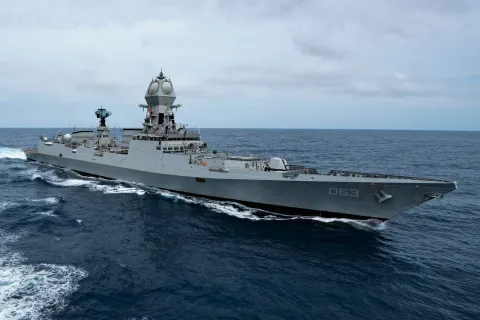
Mazagon Dock Shipbuilders Limited
Kolkata class
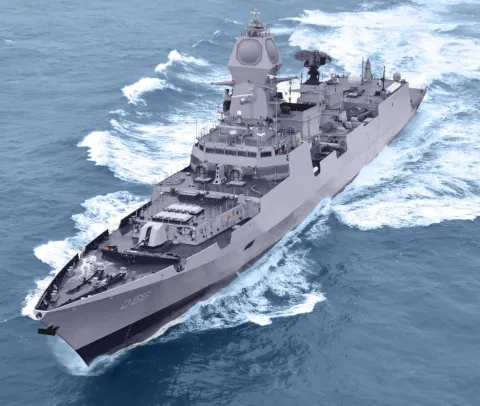
Mazagon Dock Shipbuilders Limited
Visakhapatnam class
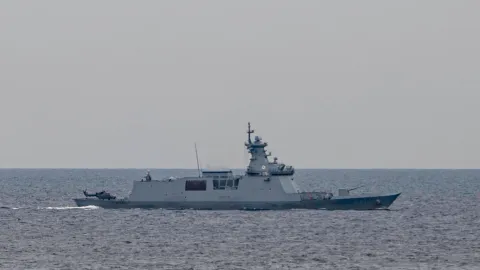
Hanwha Ocean (formerly Daewoo Shipbuilding & Marine Engineering)
Daegu-class frigate
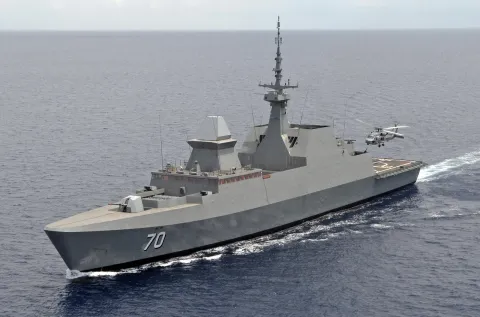
ST Engineering Land Systems
Formidable-class
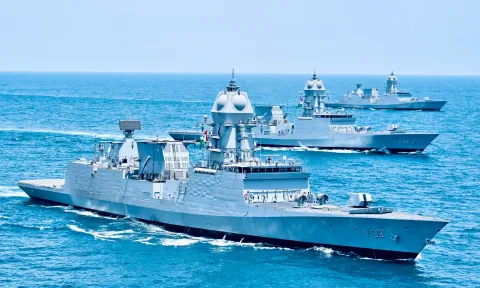
Mazagon Dock Shipbuilders Limited
Nilgiri class
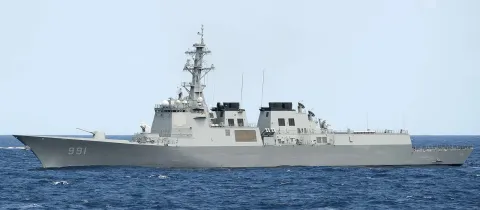
HD Hyundai Heavy Industries
Sejong the Great-class destroyer
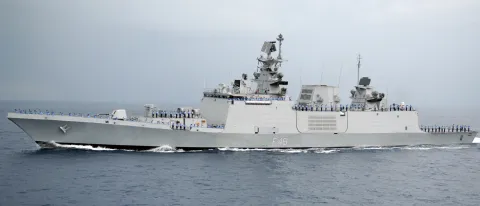
Mazagon Dock Shipbuilders Limited
Shivalik class
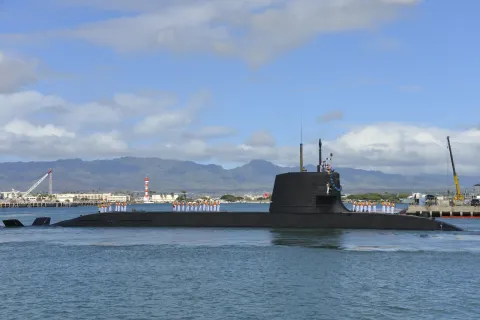
Mitsubishi Heavy Industries
Soryu-class
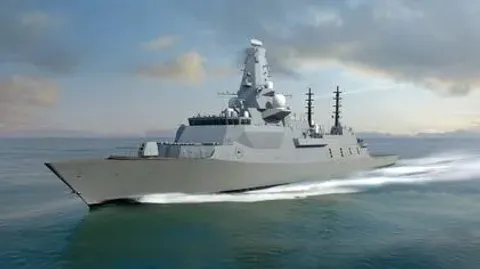
BAE Systems Australia
Hunter-class
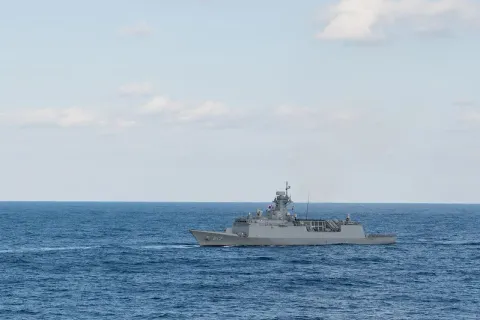
HD Hyundai Heavy Industries
Incheon-class Frigate
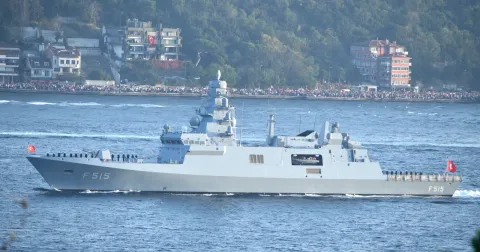
STM (Savunma Teknolojileri Mühendislik)
Istif-class
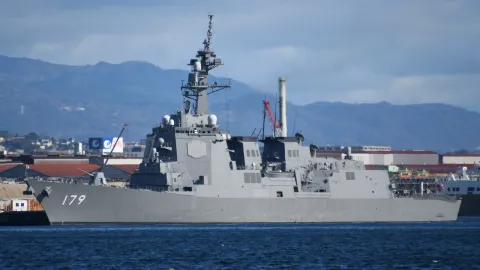
Japan Marine United Corporation (JMU)
Maya-class
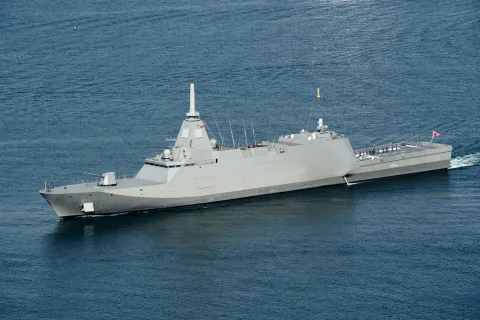
Mitsubishi Heavy Industries
Mogami-class
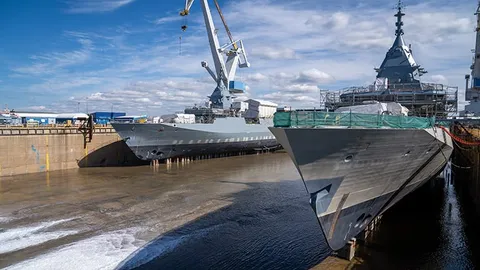
Rauma Marine Constructions
Pohjanmaa-class (Squadron 2020)
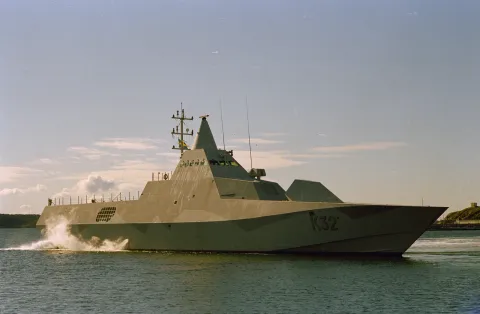
Saab AB
Visby-class
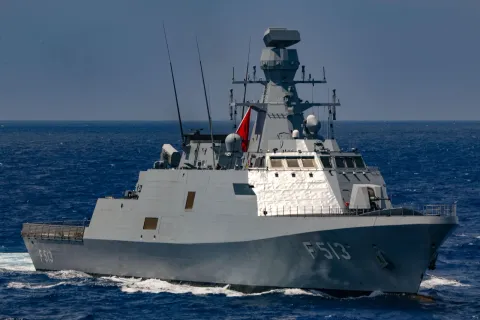
STM (Savunma Teknolojileri Mühendislik)
Ada-class
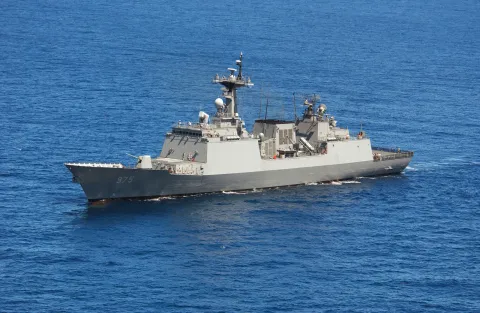
HD Hyundai Heavy Industries
Chungmugong Yi Sun-sin-class destroyer
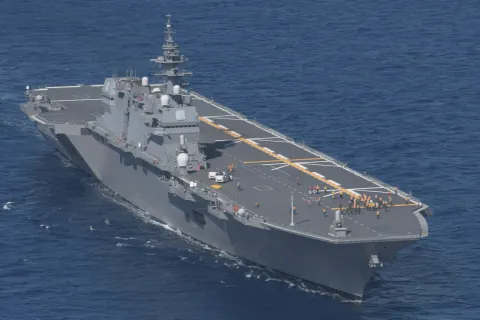
Japan Marine United Corporation (JMU)
Izumo-class
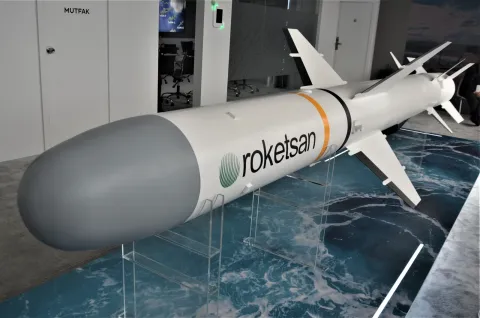
Roketsan
Atmaca
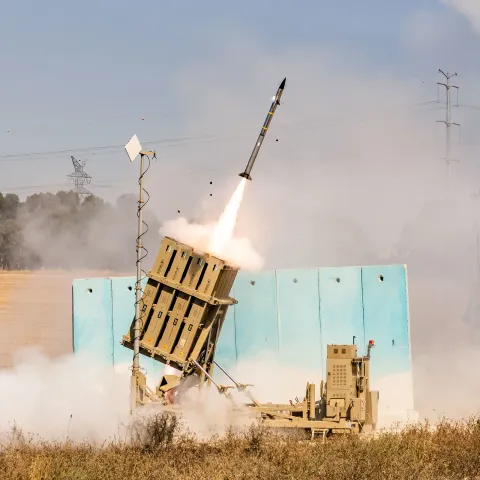
Rafael Advanced Defense Systems
C-Dome
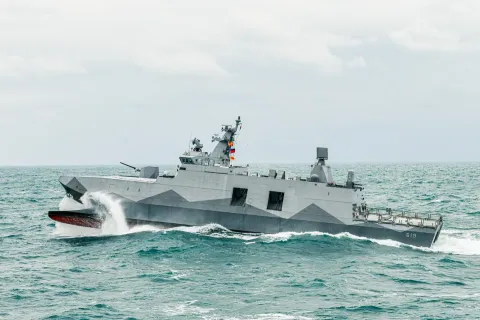
National Chung-Shan Institute of Science and Technology
Tuo Chiang-class
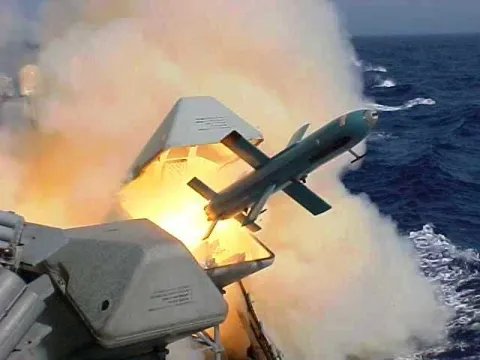
Israel Aerospace Industries
Gabriel
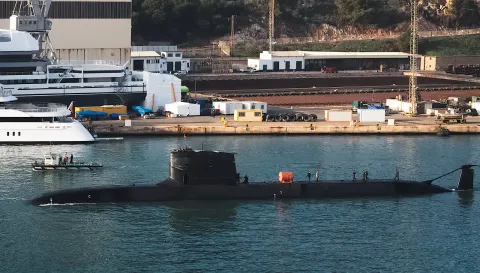
Navantia
S-80 Plus
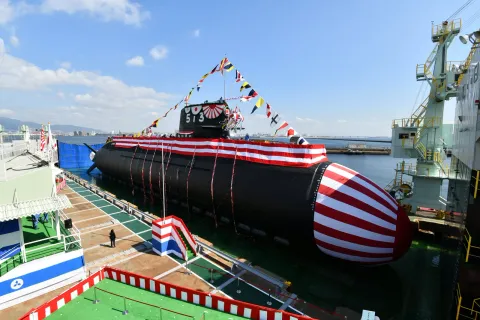
Kawasaki Heavy Industries
Taigei-class
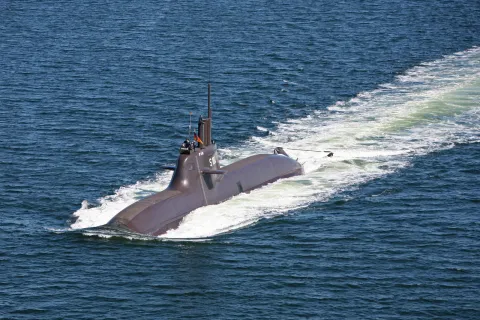
Fincantieri
Salvatore Todaro class (U212A)
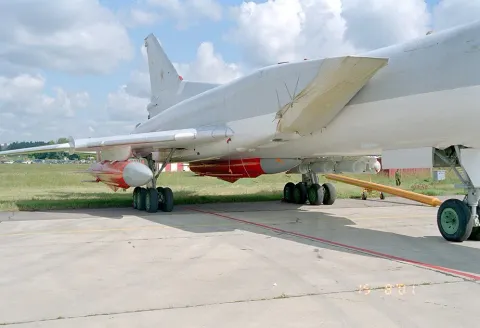
Tactical Missiles Corporation (KTRV)
Kh-22
Tactical Missiles Corporation (KTRV)
Kh-32
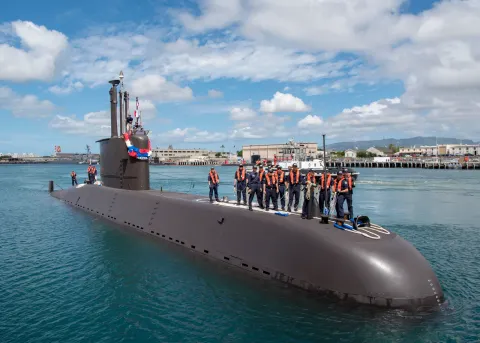
Hanwha Ocean (formerly Daewoo Shipbuilding & Marine Engineering)
Chang Bogo-class submarine
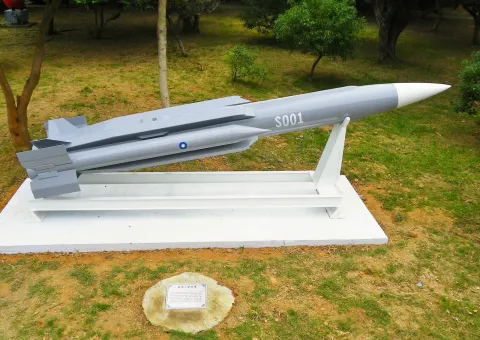
National Chung-Shan Institute of Science and Technology
Hsiung Feng III
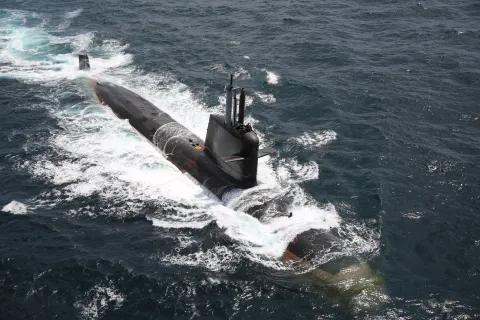
Mazagon Dock Shipbuilders Limited
Kalvari class
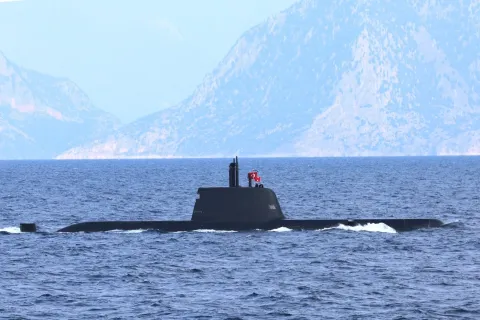
STM (Savunma Teknolojileri Mühendislik)
Reis-class
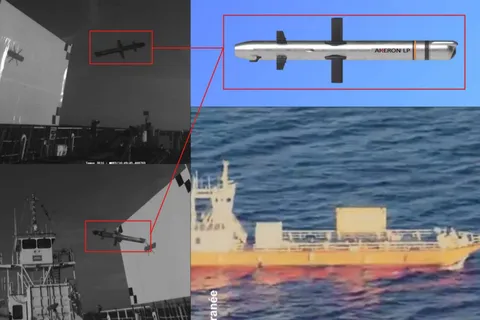
MBDA
Akeron LP
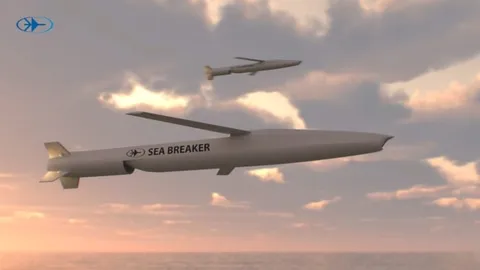
Rafael Advanced Defense Systems
Sea Breaker
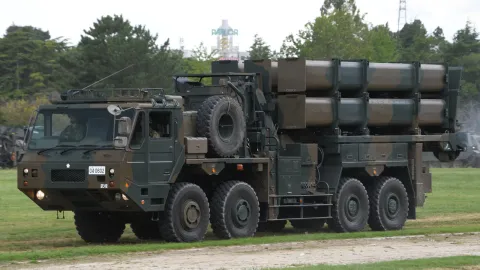
Mitsubishi Heavy Industries
Type 12 SSM
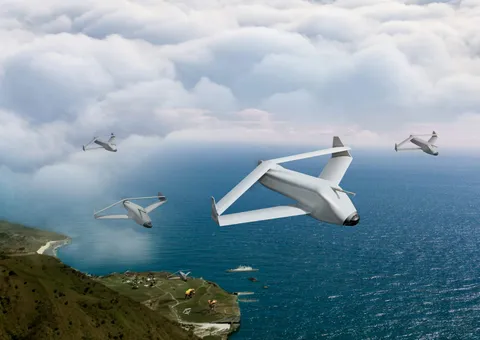
MBDA
Diamond Shaped
Oshkosh Defense
Oshkosh ROGUE-Fires
China Aerospace Science and Technology Corporation (CASC)
YJ-21
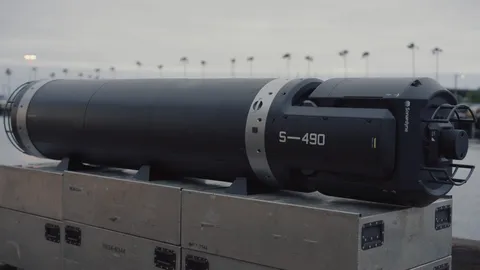
Anduril Industries
Seabed Sentry
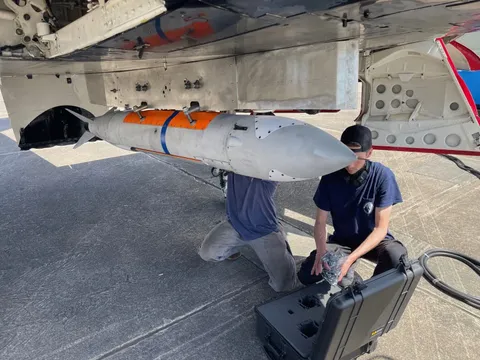
CoAspire
RAACM
Frequently asked questions
- What makes an anti-ship missile hard to defend against?
- Speed and terminal maneuvering combined with a low-altitude sea-skimming flight profile, which compresses the time a ship's defenses have to detect, track and intercept it before impact.
- How is anti-submarine warfare different from anti-ship engagement?
- Anti-submarine warfare relies on sonar and acoustic-homing guidance to find and engage a submerged, often quiet target, while anti-ship engagement typically uses radar or infrared seekers against a surface contact with a much larger detectable signature.