Systems for multirole combat
A multirole fighter is built to swing between air-to-air and air-to-ground missions, often on the same sortie. The specs that matter are weapons payload and hardpoint count (how much of each mission set it can carry at once), combat radius (how far it can strike and still fight home), and sensor-suite breadth rather than any single peak performance number.
46 matching systems in our database.
What matters for multirole combat
- ●Weapons payload and hardpoints: total ordnance carried across both air-to-air and air-to-ground loadouts.
- ●Combat radius: how far the aircraft can fly, strike, and return without tanker support.
- ●Sensor suite: targeting pods, IRST and multi-mode radar that make the airframe useful in more than one mission.
- ●Thrust-to-weight: still matters when the same jet must defend itself after a strike run.
Multirole Combat systems in our database
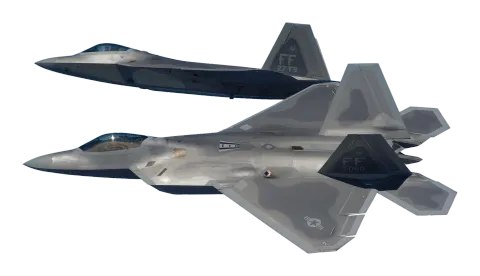
Lockheed Martin
F-22A Raptor
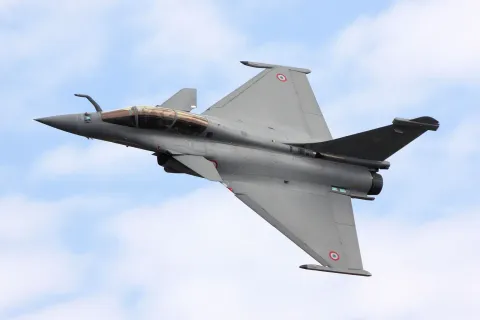
Dassault Aviation
Rafale F4
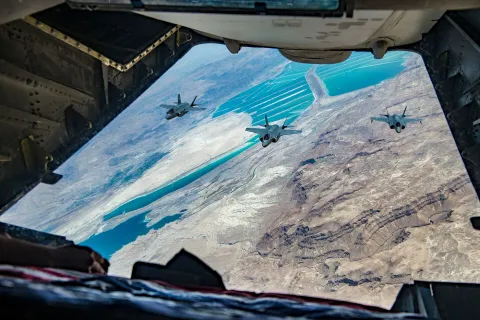
Lockheed Martin
F-35A Lightning II
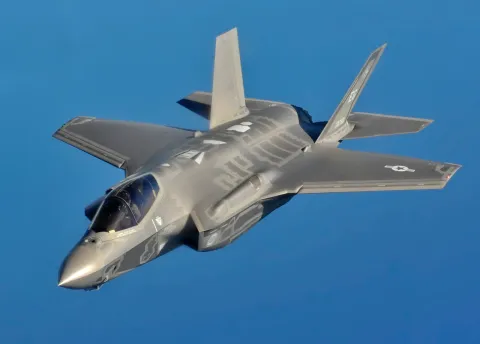
Lockheed Martin
F-35B Lightning II
Lockheed Martin
F-35C Lightning II
Dassault Aviation
Rafale C
Dassault Aviation
Rafale M
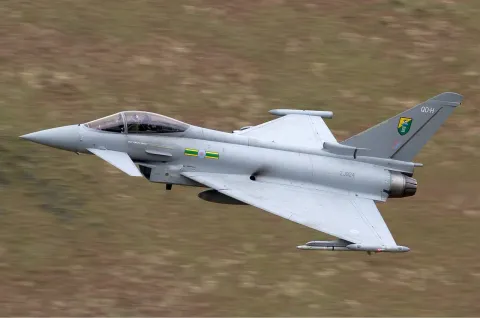
Eurofighter GmbH
Eurofighter Typhoon
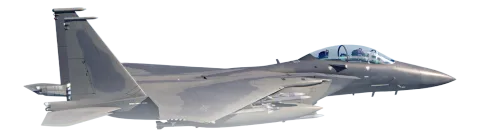
Boeing
F-15EX Eagle II
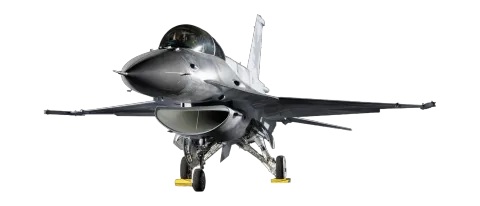
Lockheed Martin
F-16C Block 70/72 Fighting Falcon
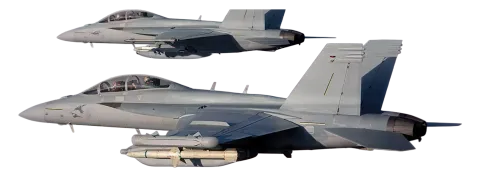
Boeing
F/A-18E/F Super Hornet
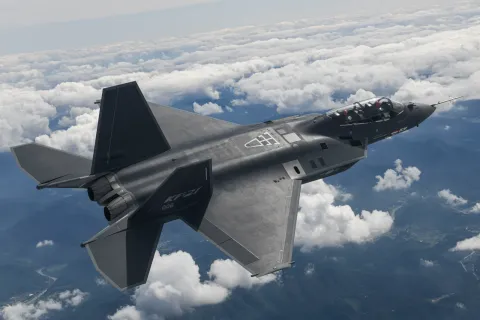
Korea Aerospace Industries (KAI)
KF-21 Boramae
Sukhoi
Su-57
Boeing
EA-18G Growler
Boeing
F-15E Strike Eagle
Lockheed Martin
F-16C Block 52 Fighting Falcon
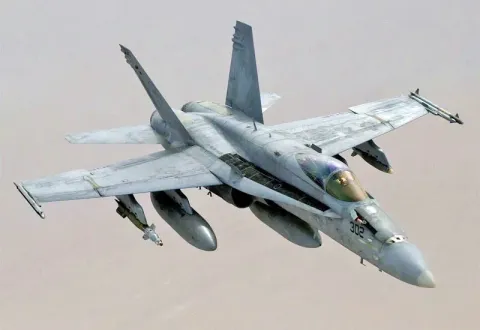
Boeing
F/A-18C Hornet
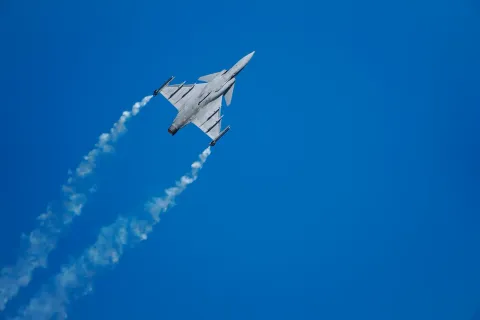
Saab AB
JAS 39E Gripen
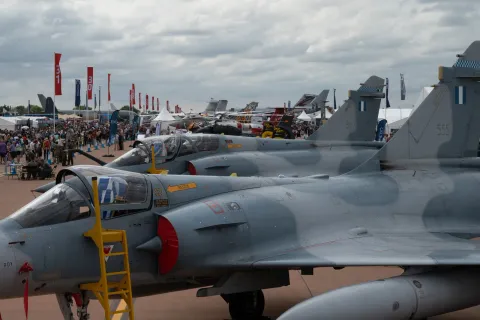
Dassault Aviation
Mirage 2000-5
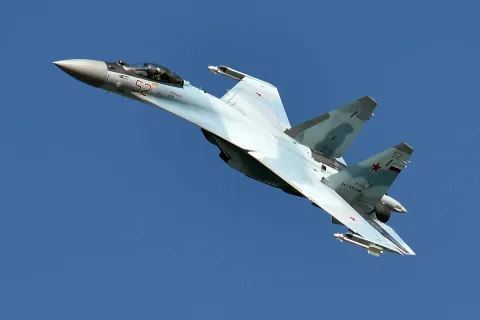
Sukhoi
Su-35S
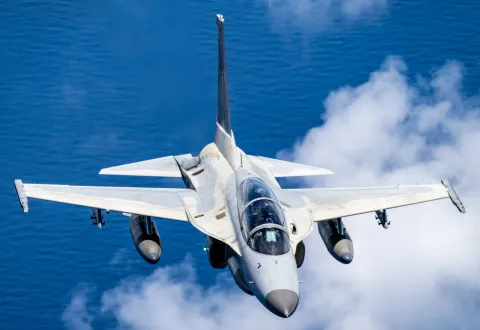
Korea Aerospace Industries (KAI)
FA-50 Golden Eagle
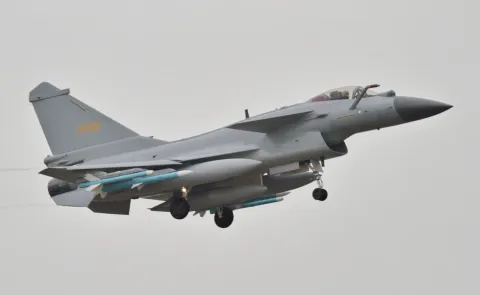
Chengdu Aircraft Industry Group (CAIG)
J-10C
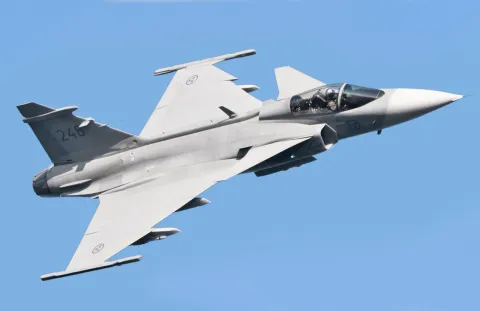
Saab AB
JAS 39C Gripen
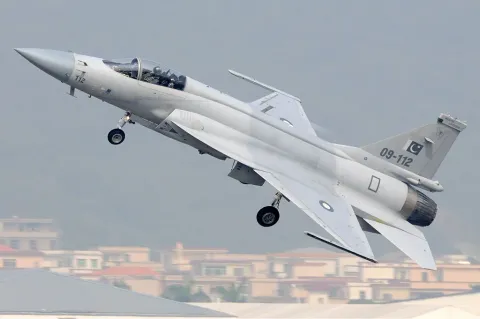
Pakistan Aeronautical Complex (PAC)
JF-17 Thunder
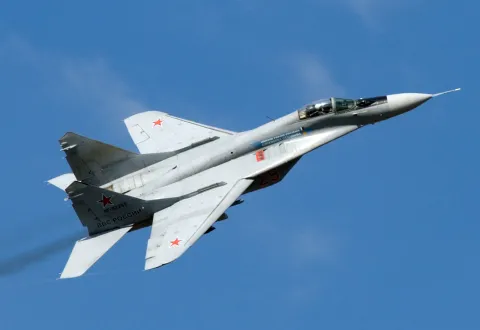
Mikoyan (MiG)
MiG-29
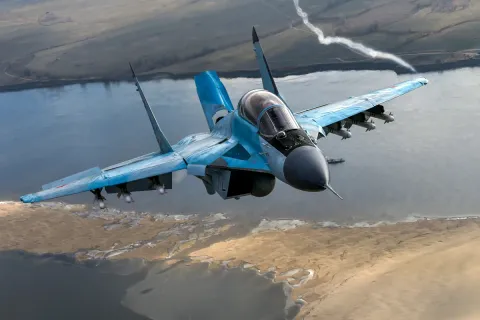
Mikoyan (MiG)
MiG-35
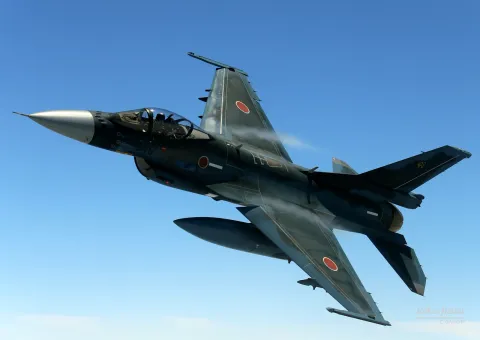
Mitsubishi Heavy Industries
Mitsubishi F-2
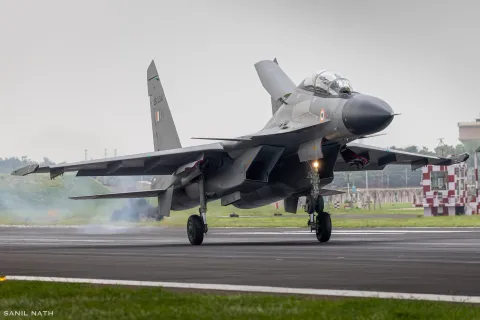
Sukhoi
Su-30SM
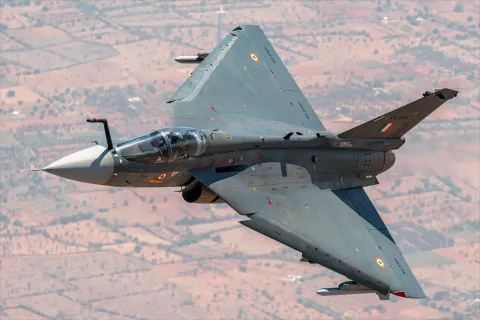
Hindustan Aeronautics Limited
Tejas Mk1A
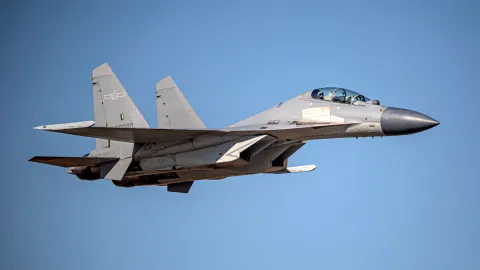
Shenyang Aircraft Corporation (SAC)
J-16
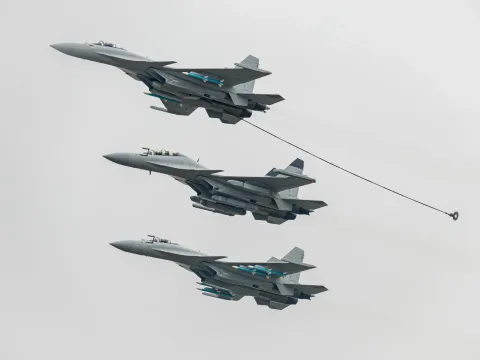
Shenyang Aircraft Corporation (SAC)
J-15
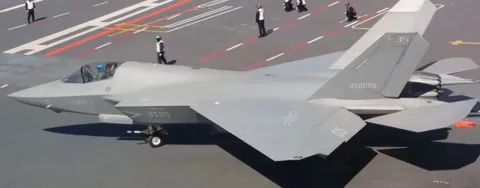
Shenyang Aircraft Corporation (SAC)
J-35
Pakistan Aeronautical Complex (PAC)
JF-17 Thunder Block 3
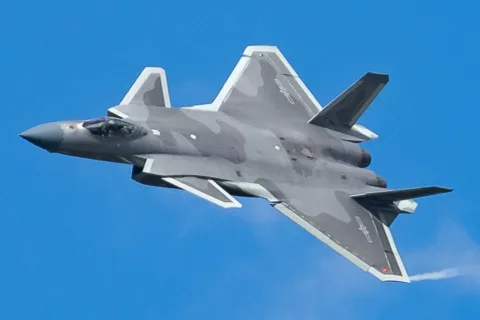
AVIC (Aviation Industry Corporation of China)
J-20
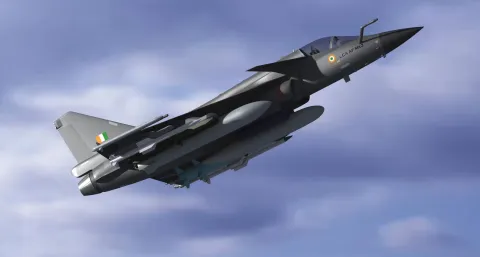
Hindustan Aeronautics Limited
Tejas Mk2
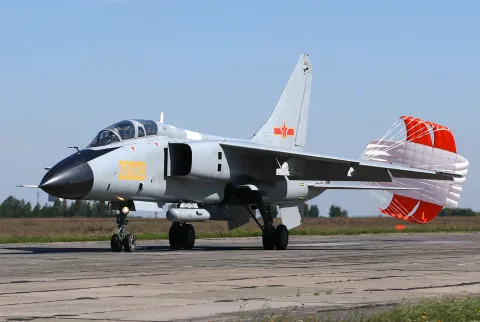
Xi'an Aircraft Industrial Corporation (XAC)
JH-7A
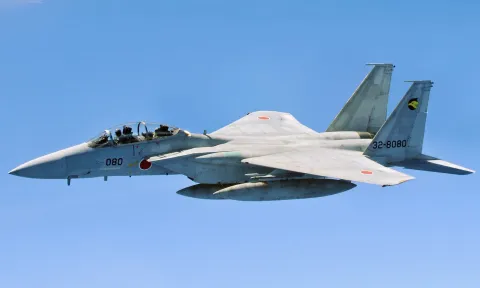
Mitsubishi Heavy Industries
Mitsubishi F-15J/DJ
Hindustan Aeronautics Limited
Tejas Navy Mk1
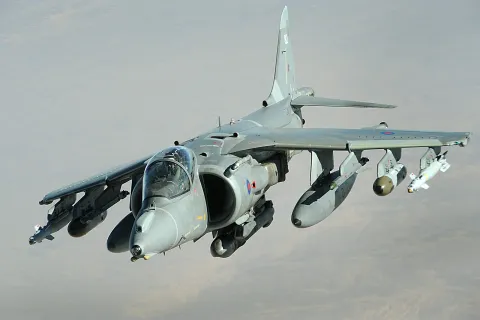
BAE Systems
Harrier GR9
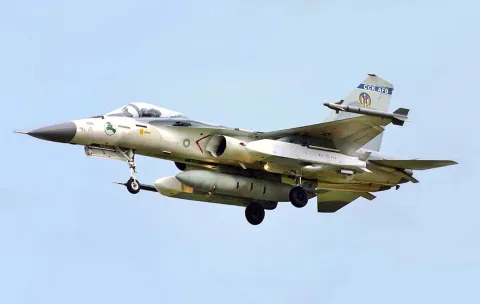
Aerospace Industrial Development Corporation
F-CK-1 Ching-kuo
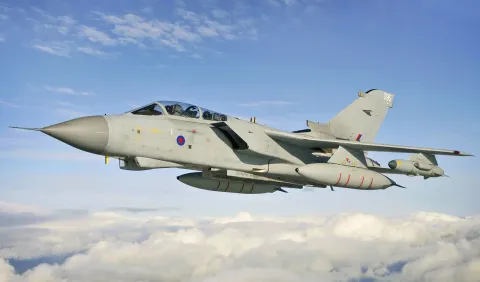
Panavia Aircraft GmbH
Tornado GR4
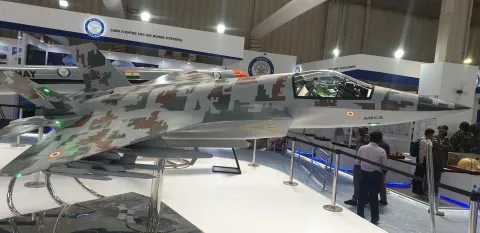
Hindustan Aeronautics Limited
AMCA
FNSS Defence Systems
FNSS Shadow Rider
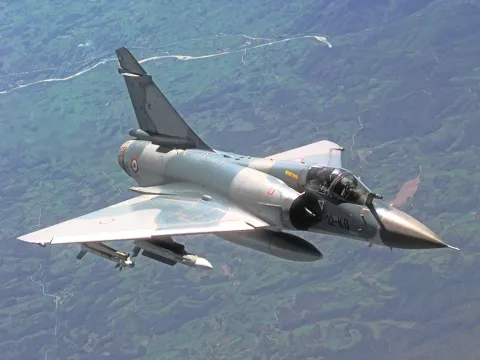
Dassault Aviation
Mirage 2000-9
Otokar
Otokar ALPAR
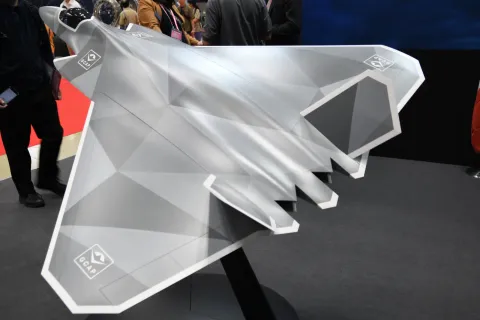
BAE Systems
GCAP Tempest
Frequently asked questions
- What defines a multirole fighter versus a dedicated air-superiority jet?
- Payload and hardpoint flexibility for switching between air-to-air and air-to-ground ordnance, plus a sensor suite (targeting pods, multi-mode radar) built for both jobs, often at some cost to the pure kinematic performance a dedicated interceptor would have.
- Why does combat radius matter more than range for multirole jets?
- Range is often ferry range with no ordnance; combat radius reflects a real mission (fly out with a strike load, engage, and return), which is the number that actually predicts what the aircraft can do operationally.