Systems for air superiority
An air-superiority fighter exists to defeat other aircraft and control contested airspace. The deciding specs are kinematic performance (thrust-to-weight and climb rate), sensor reach (radar range and datalink), and missile engagement envelope, in that order. A jet that sees first and holds more energy usually wins before either side gets a gun shot.
82 matching systems in our database.
What matters for air superiority
- ●Thrust-to-weight: above 1.0 the aircraft can accelerate going straight up, which decides most within-visual-range fights.
- ●Max speed (Mach) and rate of climb: energy to disengage, re-engage or run down an intercept.
- ●Radar range: detecting first lets the pilot choose the terms of engagement before being seen.
- ●Hardpoints and compatible air-to-air missiles: how many engagements the jet can sustain per sortie.
Air Superiority systems in our database
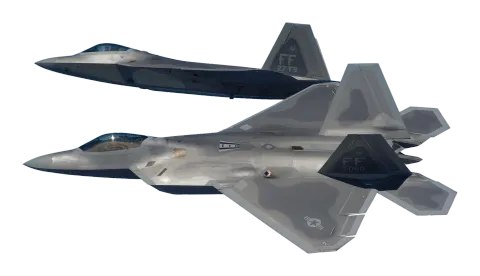
Lockheed Martin
F-22A Raptor
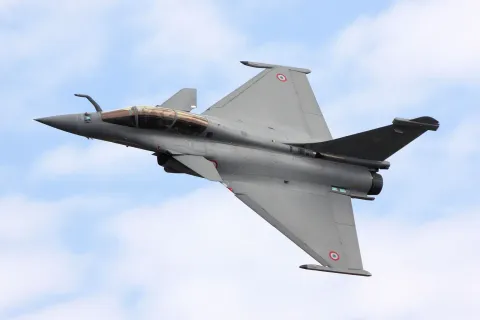
Dassault Aviation
Rafale F4
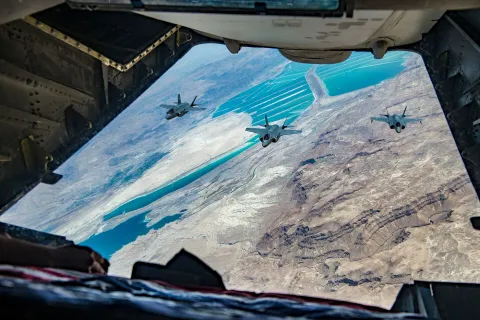
Lockheed Martin
F-35A Lightning II
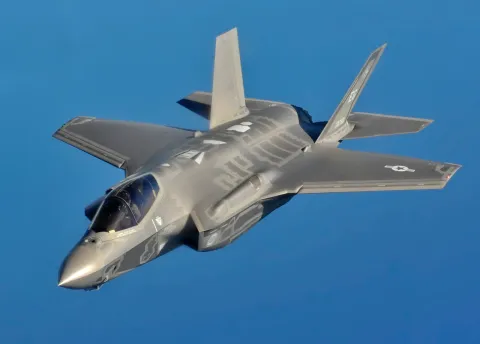
Lockheed Martin
F-35B Lightning II
Lockheed Martin
F-35C Lightning II
Dassault Aviation
Rafale C
Dassault Aviation
Rafale M
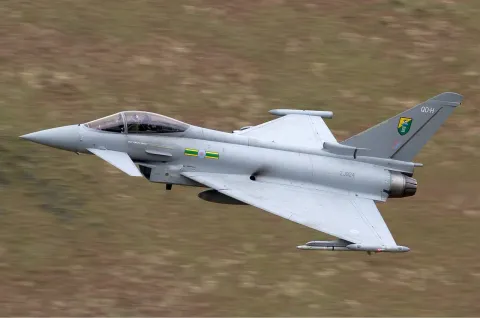
Eurofighter GmbH
Eurofighter Typhoon
Boeing
F-15EX Eagle II
Lockheed Martin
F-16C Block 70/72 Fighting Falcon
Boeing
F/A-18E/F Super Hornet
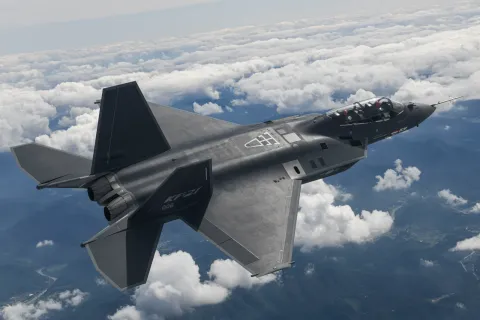
Korea Aerospace Industries (KAI)
KF-21 Boramae
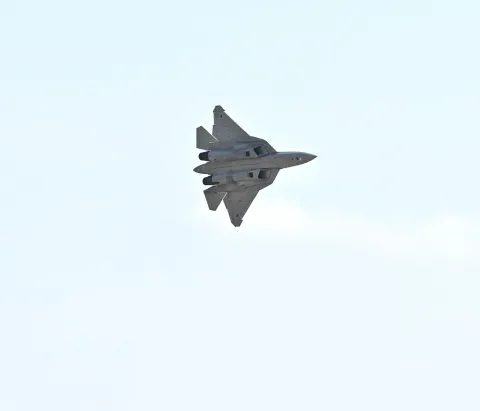
Sukhoi
Su-57
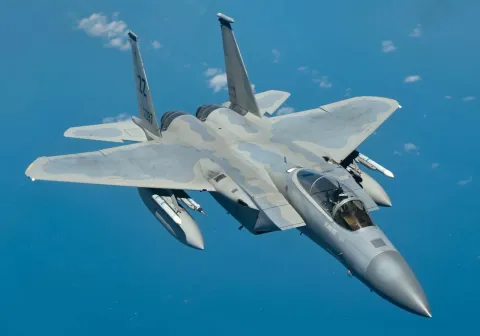
Boeing
F-15C Eagle
Lockheed Martin
F-16C Block 52 Fighting Falcon
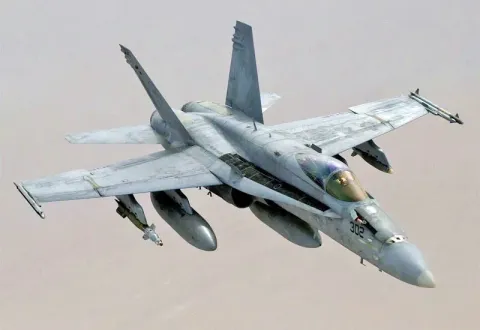
Boeing
F/A-18C Hornet
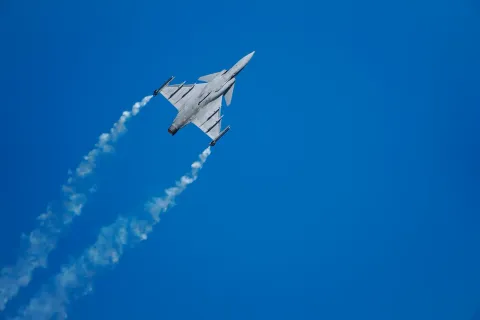
Saab AB
JAS 39E Gripen
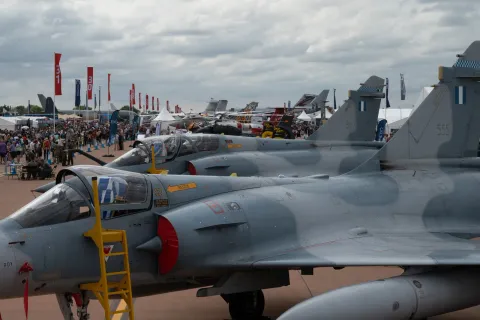
Dassault Aviation
Mirage 2000-5
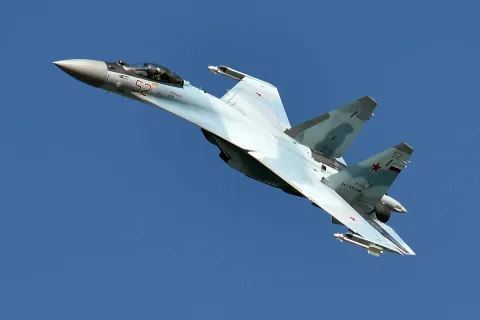
Sukhoi
Su-35S
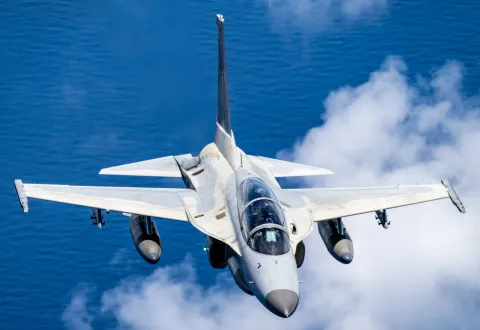
Korea Aerospace Industries (KAI)
FA-50 Golden Eagle
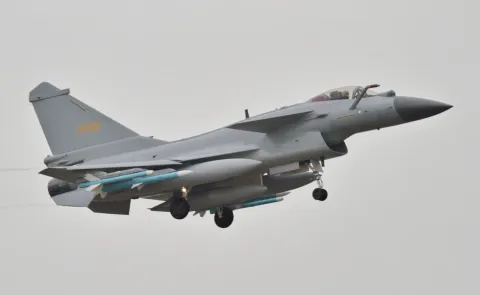
Chengdu Aircraft Industry Group (CAIG)
J-10C
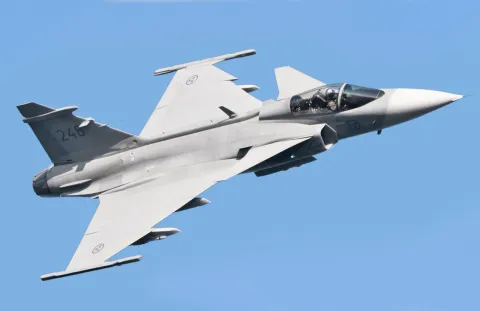
Saab AB
JAS 39C Gripen
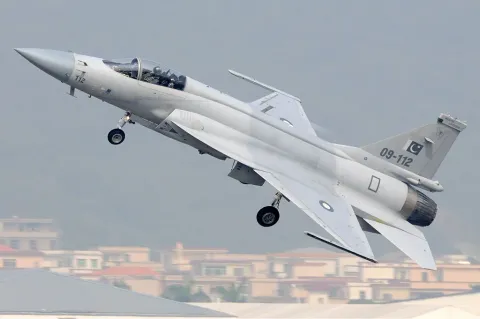
Pakistan Aeronautical Complex (PAC)
JF-17 Thunder
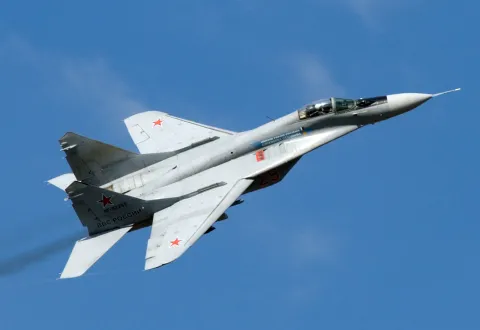
Mikoyan (MiG)
MiG-29
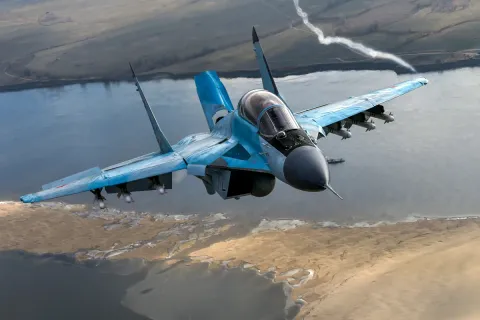
Mikoyan (MiG)
MiG-35
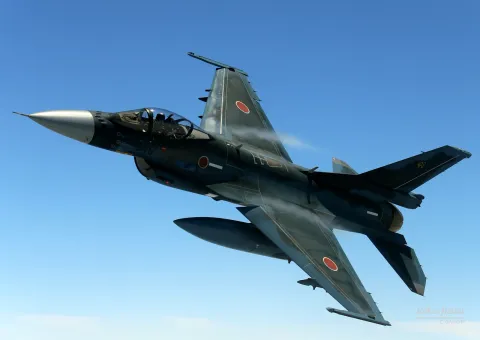
Mitsubishi Heavy Industries
Mitsubishi F-2
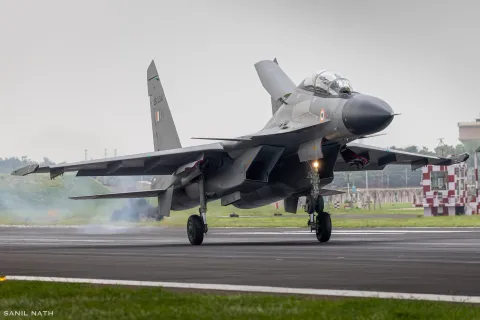
Sukhoi
Su-30SM
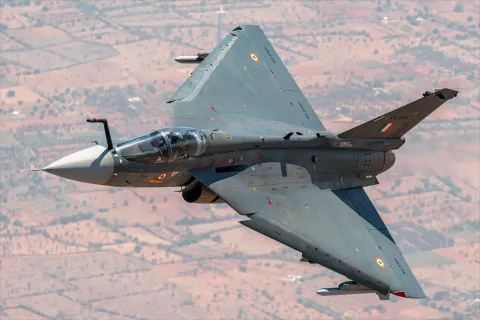
Hindustan Aeronautics Limited
Tejas Mk1A
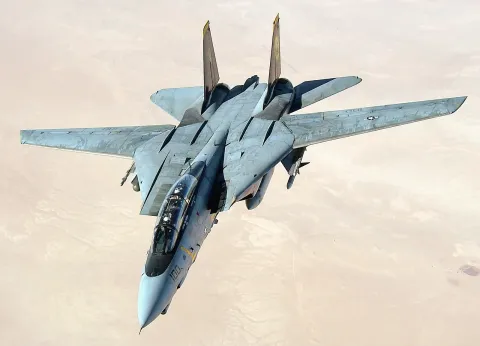
Northrop Grumman
F-14 Tomcat
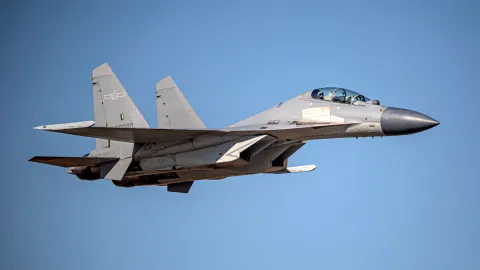
Shenyang Aircraft Corporation (SAC)
J-16
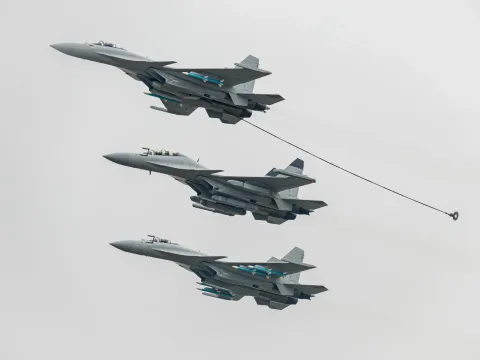
Shenyang Aircraft Corporation (SAC)
J-15
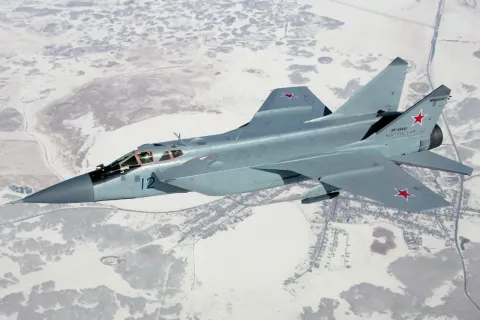
Mikoyan (MiG)
MiG-31
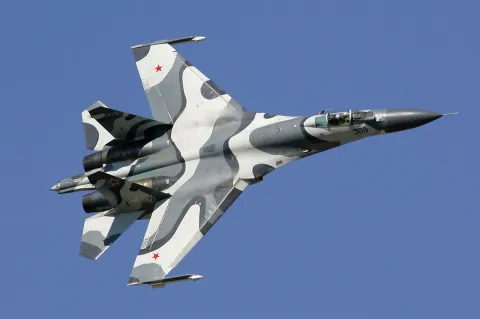
Sukhoi
Su-27
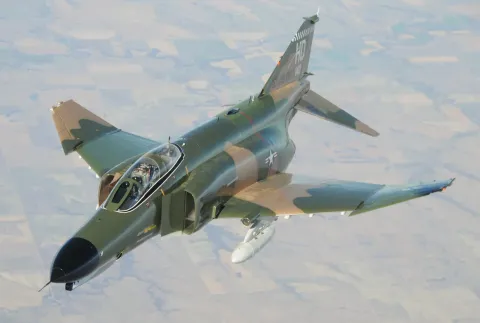
Boeing
F-4E Phantom II
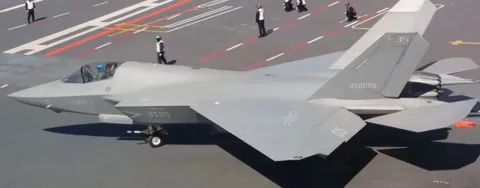
Shenyang Aircraft Corporation (SAC)
J-35
Pakistan Aeronautical Complex (PAC)
JF-17 Thunder Block 3
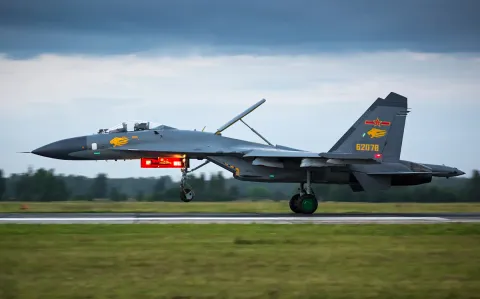
Shenyang Aircraft Corporation (SAC)
J-11B
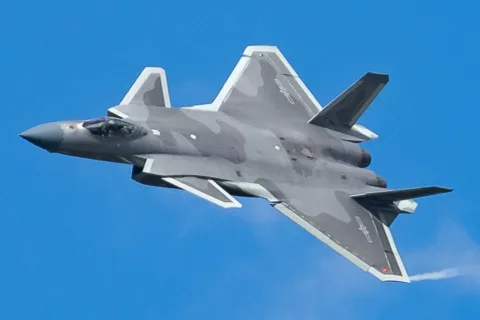
AVIC (Aviation Industry Corporation of China)
J-20
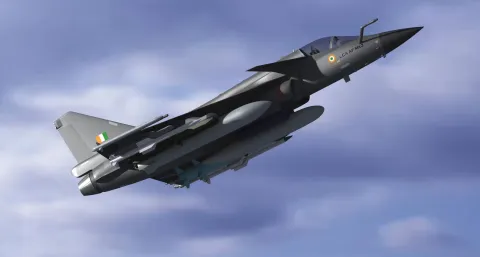
Hindustan Aeronautics Limited
Tejas Mk2
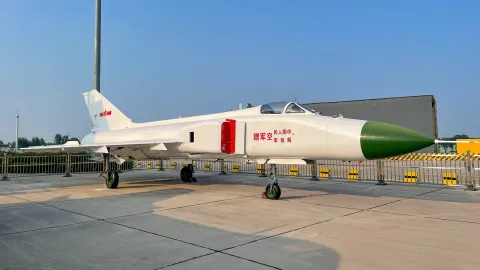
Shenyang Aircraft Corporation (SAC)
J-8II
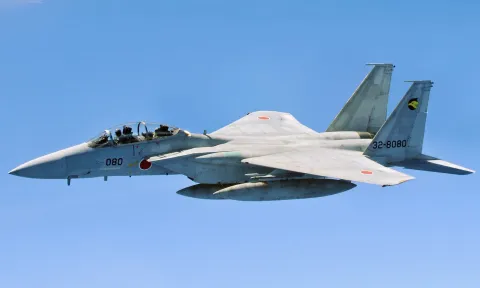
Mitsubishi Heavy Industries
Mitsubishi F-15J/DJ
Hindustan Aeronautics Limited
Tejas Navy Mk1
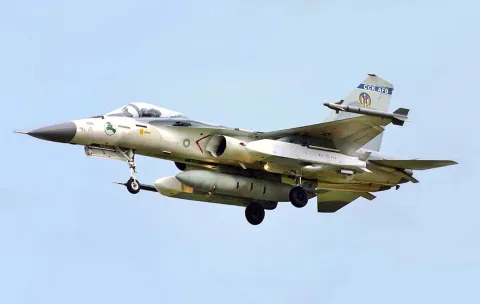
Aerospace Industrial Development Corporation
F-CK-1 Ching-kuo
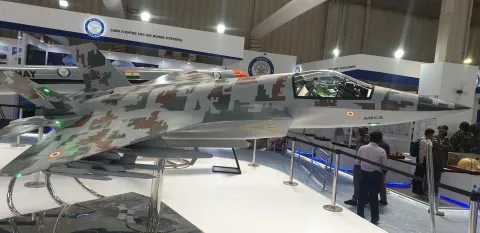
Hindustan Aeronautics Limited
AMCA
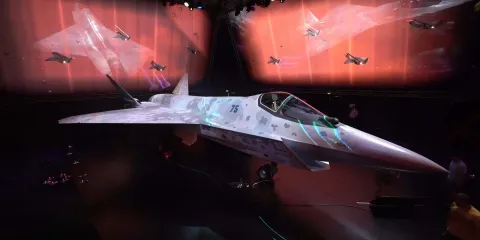
Sukhoi
Su-75 Checkmate
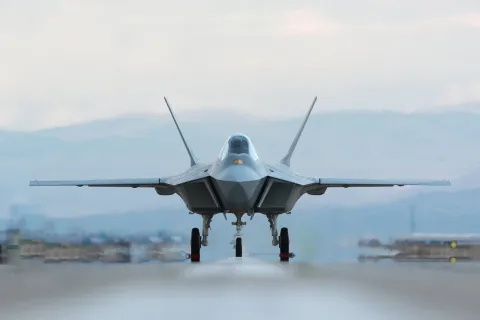
Turkish Aerospace Industries
TAI Kaan
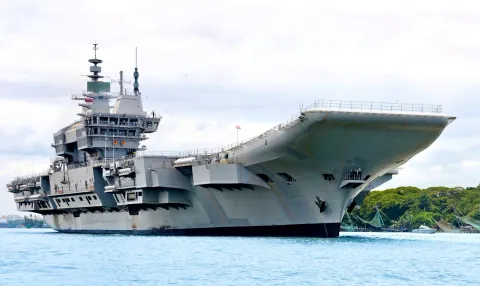
Cochin Shipyard Limited
Vikrant
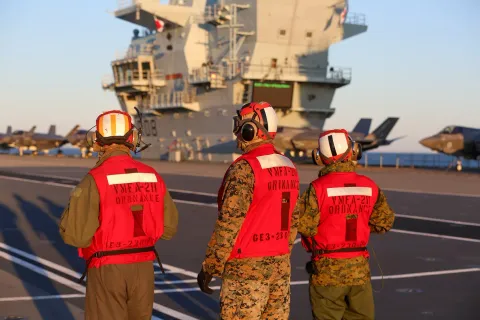
Babcock International Group
Queen Elizabeth-class
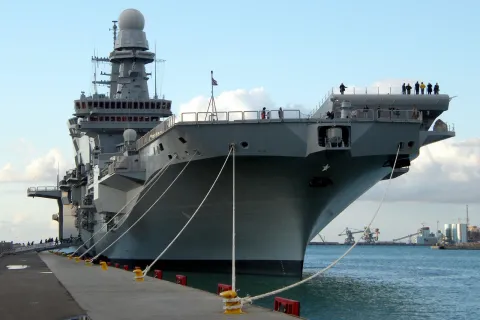
Fincantieri
Cavour
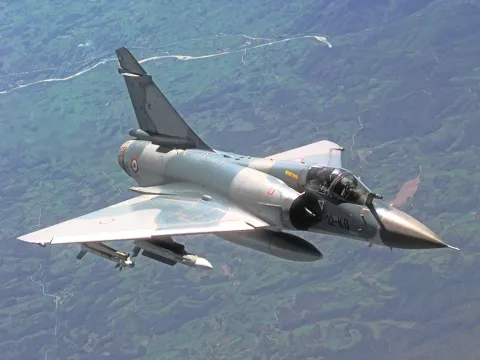
Dassault Aviation
Mirage 2000-9
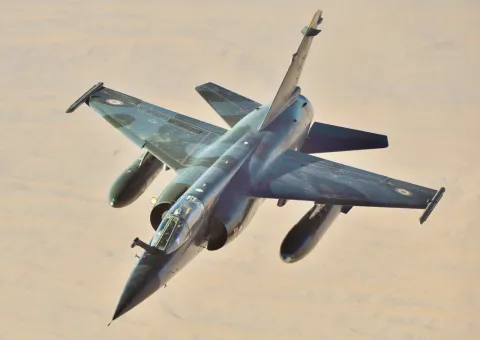
Dassault Aviation
Mirage F1
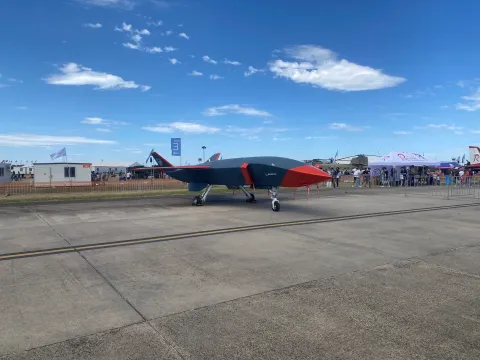
Boeing
MQ-28 Ghost Bat
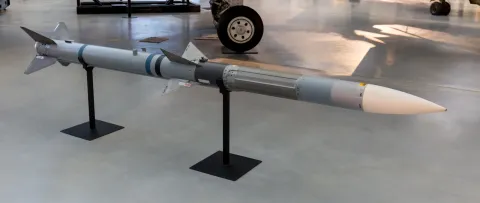
Raytheon (RTX)
AIM-120D AMRAAM
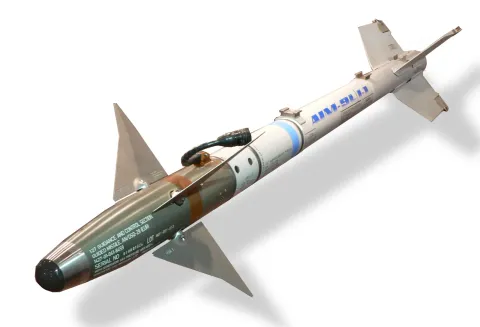
Raytheon (RTX)
AIM-9X Sidewinder
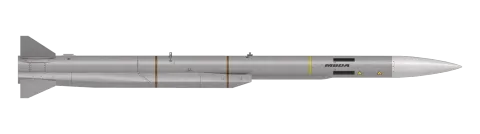
MBDA
Meteor
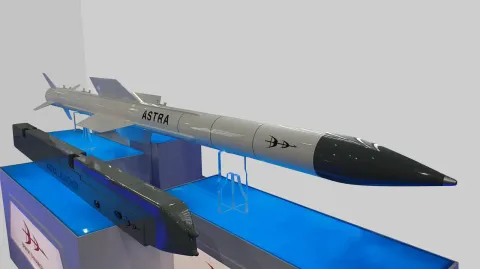
Defence Research and Development Organisation
Astra Mk1
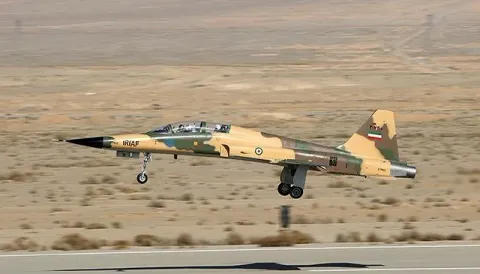
HESA Aviation Industry (Kowsar Program)
Kowsar

China State Shipbuilding Corporation (CSSC)
Type 002 Shandong
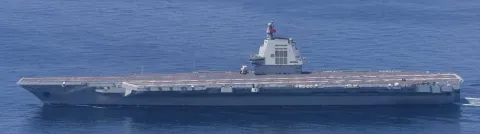
China State Shipbuilding Corporation (CSSC)
Type 003 Fujian

Denel Aviation
A-Darter
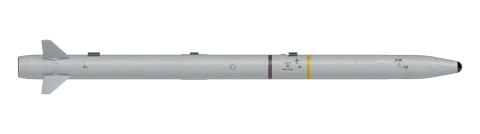
MBDA
ASRAAM
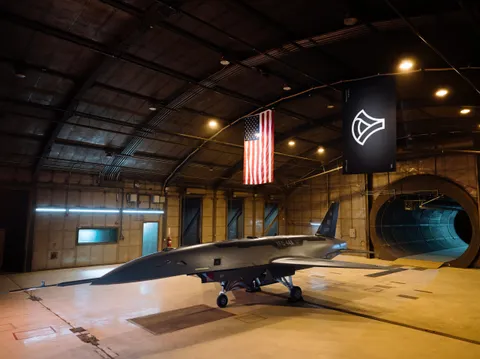
Anduril Industries
Fury (YFQ-44A)
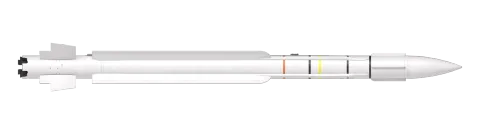
MBDA
MICA EM
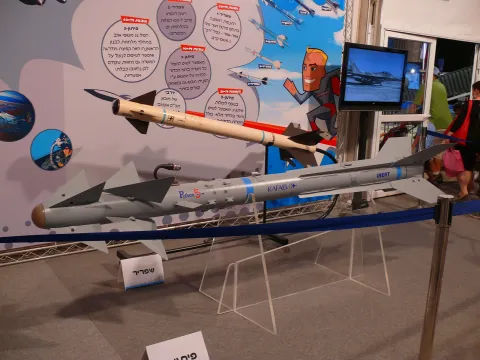
Rafael Advanced Defense Systems
Python 4
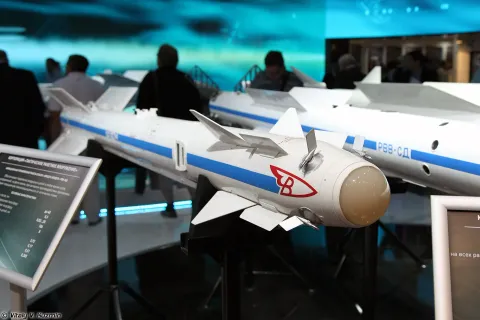
Tactical Missiles Corporation (KTRV)
R-73
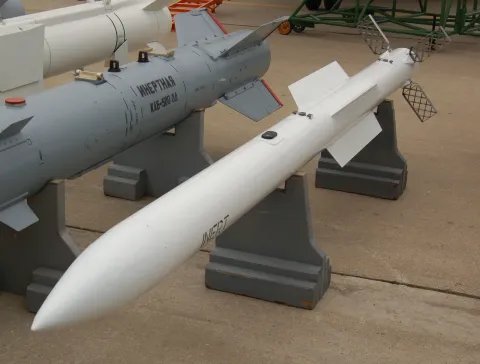
Tactical Missiles Corporation (KTRV)
R-77
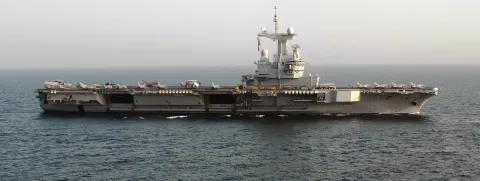
Naval Group
Charles de Gaulle
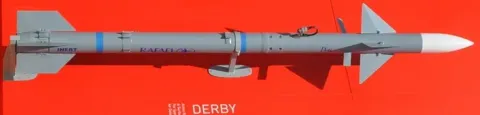
Rafael Advanced Defense Systems
Derby
Rafael Advanced Defense Systems
Python-5
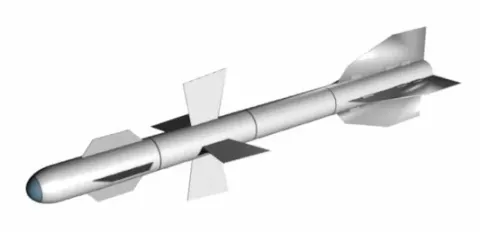
Tactical Missiles Corporation (KTRV)
R-27
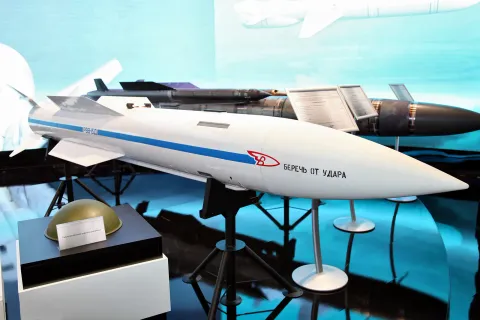
Tactical Missiles Corporation (KTRV)
R-37M
Naval Group
France Libre (PANG)
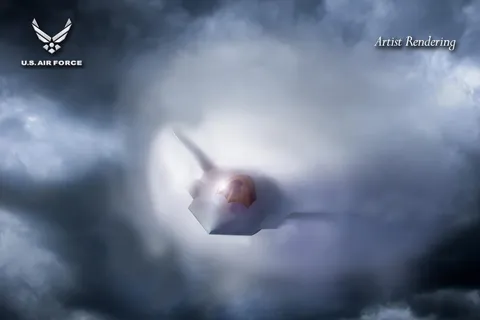
Boeing
F-47
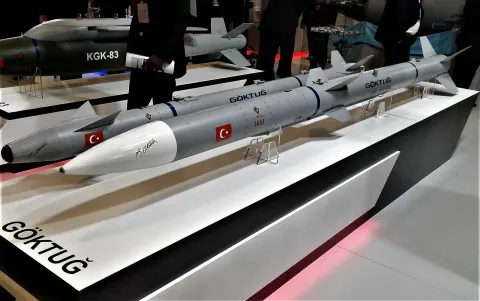
TÜBİTAK SAGE
Gökdoğan / Bozdoğan
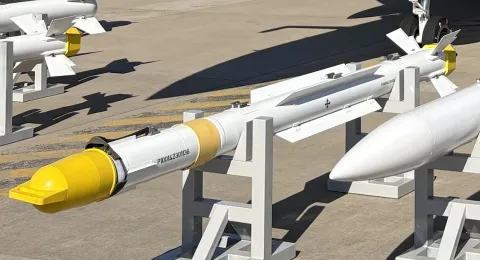
AVIC (Aviation Industry Corporation of China)
PL-10
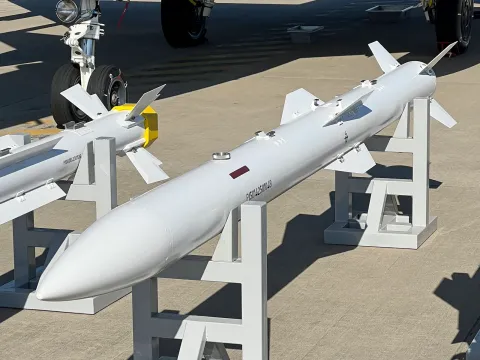
AVIC (Aviation Industry Corporation of China)
PL-15
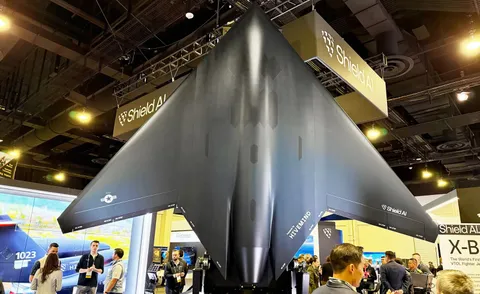
Shield AI
X-BAT
Chengdu Aircraft Industry Group (CAIG)
J-36
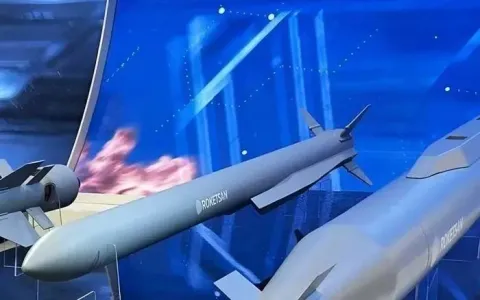
Roketsan
Gökbora
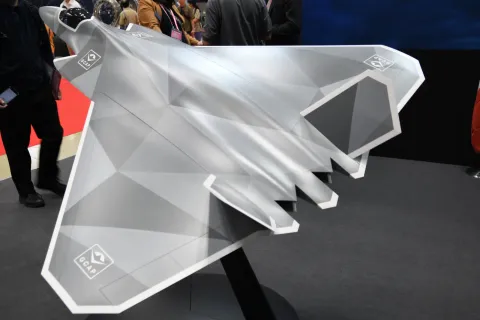
BAE Systems
GCAP Tempest
Shenyang Aircraft Corporation (SAC)
J-50
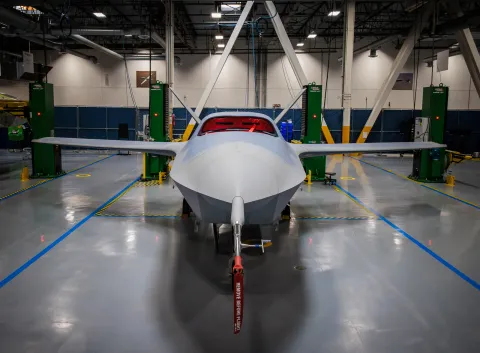
General Atomics Aeronautical Systems
YFQ-42A (Dark Merlin)
Frequently asked questions
- What makes a fighter good at air superiority?
- High thrust-to-weight (above 1.0 lets it out-accelerate an adversary going straight up), a capable AESA radar for first detection, and enough hardpoints to carry a useful air-to-air missile load. Maneuverability matters, but seeing and shooting first from a datalink-networked jet usually decides the fight before it becomes a dogfight.
- Does stealth matter for air superiority?
- Yes. Signature reduction delays the point at which an adversary's radar gets a firing solution, which extends the window where your own sensors and missiles have the advantage.