Systems for air defense
An air-defense system's job is to detect, track and intercept aircraft, missiles or drones before they reach their target. The deciding specs are engagement range and altitude (the intercept envelope it covers), simultaneous-target capacity (resistance to saturation attack), and radar range (how much warning it gets). A system with a wide envelope but few simultaneous targets can still be overwhelmed by a mass drone attack.
139 matching systems in our database.
What matters for air defense
- ●Engagement range and altitude: the intercept envelope, meaning the airspace the system actually protects.
- ●Simultaneous targets: resistance to saturation attacks, increasingly decisive against drone swarms and missile salvos.
- ●Radar range: detection range sets how much warning and engagement time the system gets before impact.
- ●Guidance: semi-active or active radar homing, infrared, or command guidance determines effectiveness against different target types.
Air Defense systems in our database
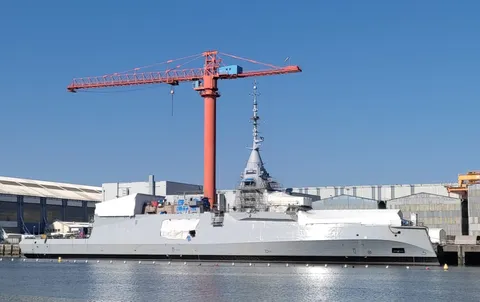
Naval Group
Amiral Ronarc'h-class Frigate (FDI)
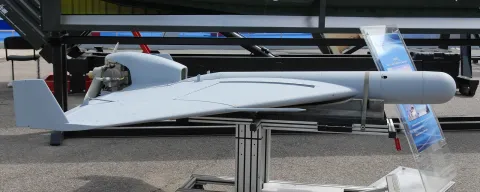
Israel Aerospace Industries
Harpy
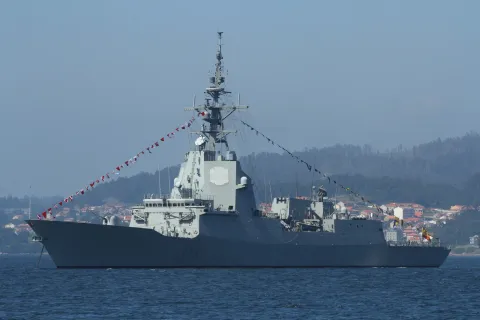
Navantia
Alvaro de Bazan class (F100)
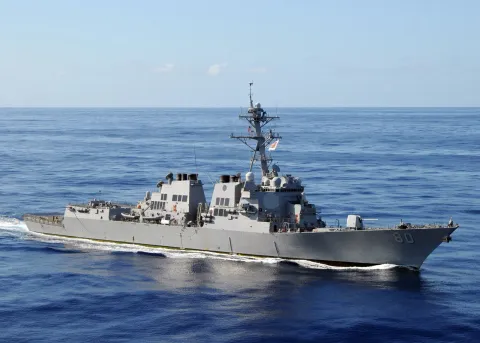
Huntington Ingalls Industries
Arleigh Burke-class Destroyer
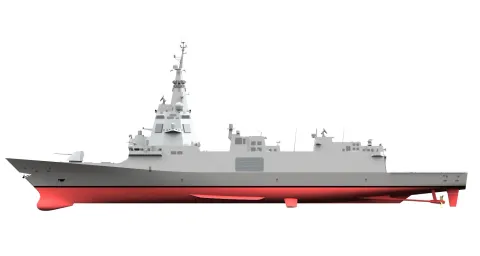
Navantia
Bonifaz class (F110)
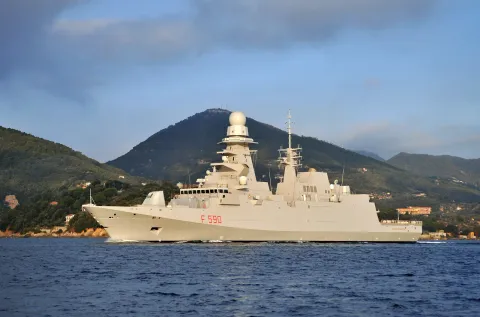
Fincantieri
Bergamini class (FREMM)
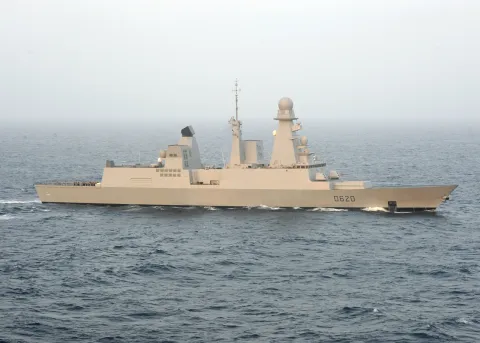
Fincantieri
Andrea Doria class (Horizon)
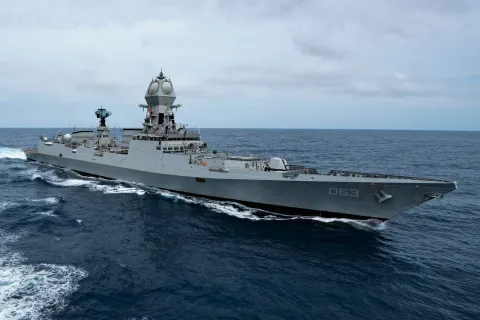
Mazagon Dock Shipbuilders Limited
Kolkata class
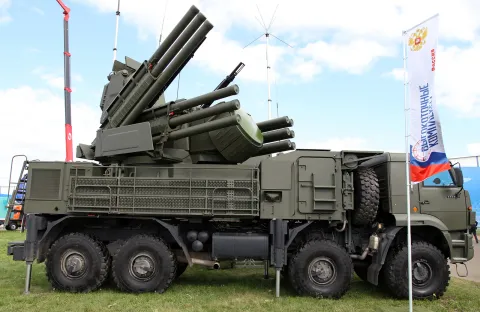
KBP Instrument Design Bureau
Pantsir-S1
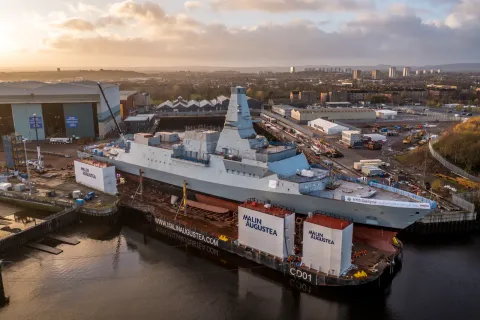
BAE Systems
Type 26 City
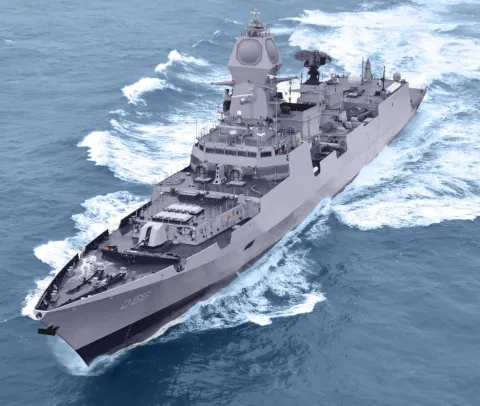
Mazagon Dock Shipbuilders Limited
Visakhapatnam class
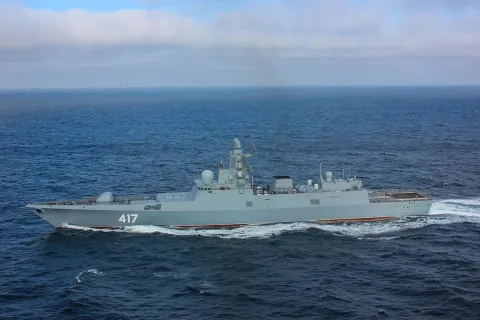
United Shipbuilding Corporation
Admiral Gorshkov-class
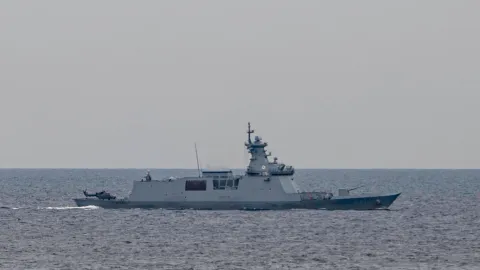
Hanwha Ocean (formerly Daewoo Shipbuilding & Marine Engineering)
Daegu-class frigate
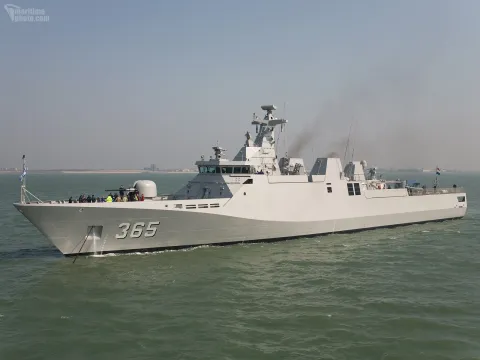
Damen Naval
SIGMA 10514
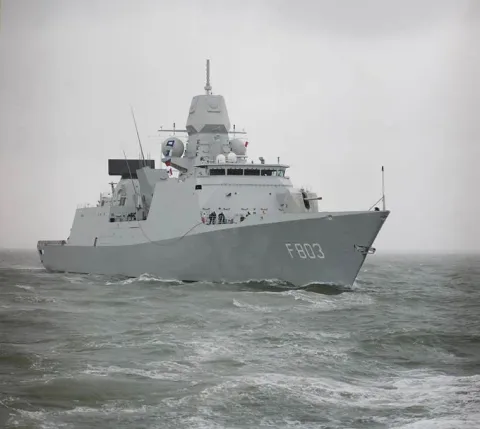
Damen Naval
De Zeven Provincien class
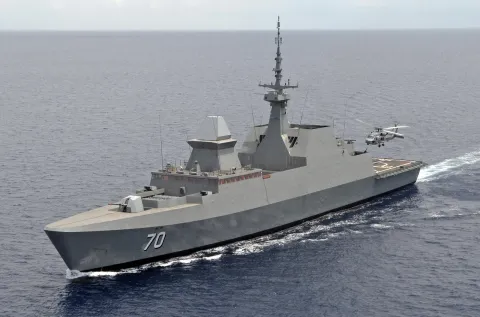
ST Engineering Land Systems
Formidable-class
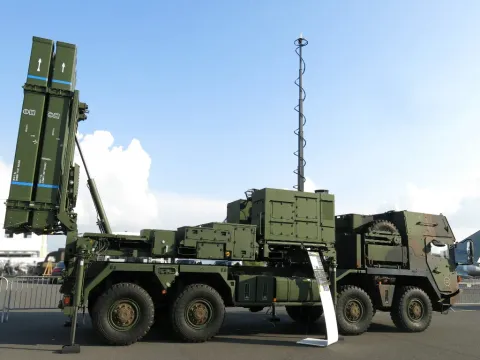
Diehl Defence
IRIS-T SLM
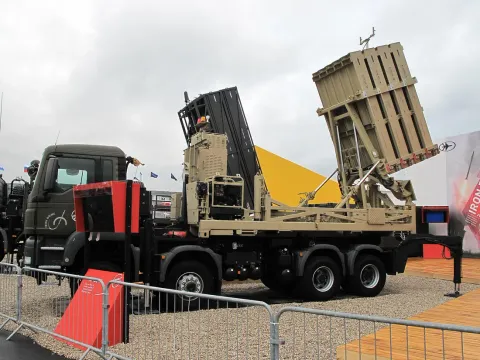
Rafael Advanced Defense Systems
Iron Dome
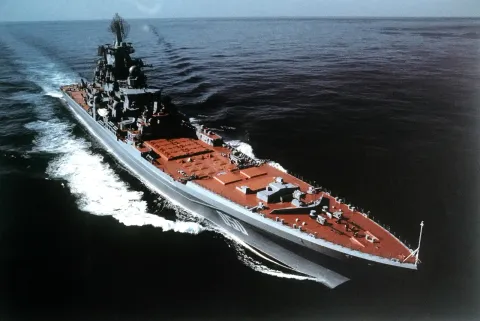
United Shipbuilding Corporation
Kirov-class
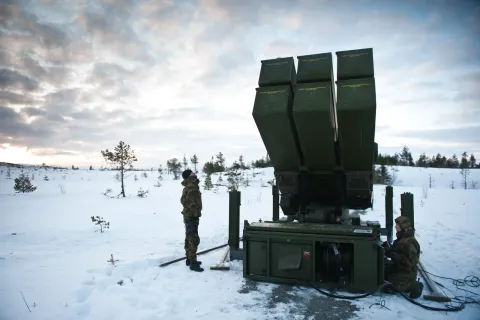
Kongsberg Defence & Aerospace
NASAMS
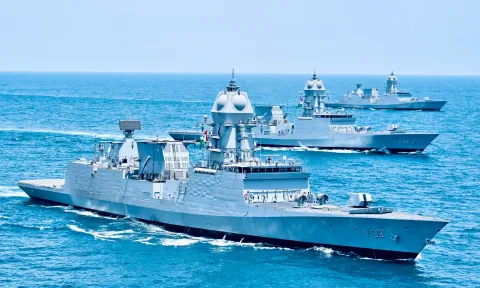
Mazagon Dock Shipbuilders Limited
Nilgiri class
KBP Instrument Design Bureau
Pantsir-SM
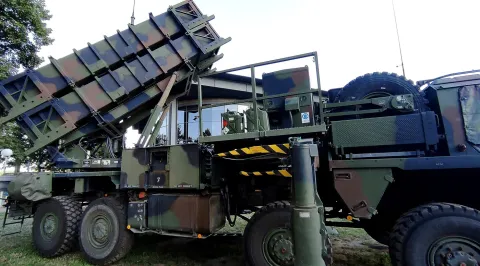
Raytheon (RTX)
Patriot PAC-3
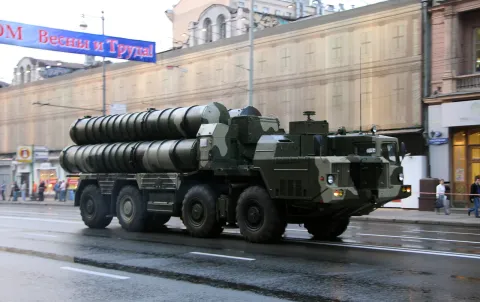
Almaz-Antey
S-300PMU2 Favorit

Almaz-Antey
S-400 Triumf

MBDA
SAMP/T (Aster 30)
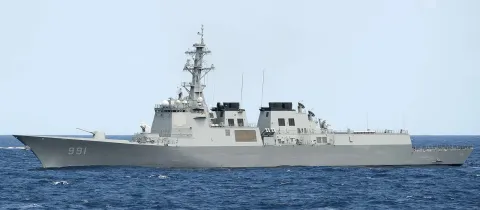
HD Hyundai Heavy Industries
Sejong the Great-class destroyer
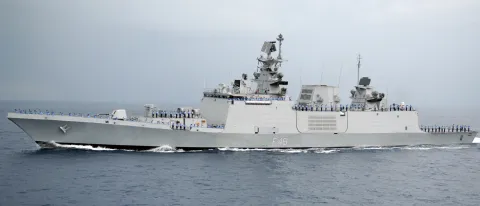
Mazagon Dock Shipbuilders Limited
Shivalik class
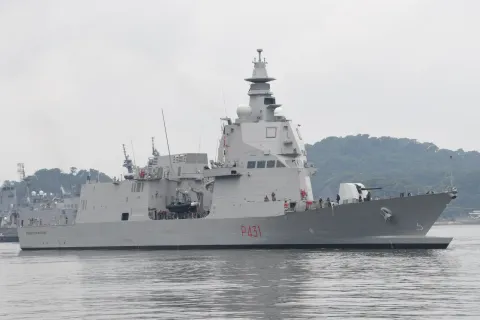
Fincantieri
Thaon di Revel class (PPA)
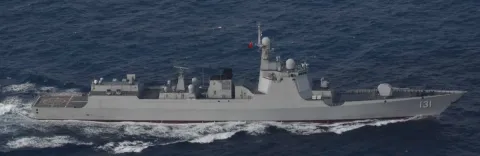
China State Shipbuilding Corporation (CSSC)
Type 052D
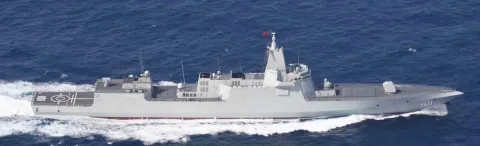
China State Shipbuilding Corporation (CSSC)
Type 055
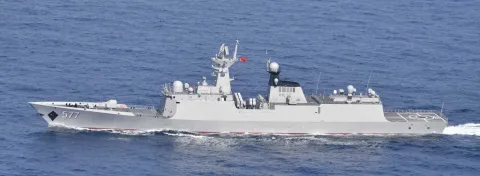
China State Shipbuilding Corporation (CSSC)
Type 054A
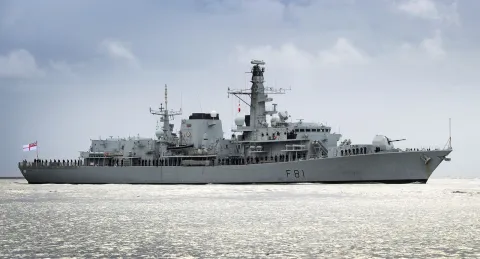
BAE Systems
Type 23 Duke

Babcock International Group
Type 31 Inspiration
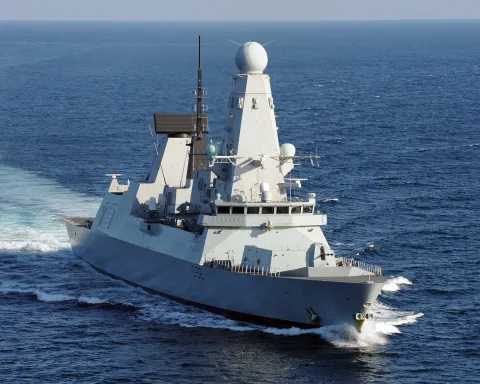
BAE Systems
Type 45 Daring
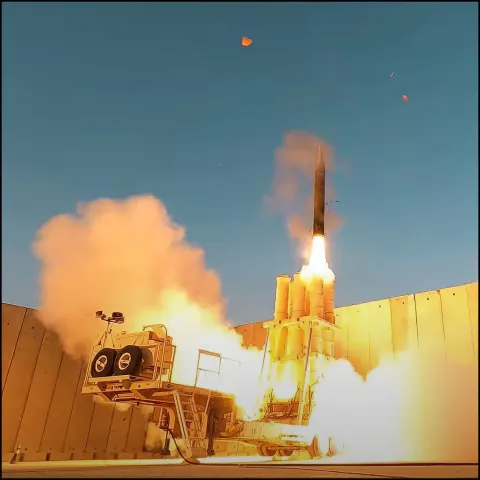
Israel Aerospace Industries
Arrow 2
Israel Aerospace Industries
Arrow 3
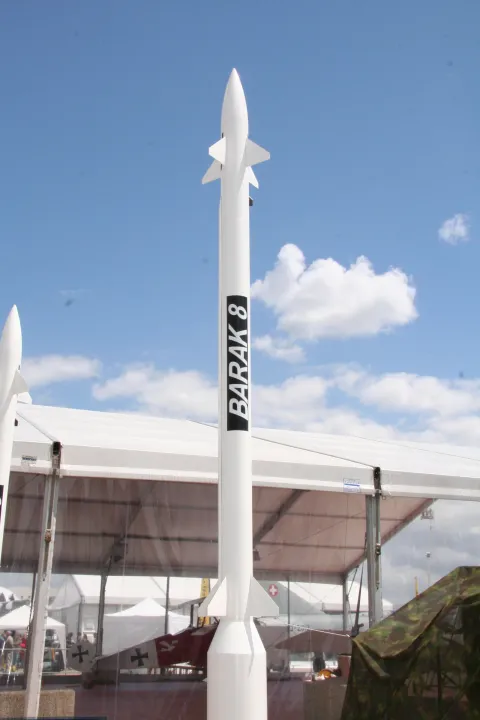
Israel Aerospace Industries
Barak 8
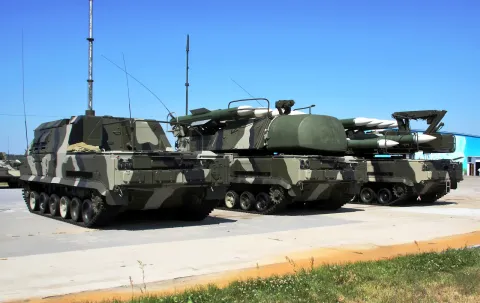
Almaz-Antey
Buk-M2
Almaz-Antey
Buk-M3
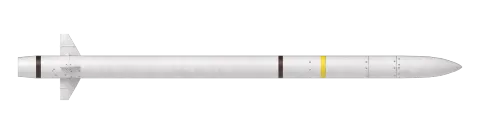
MBDA
Land Ceptor (CAMM)
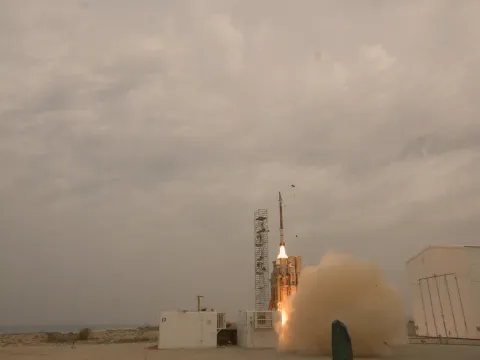
Rafael Advanced Defense Systems
David's Sling
Naval Group
FREMM (Aquitaine class)
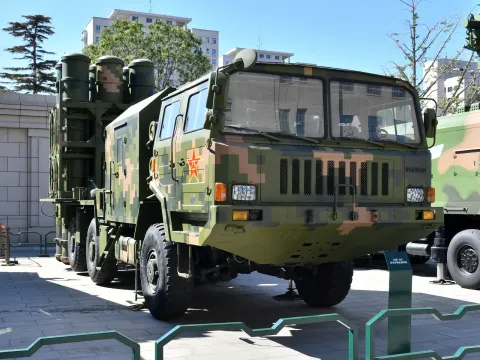
China Aerospace Science and Industry Corporation
HQ-16
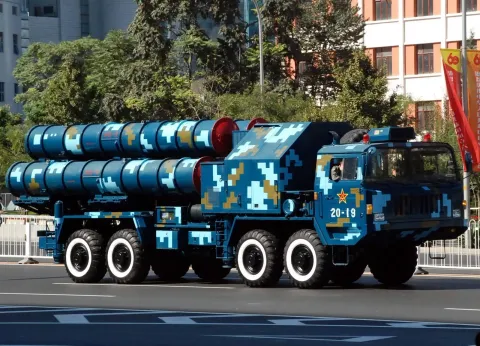
China Aerospace Science and Industry Corporation
HQ-9
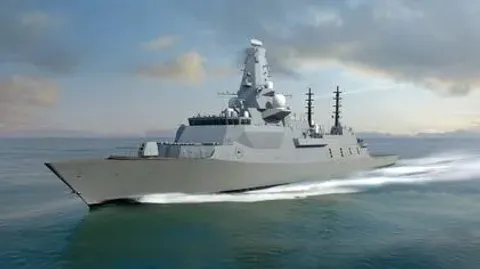
BAE Systems Australia
Hunter-class
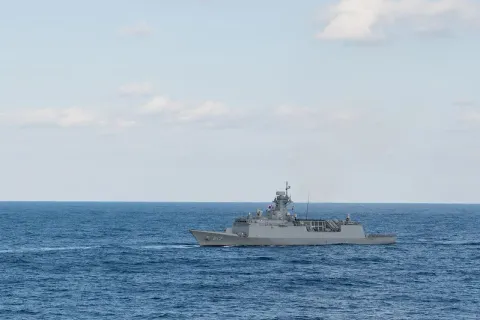
HD Hyundai Heavy Industries
Incheon-class Frigate
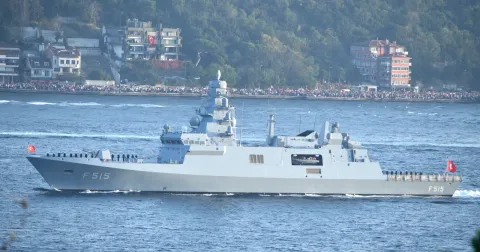
STM (Savunma Teknolojileri Mühendislik)
Istif-class
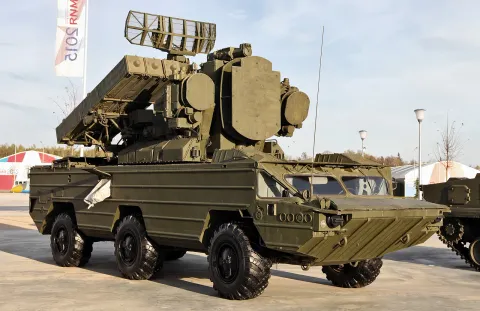
Almaz-Antey
9K33 Osa
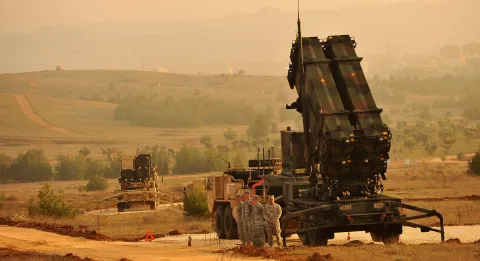
Raytheon (RTX)
Patriot PAC-2
Raytheon (RTX)
Patriot GEM-T
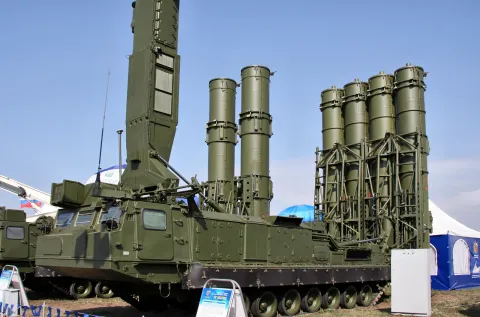
Almaz-Antey
S-300V4
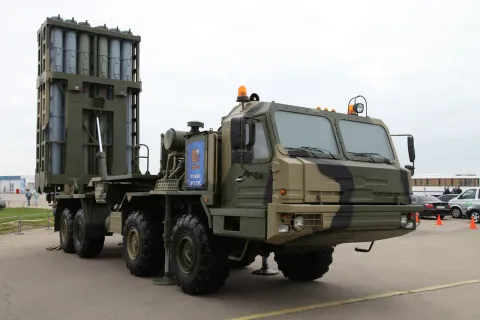
Almaz-Antey
S-350 Vityaz
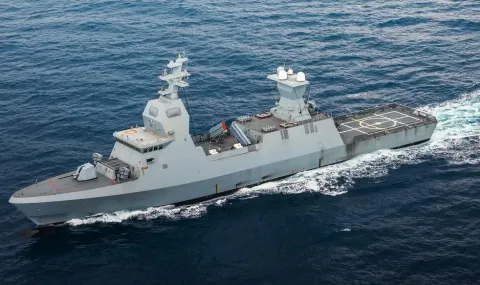
Israel Shipyards
Sa'ar 6
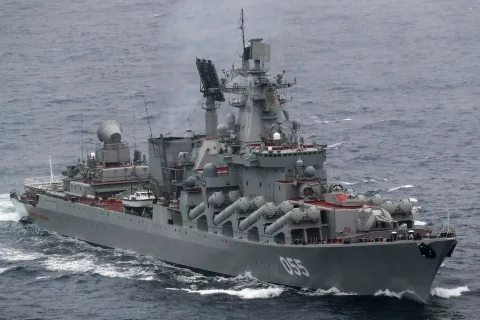
United Shipbuilding Corporation
Slava-class
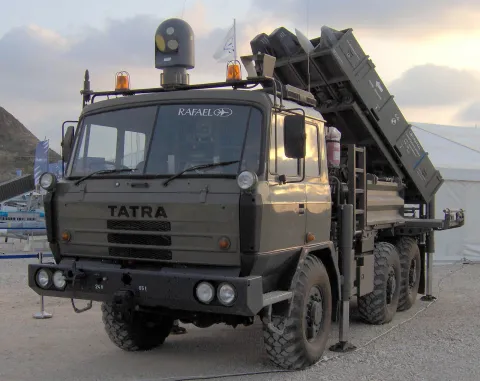
Rafael Advanced Defense Systems
SPYDER
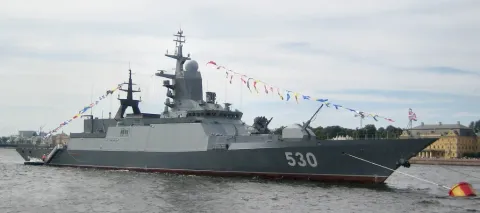
United Shipbuilding Corporation
Steregushchiy-class
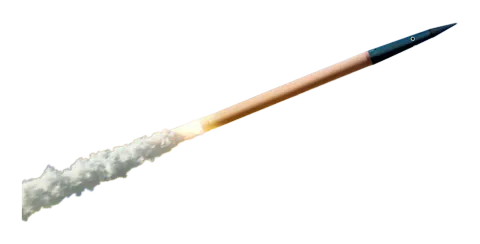
Lockheed Martin
THAAD
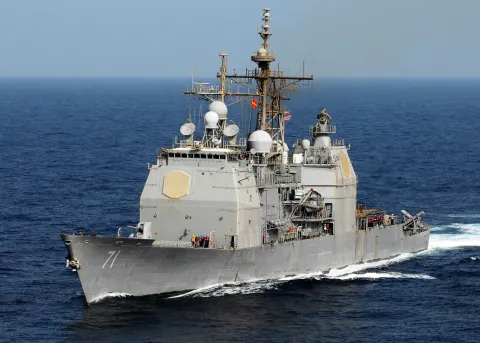
Huntington Ingalls Industries
Ticonderoga-class Cruiser
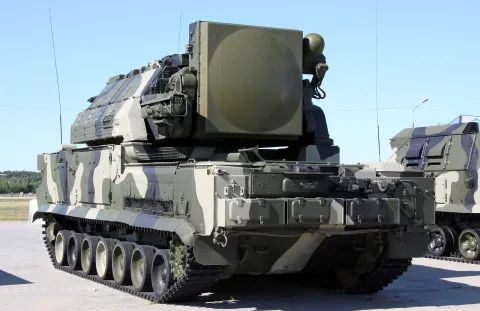
Almaz-Antey
Tor-M2
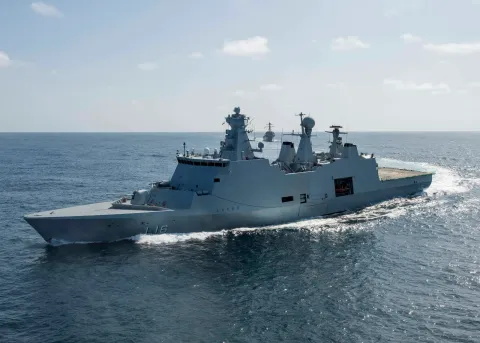
Odense Steel Shipyard
Absalon-class
Naval Group
Horizon class
Diehl Defence
IRIS-T SLS
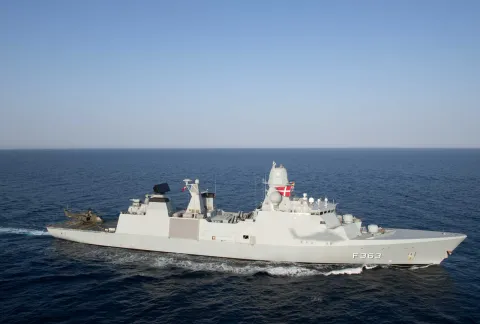
Odense Steel Shipyard
Iver Huitfeldt-class
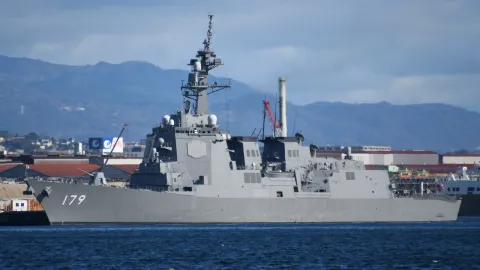
Japan Marine United Corporation (JMU)
Maya-class
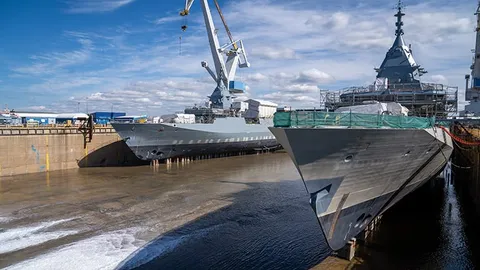
Rauma Marine Constructions
Pohjanmaa-class (Squadron 2020)
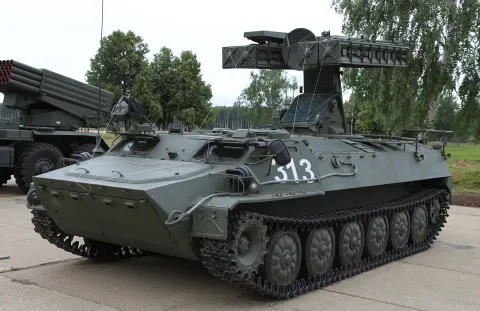
KBM (Kolomna Machine-Building Design Bureau)
9K35 Strela-10
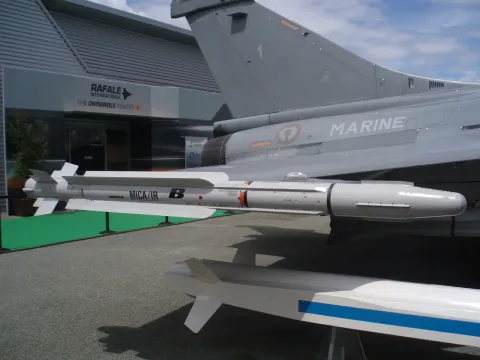
MBDA
VL MICA
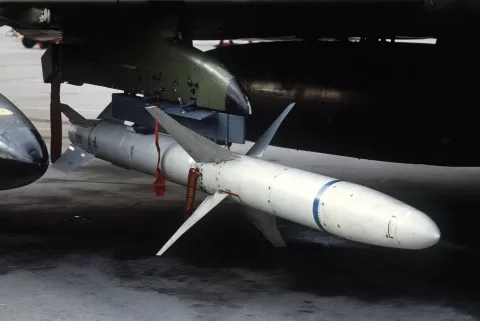
Raytheon (RTX)
AGM-88 HARM
MBDA
Aster 30 Block 1NT
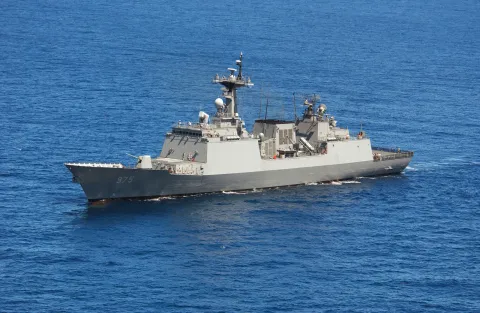
HD Hyundai Heavy Industries
Chungmugong Yi Sun-sin-class destroyer
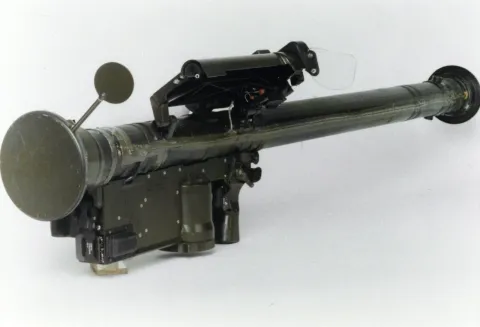
Raytheon (RTX)
FIM-92 Stinger
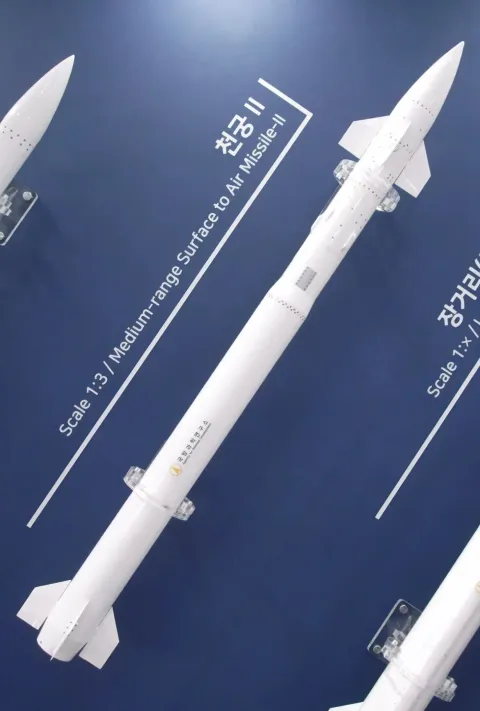
LIG Nex1
Cheongung II (KM-SAM Block II)
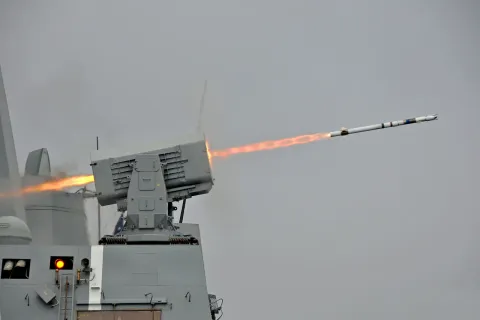
Raytheon (RTX)
RIM-116 RAM
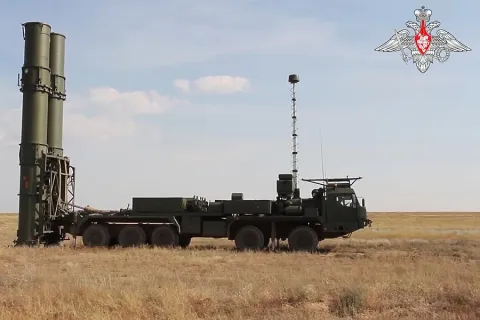
Almaz-Antey
S-500 Prometheus
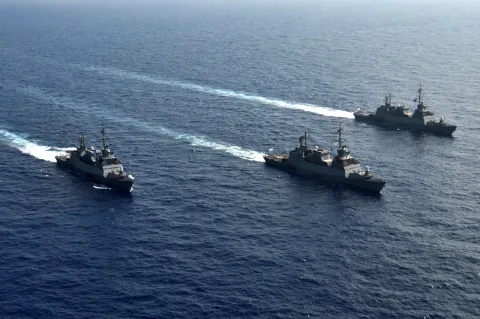
Israel Shipyards
Sa'ar 5
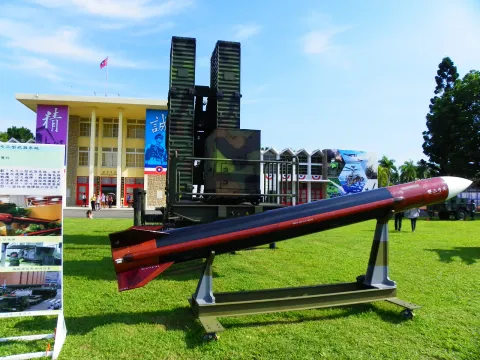
National Chung-Shan Institute of Science and Technology
Sky Bow III
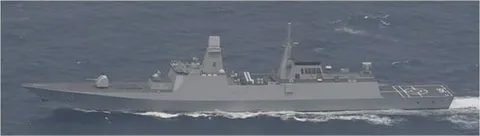
China State Shipbuilding Corporation (CSSC)
Type 054B
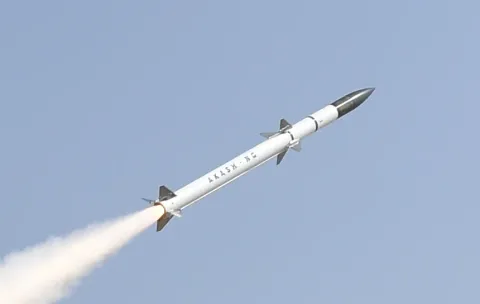
Defence Research and Development Organisation
Akash-NG
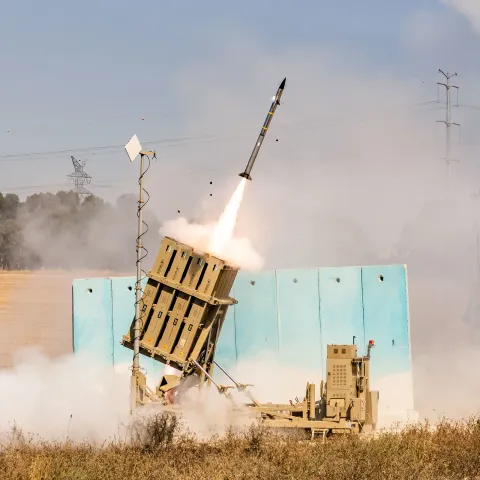
Rafael Advanced Defense Systems
C-Dome
General Dynamics Land Systems
GDLS TRX
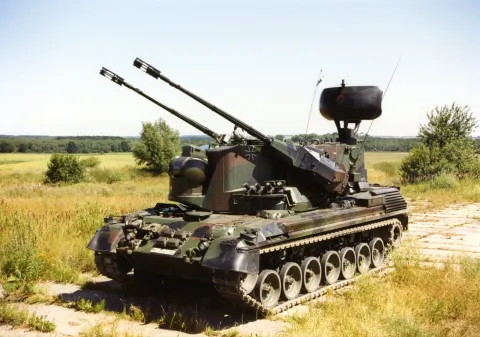
KNDS
Gepard
HAVELSAN
HAVELSAN Kapgan
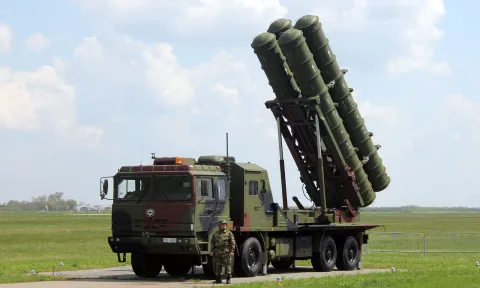
China Aerospace Science and Industry Corporation
HQ-22
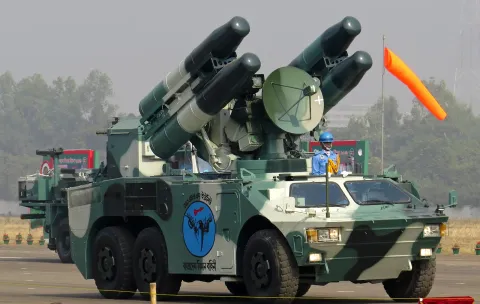
China Aerospace Science and Industry Corporation
HQ-7
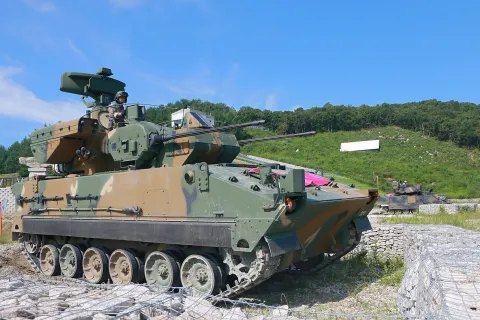
Hanwha Aerospace
K30 Biho
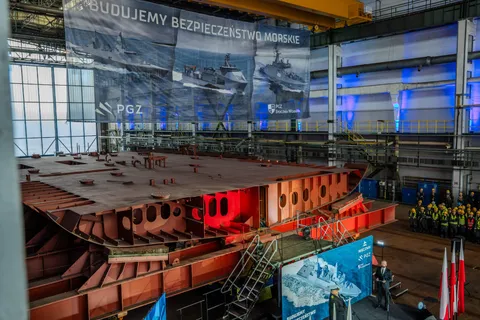
Polska Grupa Zbrojeniowa
Miecznik
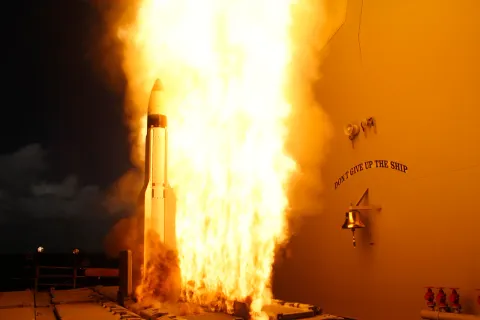
Raytheon (RTX)
SM-3 Block IIA
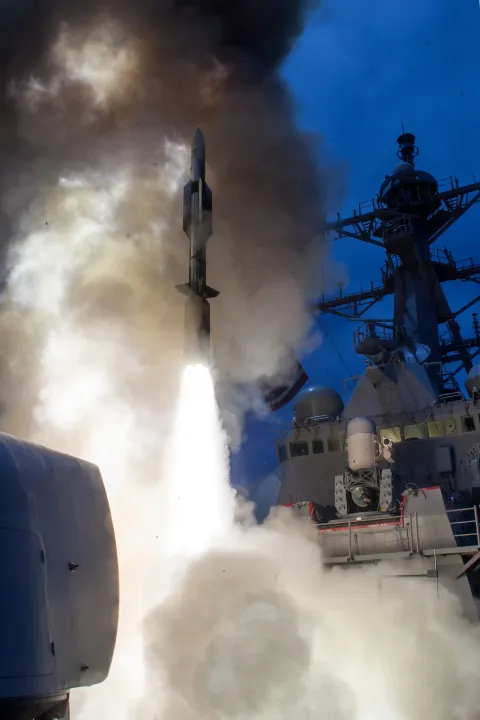
Raytheon (RTX)
SM-6
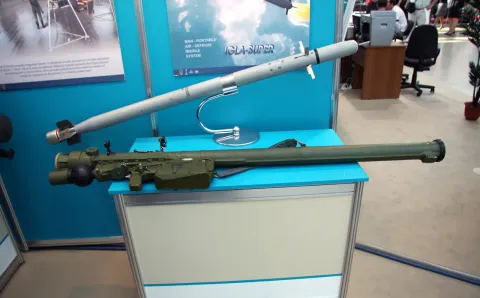
KBM (Kolomna Machine-Building Design Bureau)
9K38 Igla
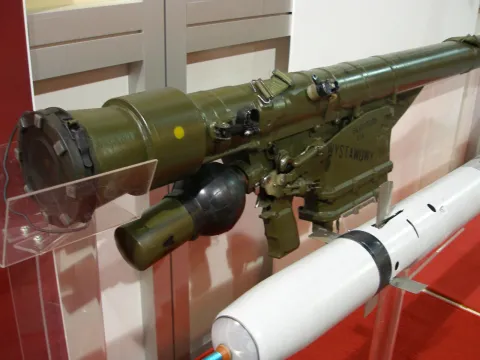
Polska Grupa Zbrojeniowa
Grom
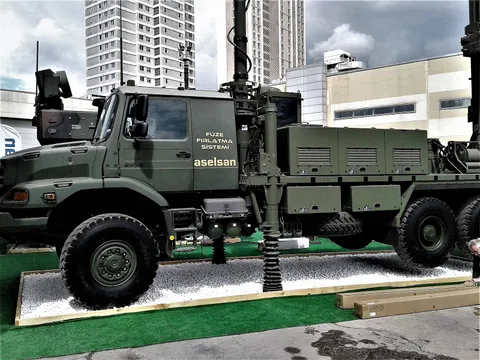
Aselsan
HISAR-O
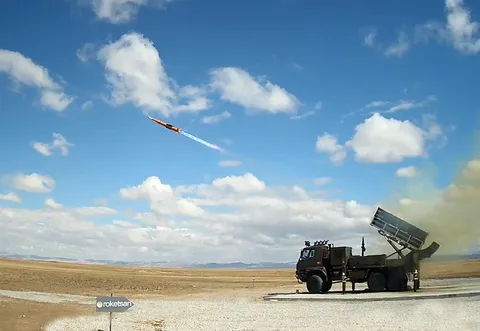
Aselsan
HISAR-A+
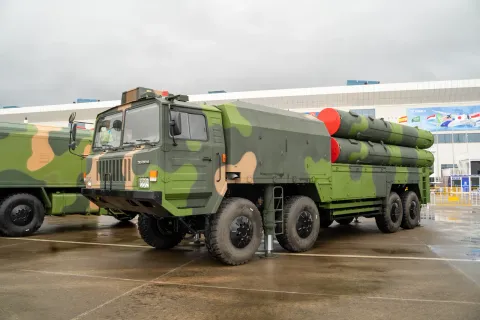
China Aerospace Science and Industry Corporation
HQ-19
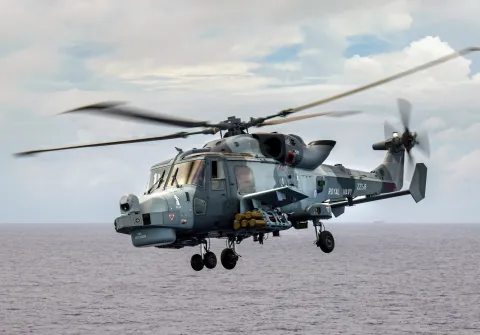
Thales Group
Martlet (LMM)

MBDA
Mistral 3
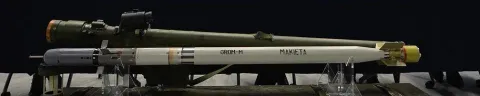
Polska Grupa Zbrojeniowa
Piorun

MBDA
Sea Viper (Aster 30)
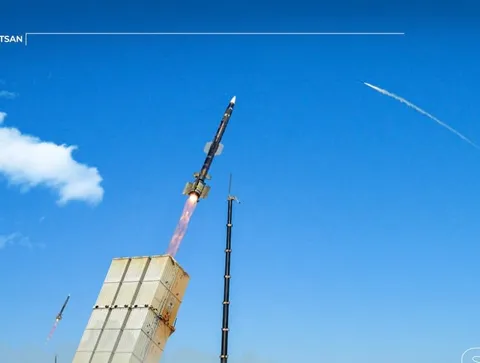
Aselsan
SİPER
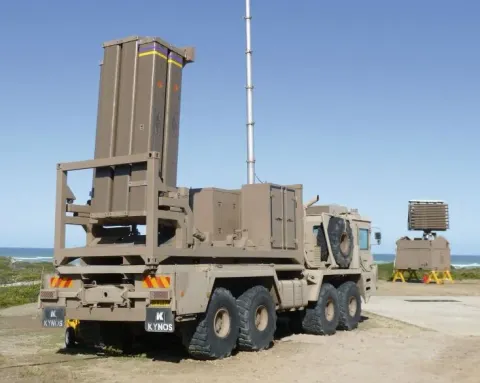
Denel Aviation
Umkhonto
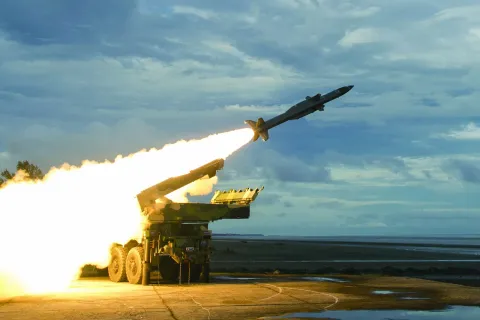
Bharat Dynamics Limited
Akash
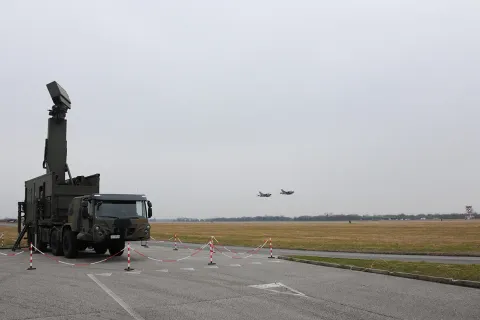
MBDA
CAMM-ER
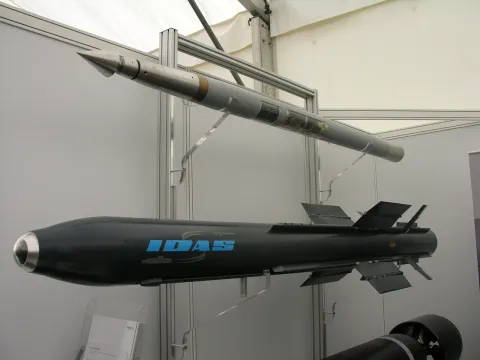
Diehl Defence
IDAS
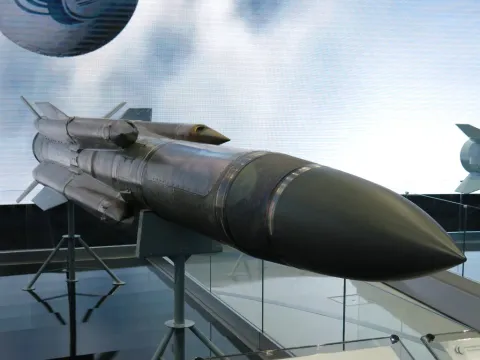
Tactical Missiles Corporation (KTRV)
Kh-31
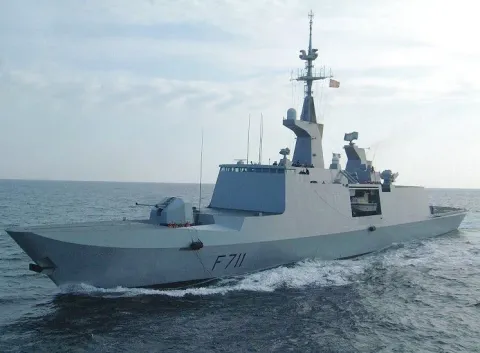
Naval Group
La Fayette class
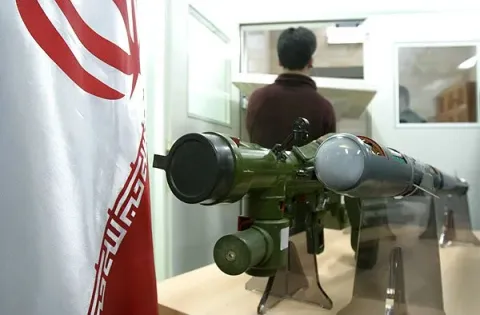
Iran Electronics Industries
Misagh-2
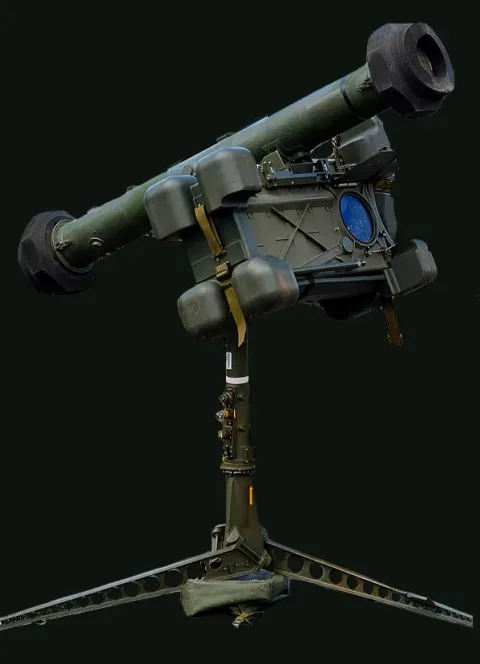
Saab AB
RBS 70
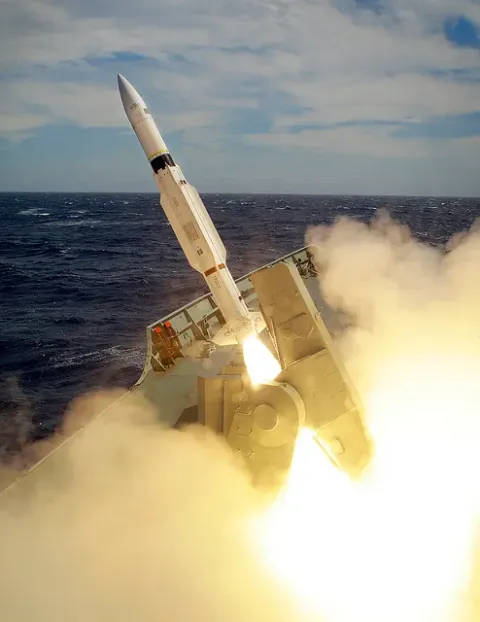
Raytheon (RTX)
SM-2 (Standard Missile-2)
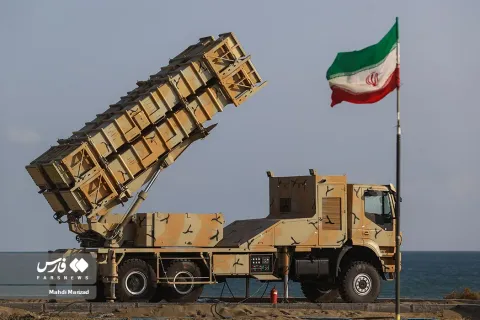
Iran Aerospace Industries Organization
15th Khordad
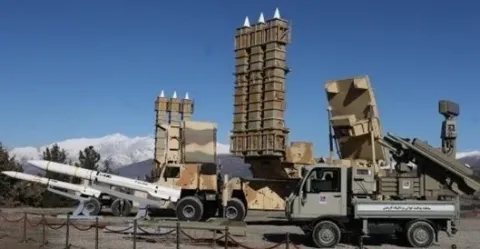
Iran Aerospace Industries Organization
Arman
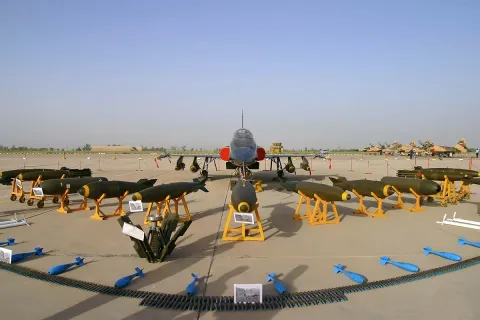
Iran Aerospace Industries Organization
Azarakhsh
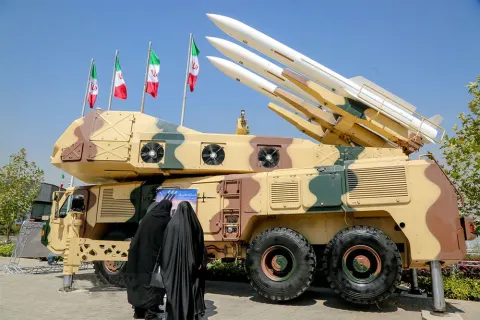
Iran Aerospace Industries Organization
Khordad-3
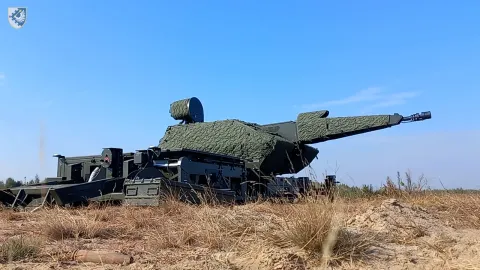
Rheinmetall
Skynex
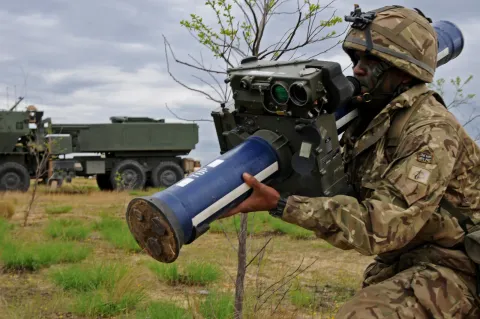
Thales Group
Starstreak
AM General
AM General Unmanned Ground Vehicle (RIwP demonstrator)
Israel Aerospace Industries
Barak LR
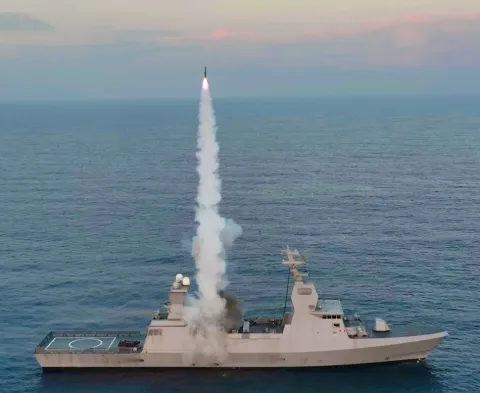
Israel Aerospace Industries
Barak MX
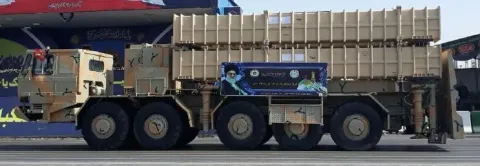
Iran Aerospace Industries Organization
Bavar-373
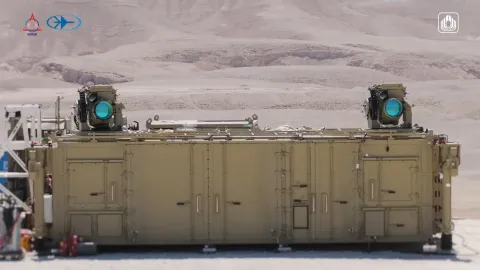
Rafael Advanced Defense Systems
Iron Beam
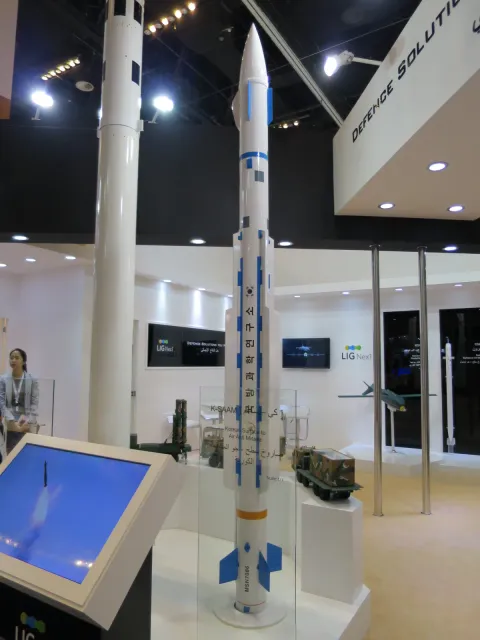
LIG Nex1
K-SAAM (Haegung)
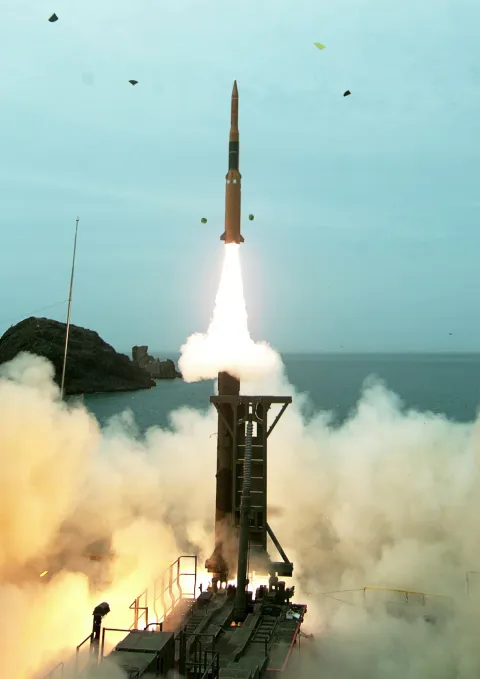
LIG Nex1
L-SAM
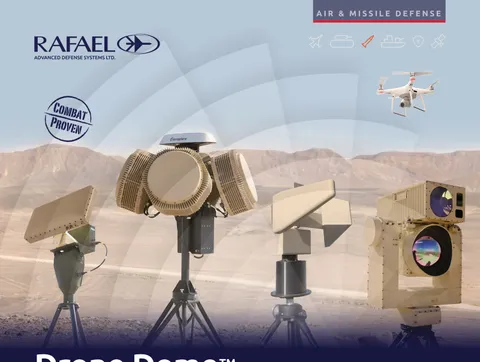
Rafael Advanced Defense Systems
Drone Dome
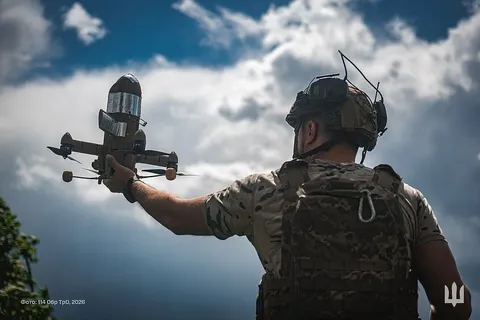
Wild Hornets
STING
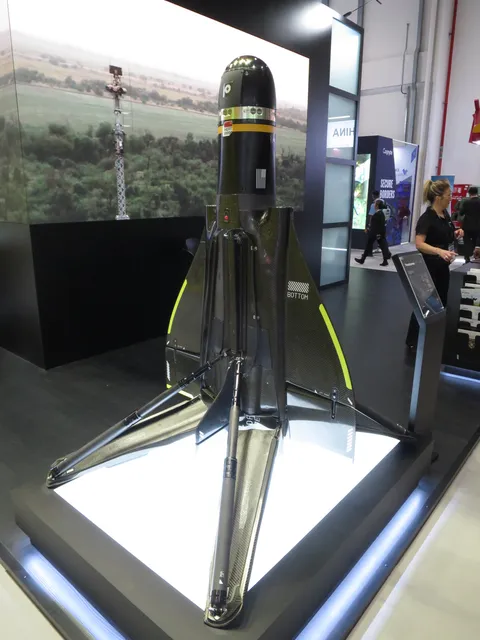
Anduril Industries
Roadrunner-M
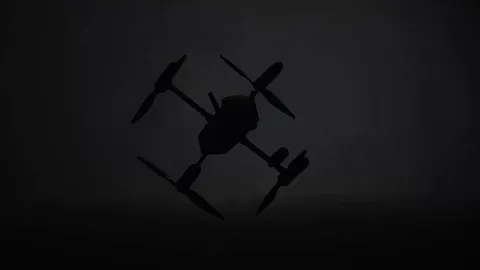
Anduril Industries
Anvil
Israel Aerospace Industries
Arrow 4
DroneShield Ltd
DroneSentry
Fire Point
Freya
L3Harris Technologies
VAMPIRE
Leonardo DRS, Inc.
M-LIDS
Northrop Grumman
Forward Area Air Defense Command and Control (FAAD C2)
HENSOLDT AG
TRML-4D
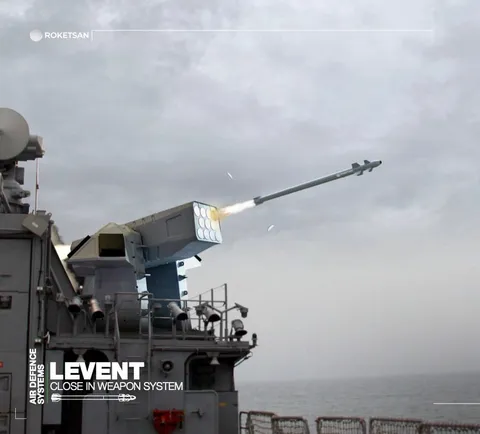
Roketsan
Levent
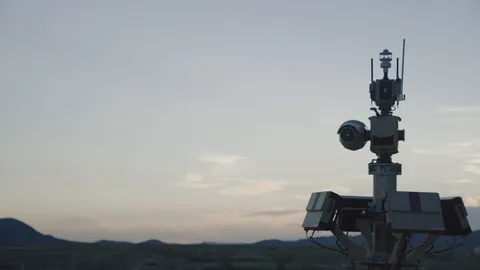
Anduril Industries
Spyglass
Epirus, Inc.
Leonidas
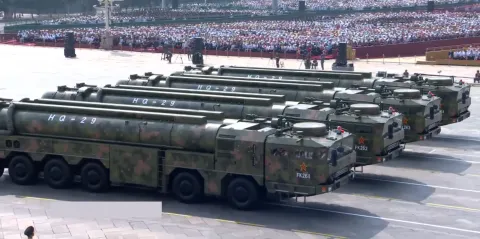
China Aerospace Science and Industry Corporation
HQ-29
Indra Sistemas
Lanza-3D
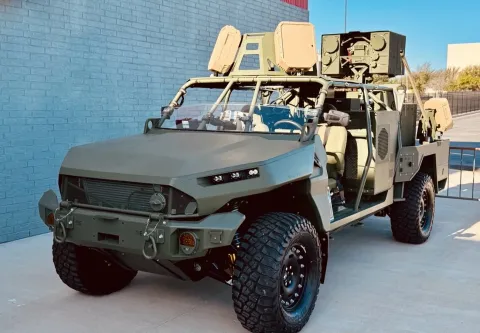
AeroVironment
LOCUST Laser Weapon System
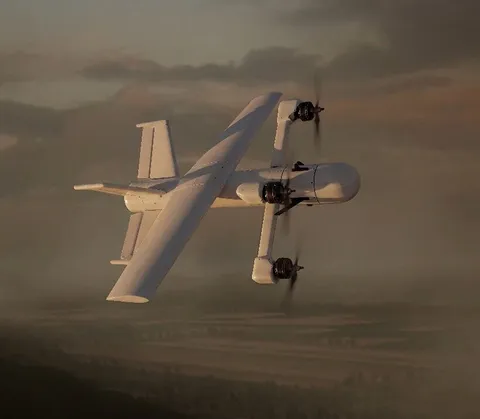
Lockheed Martin
MORFIUS X-Rotor
Frequently asked questions
- What is the most important spec for air-defense systems today?
- Simultaneous-target capacity is increasingly decisive. Modern threats include drone swarms and missile salvos, and a system with a long engagement range but a low simultaneous-target count can still be saturated and overwhelmed.
- How is engagement range different from radar range?
- Radar range is how far the system can detect a target; engagement range is how far it can actually intercept one. Detection with no matching intercept range just buys warning time, not a kill.